

Tesla Reveals Roadster With Thrusters and Three Versions
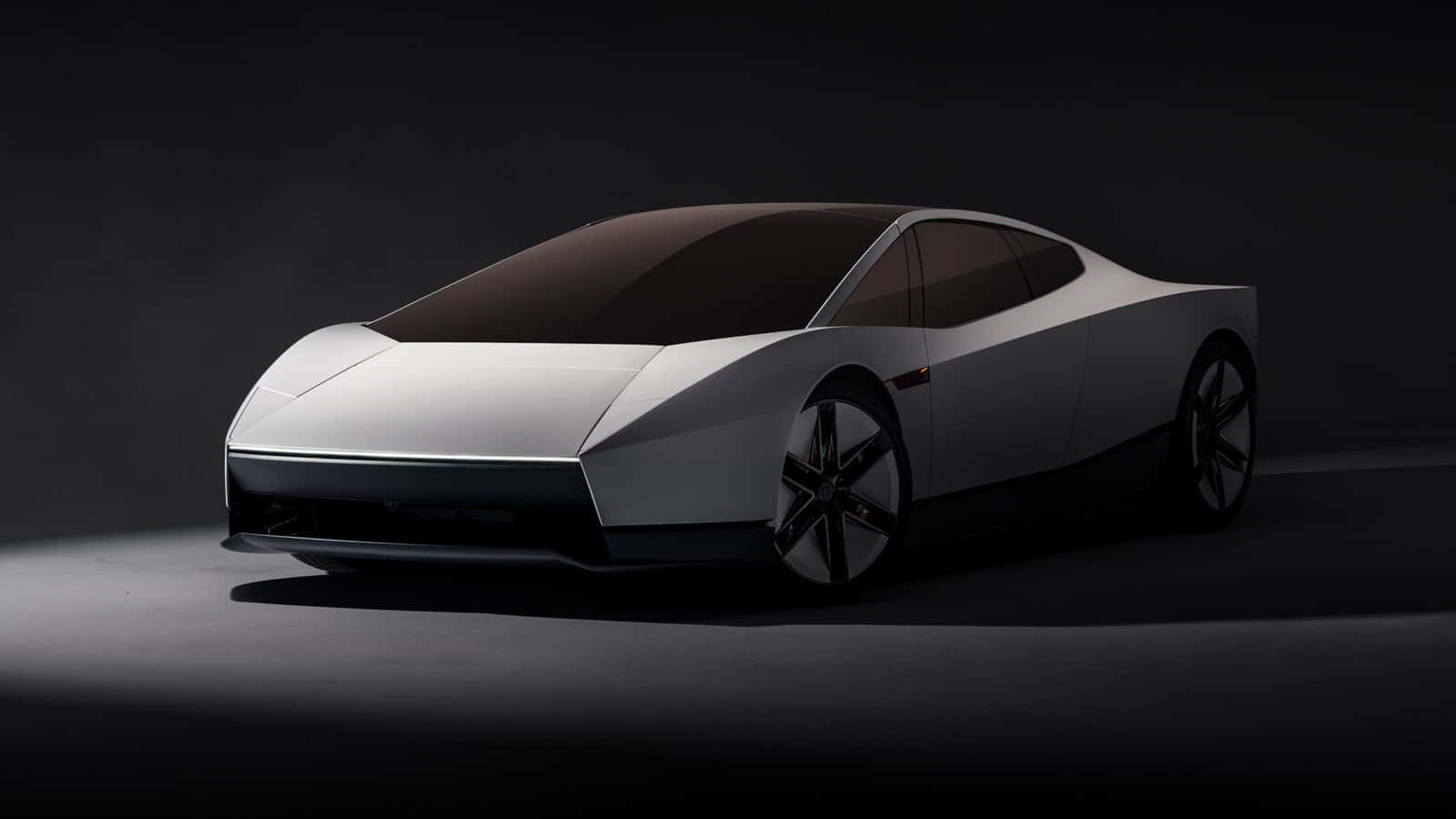
Tesla has presented a redesigned Roadster with a choice more unusual than wheels or paint: a two-seat Performance model, a thruster-assisted Thrust version and a single-seat Rocket configuration that the company says can fly. The announcement brings a new shape and new technical claims, while leaving important purchase and delivery questions open.
The October 15 reveal follows Tesla’s October 13 announcement of a Thursday Roadster event. Its updated product and U.S. reservation pages now distinguish the three configurations. Those pages provide a clearer guide to what Tesla is offering than older Roadster specifications still circulating online.
Three versions, with very different roles
On Tesla’s current Roadster page, Performance is described as the road-ready, two-seat configuration with active aerodynamics and a multi-mode suction system. Thrust also seats two, adding rear cold-gas thrusters and a company claim of acceleration from zero to 60 mph in under one second.
Rocket takes the concept further. Tesla describes a one-seat, invitation-only configuration with thrusters around the vehicle for upward, forward and rotational movement. The company says it can fly, but the Rocket section also carries a significant qualification: it is not approved for public road use. Tesla notes that Rocket availability varies by region.
These are manufacturer descriptions and performance claims. They do not establish an independently measured acceleration result, flight capability or permission to operate a Rocket on public roads. The distinction between the road-focused Performance and the more specialized configurations matters more than treating every headline specification as standard equipment.
What the new design shows
Tesla’s newly released official gallery imagery shows a low, angular body with a narrow front light strip, a dark glass canopy and a sharply drawn nose. The image accompanying this article is manufacturer-supplied imagery of that design, rather than a photograph documenting a road test or a particular event demonstration.
The product page describes a fan and ground-sealing system that draws air from beneath the vehicle to create downforce. Tesla also lists active wings and steer-by-wire. Its broad feature disclaimer says the displayed features and specifications reflect the optional Thrust augment, an important reason to check the selected configuration rather than assume the entire presentation applies to every reservation.
Reservation payments are not a vehicle price
The U.S. reservation selector, checked on October 15, shows $5,000 due immediately for Performance and another $45,000 due within ten days. Selecting Thrust changes the second payment to $245,000, while the immediate payment remains $5,000. That produces reservation payment schedules totaling $50,000 and $250,000 respectively.
The selector labels these as reservation payments; it does not present them as the final purchase price. It also says a reservation is not final until payment is received and is subject to cancellation if payment is not completed within ten days. Thrust is limited to one order per customer. Rocket appears as an invitation-only option that cannot be selected in the public U.S. reservation form reviewed for this report.
A reservation, an order configuration and a delivered vehicle are separate milestones. The amount requested to hold a place does not by itself tell a buyer the eventual balance, delivery date or equipment that will be supplied. Prospective customers should read the current agreement linked beside the payment controls and preserve the configuration and terms they actually select.
The questions still to be answered
The product and reservation pages reviewed for this article did not state a final retail price, production start, customer delivery date or EPA-rated driving range. They also did not supply an independent test supporting the under-one-second acceleration claim. Those omissions limit a conventional comparison with vehicles a shopper can price, insure and take delivery of today.
For now, the meaningful news is the newly presented design and the separation of Roadster into three very different configurations. The next useful evidence will be configuration-specific specifications, purchase pricing, delivery commitments and independently documented performance. Until then, Tesla’s most dramatic claims should retain both their attribution and the limits stated alongside them.
Roadster technology explained
For a closer look at the engineering, read how Roadster fan downforce works at low speed and how Rocket thrusters relate to Tesla’s flight claim.
0 comment(s) so far on Tesla Reveals Roadster With Thrusters and Three Versions