

EV Preconditioning: Prepare for Cold Drives and Fast Charging
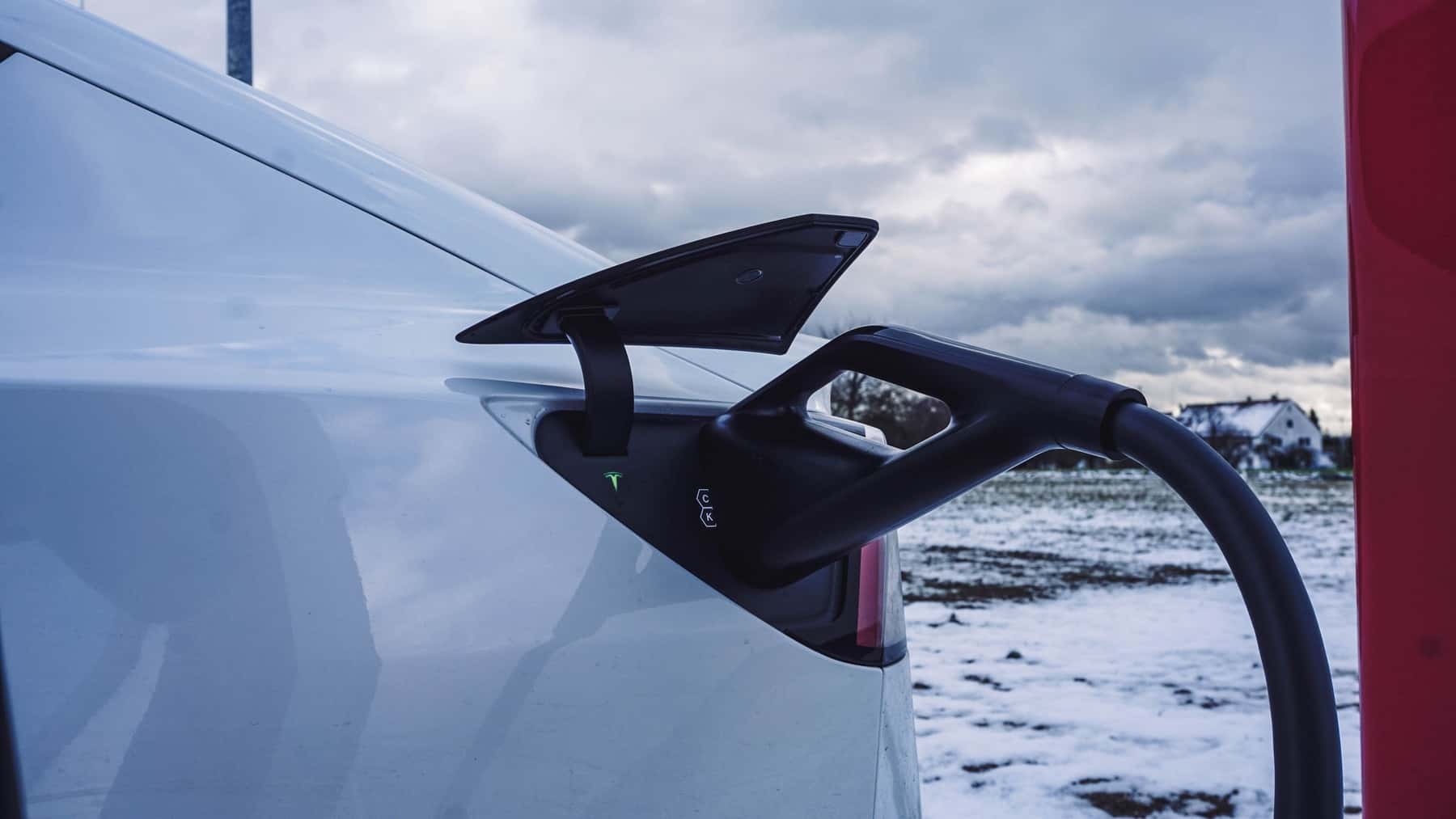
When an electric vehicle reaches a DC fast charger with a cold battery, the car may limit charging power while the pack warms. Warming the cabin before leaving can make a winter drive more comfortable, but that setting does not always prepare the battery for a charging stop. For EV owners, it helps to distinguish a scheduled departure from battery conditioning triggered by the vehicle’s navigation.
Cabin preparation and battery conditioning
Departure preconditioning gets the vehicle ready for a planned start, commonly by warming the cabin and, on some models, the battery. The U.S. Department of Energy says many EVs can heat the cabin and battery before driving, and recommends doing so while the car is still connected to charging when possible. That can draw energy from the electrical supply instead of using as much stored energy for warm-up after departure. The exact functions and controls vary by model.
Battery temperature can also affect DC charging. A cold-soaked pack may accept power more slowly until the thermal system brings it into a suitable range. That is why a scheduled morning warm-up and a road-trip fast-charge stop should not be treated as the same feature. Check whether the vehicle’s instructions describe the battery as ready for departure, ready for charging, or both.
Fast-charger preparation may use navigation
Some EVs begin battery conditioning when a fast charger is selected in the vehicle’s navigation. The U.S. Tesla Model S manual, for example, tells drivers to navigate to a fast charger to allow battery preconditioning. This is a model-specific example, not a rule for every EV or every charging location. Entering a charger as a general address or using a phone map may not activate the vehicle’s own preparation routine.
On a short winter drive, the battery may have little time to warm before arrival, but no universal timer or charging-speed improvement can be promised. Battery temperature, state of charge, charger output and the vehicle’s system all affect charging. Follow the car’s display and manual for the particular model and software version.
A scheduled departure is another use
The U.S. Tesla Model Y manual describes scheduling Precondition for a chosen departure time; it says the feature prepares cabin climate and the battery by that time. It also notes that the system can operate while the vehicle is not plugged in, provided it is not in Low Power Mode. Those details belong to the Model Y’s documented behavior and should not be assumed for other makes.
The DOE winter guide recommends warming an EV while it remains plugged in when possible. That general advice is useful for a cold departure, but it does not establish that every car uses a cabin warm-up to ready its battery for a later DC session. Read the owner’s manual to find the difference between the departure schedule and any navigation-linked charging preparation.
What to check before a winter trip
Before setting off, use the vehicle’s own route planner if its manual says charger navigation activates battery conditioning. Confirm that the intended station appears as a charging stop, then look for the car’s notification that preparation is underway. Check the manual for supported charger types and any model-year or software requirements. If the feature is unavailable or the route changes, plan for charging to take longer rather than relying on an assumed preconditioning schedule.
When the EV is parked at home, a plugged-in departure schedule can help prepare the cabin and, where supported, the battery before the drive. During a road trip, charger-directed conditioning is the more relevant feature for the upcoming fast-charge session. For background on why a charger’s advertised peak power does not equal a guaranteed charging time, see our guide to EV fast-charging time and peak kilowatts.
Preconditioning is a useful tool, not a fixed-time guarantee. Its behavior depends on the vehicle and the conditions. The owner’s manual and in-car prompts are the best guides to whether a particular EV is preparing its cabin for departure, its battery for a fast charger, or both.
0 comment(s) so far on EV Preconditioning: Prepare for Cold Drives and Fast Charging