

2026 Ram 2500 Recall Targets Loss of Stability Control
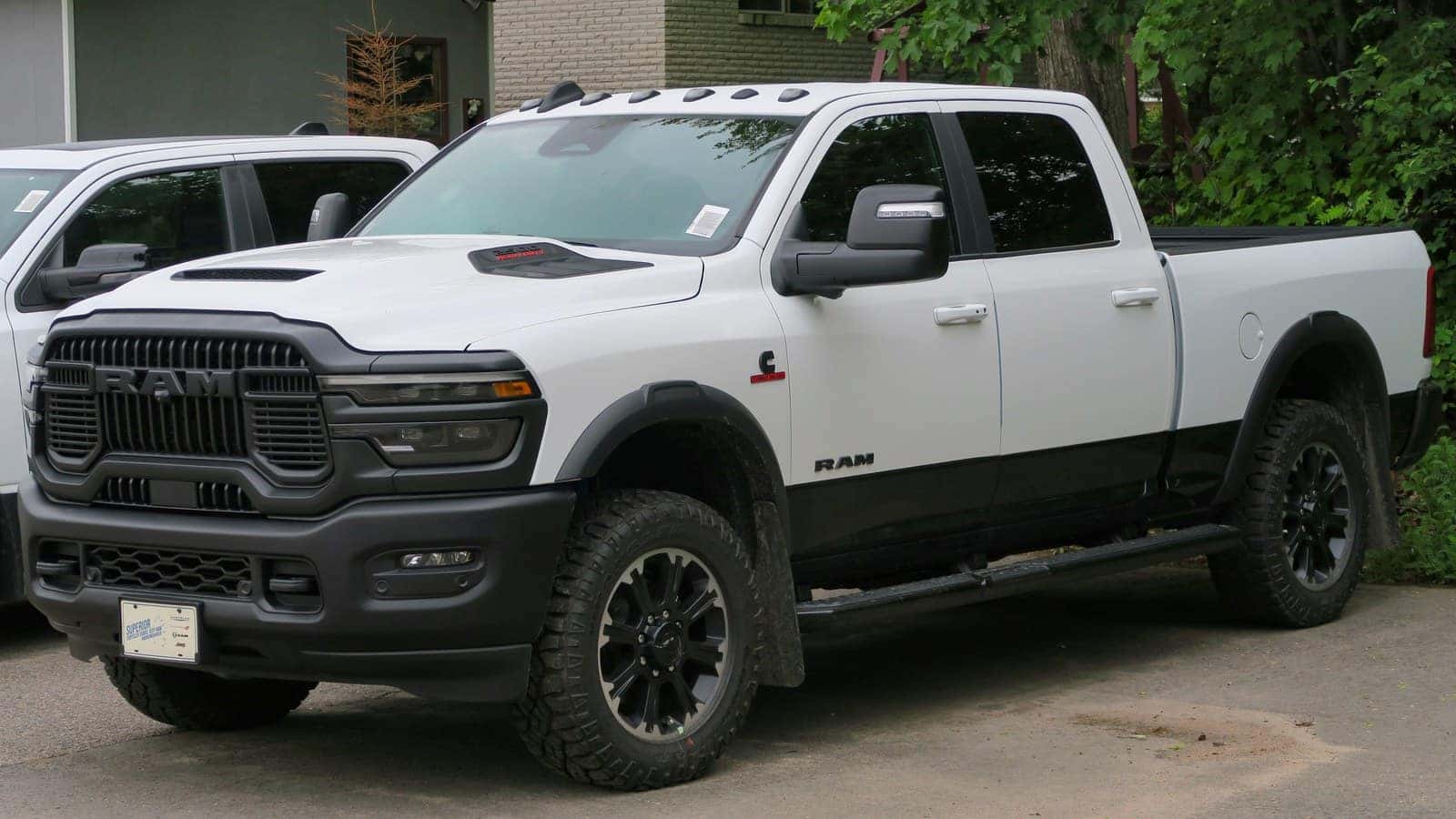

FCA US is recalling 8,329 model-year 2026 Ram 2500 pickups because a steering-column control module can develop an internal fault that disables electronic stability control. Dealers will replace the module at no charge, but an October 13 manufacturer notice says the remedy was not yet available and estimated the campaign would launch in the fourth quarter of 2026.
The NHTSA recall acknowledgment identifies the campaign as 26V651, also known as FCA recall 90D. Owner notification letters are expected to be mailed November 24. Owners can contact FCA customer service at 1-800-853-1403.
Which trucks need the new module?
| Model year and model | Production period | Potentially affected |
|---|---|---|
| 2026 Ram 2500 | September 13–November 15, 2025 | 8,329 |
According to FCA’s safety recall report, the production window corresponds to the period when suspect modules entered truck assembly. The company used warranty information and plant quality records to establish the range. Similar trucks built outside that period, repaired before leaving plant control or already repaired under an earlier campaign are excluded.
The report does not divide the affected population by engine, cab or trim. It identifies the Ram 2500, so the campaign should not be extended to Ram 3500 models simply because both belong to the heavy-duty lineup. A VIN check is needed to determine whether an individual truck is included.
The module fault can remove stability-control assistance when that assistance is needed. FCA says there is no warning before the failure; the ESC warning light illuminates after the module resets. The company determined on September 29 that the condition did not comply with the federal stability-control standard, then submitted the recall report October 6.
Why losing stability control matters
Electronic stability control helps a driver maintain control during a critical maneuver. It can use individual wheel braking to help keep a vehicle pointed where the driver intends. In its evaluation of the technology, NHTSA explains that its central benefit is reducing loss-of-control crashes, including rollovers. That is why losing the feature can create a safety problem even when a truck remains drivable.
NHTSA describes stability control as monitoring directional control and applying braking at one or more wheels, or reducing engine output, when it senses a loss of control. Drivers may not notice its normal intervention. Our stability-control warning guide explains the broader system context. The recall matters because the module fault can remove that assistance in the situation for which the system was designed.
FCA’s planned correction is a replacement steering-column control module with a new design. The October 13 advance communication to dealers makes the timing distinction clear: the company has announced the repair, but that announcement did not mean the remedy had launched. It says the affected VINs were already searchable.
For an owner, the useful next conversation is whether the specific VIN is included and whether the campaign repair can now be scheduled. A fourth-quarter estimate is not an appointment or confirmation that a replacement module is in stock. Referencing 90D helps the service department identify the correct campaign.
Check the VIN before assuming coverage
Mopar’s official recall lookup accepts a VIN and displays current recalls and service campaigns. Mopar says recall corrections are free even when a vehicle is out of warranty or the current driver is not the original owner. The VIN appears on the dashboard near the windshield and on vehicle registration or insurance documents.
Owners can also use NHTSA’s recall search. Its VIN results show unrepaired campaigns rather than a complete repair history. The model-year list establishes the campaign’s scope; the VIN result and dealer’s campaign record determine the next step for the truck in the driveway.
0 comment(s) so far on 2026 Ram 2500 Recall Targets Loss of Stability Control