

Windshield Replacement and ADAS Calibration: What Owners Should Ask
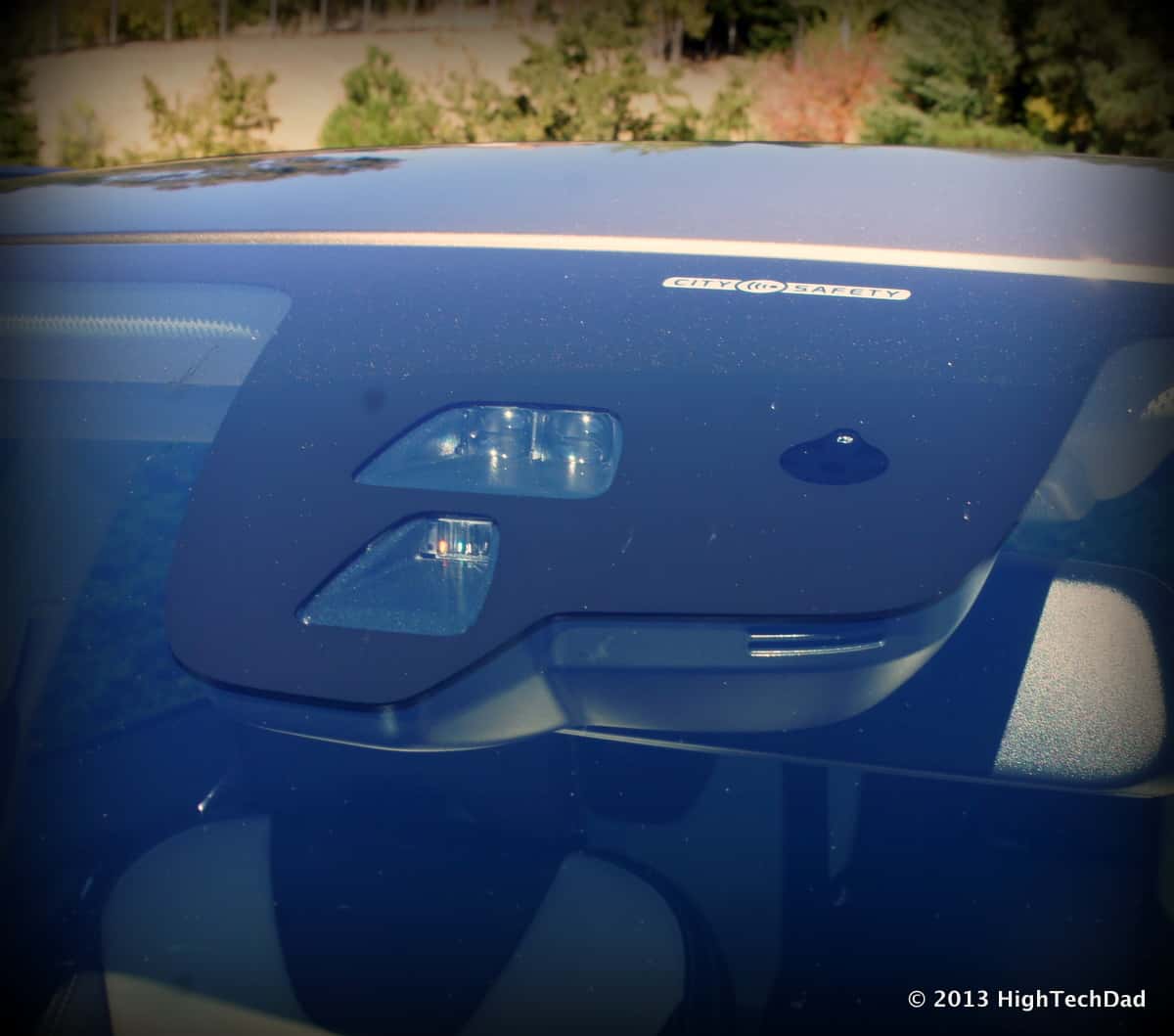

A windshield replacement can involve more than fitting new glass when a car uses a camera behind the rearview mirror. That camera may help provide lane and collision warnings or steering assistance. If glass, a camera bracket or sensor is disturbed, the vehicle maker may require a calibration procedure before those systems can work as designed.
Calibration is a service operation that aligns or verifies a sensor’s view against the vehicle. It is not a driver setting, and a dashboard without a warning light does not prove that no procedure was required. The exact requirements depend on the vehicle and the repair performed.
Why a small change near the windshield matters
Some driver-assistance systems use a forward-facing camera mounted behind the windshield. In a 2021 Honda Passport owner guide, for example, the camera behind the rearview mirror supports several Honda Sensing functions. The same guide warns that scratches or chips in its viewing area, repairs in that area, or replacement glass may affect operation and says the camera must be recalibrated after windshield replacement. That guidance is specific to the model and year covered by the guide, but it shows why a glass job can affect technology beyond visibility.
The glass and camera mount form part of the sensor’s sightline. A replacement windshield with a different camera mounting area, an incorrectly seated bracket, obstruction, or installation variation can alter the view. General Motors’ 2026 service bulletin for certain vehicles lists incorrect windshield glass or installation, bracket alignment and tint among potential contributors to camera performance or calibration concerns. That bulletin is model-specific; it is not a blanket rule that every aftermarket windshield is incompatible with every vehicle.
Ask what the vehicle maker requires for your repair
Calibration requirements are not identical across makes, models or repair situations. A camera might be removed and reinstalled, a windshield might be replaced, or collision work might change the position of a bumper radar sensor. The appropriate process can differ. Some procedures align the camera to a service target; a Hyundai campaign procedure is one example. The manufacturer instructions determine the actual setup and steps, so a generic online checklist is not a substitute.
Manufacturer procedures filed with NHTSA illustrate the variation. Hyundai’s May 2022 Recall 216 procedure (TSB 22-01-051H) for certain 2021 Elantra (CN7A) and 2020–2021 Santa Fe (TMA) vehicles calls for front-camera calibration after the specified windshield repair. Honda’s owner guide separately tells owners to have its camera recalibrated after windshield replacement. Both are examples tied to specific vehicles and repair instructions, not universal requirements for every car.
Before authorizing glass or collision work, tell the repairer the exact year, make and model and ask whether the manufacturer’s procedure calls for pre- or post-repair scanning, camera or radar calibration, or a verification drive. Ask that the estimate identify calibration as a separate operation when applicable. Afterward, keep the invoice or repair record showing what procedure was completed and whether it passed. If a warning appears, a system becomes unavailable, or its behavior changes after repair, contact the repairer and consult the owner’s manual; do not rely on the feature until it has been checked.
Calibration is not a repair diagnosis by itself
A warning after a windshield job does not automatically mean the camera needs replacement. A 2026 General Motors diagnostic bulletin says some front-camera complaints can stem from power supply, communication, glass installation, mounting or software/calibration issues. It directs technicians through diagnosis before replacing a camera. That is a useful reminder for owners reviewing a repair estimate: calibration, diagnosis and parts replacement are different steps, and a code or warning alone does not establish which one is needed.
NHTSA describes lane-centering and lane-keeping features as driver-assistance systems. Drivers remain responsible for monitoring the road and controlling the vehicle; assistance does not turn the car into a self-driving vehicle. Correct repair helps restore the equipment’s intended operation, but it cannot remove sensor limits caused by weather, blocked views, worn markings or other conditions.
For related warning-light troubleshooting after glass or camera concerns arise, see our guide to lane-departure warnings, camera views and settings.
For a vehicle with a camera near the windshield, the practical takeaway is straightforward: mention the driver-assistance equipment before glass or body work, ask the shop to follow the manufacturer’s procedure for that exact vehicle, and retain the calibration result. The required work can vary, so an accurate answer begins with the vehicle identification and repair details rather than a one-size-fits-all promise.
0 comment(s) so far on Windshield Replacement and ADAS Calibration: What Owners Should Ask