

2027 Toyota Camry Pricing: What Changes, What Carries Over
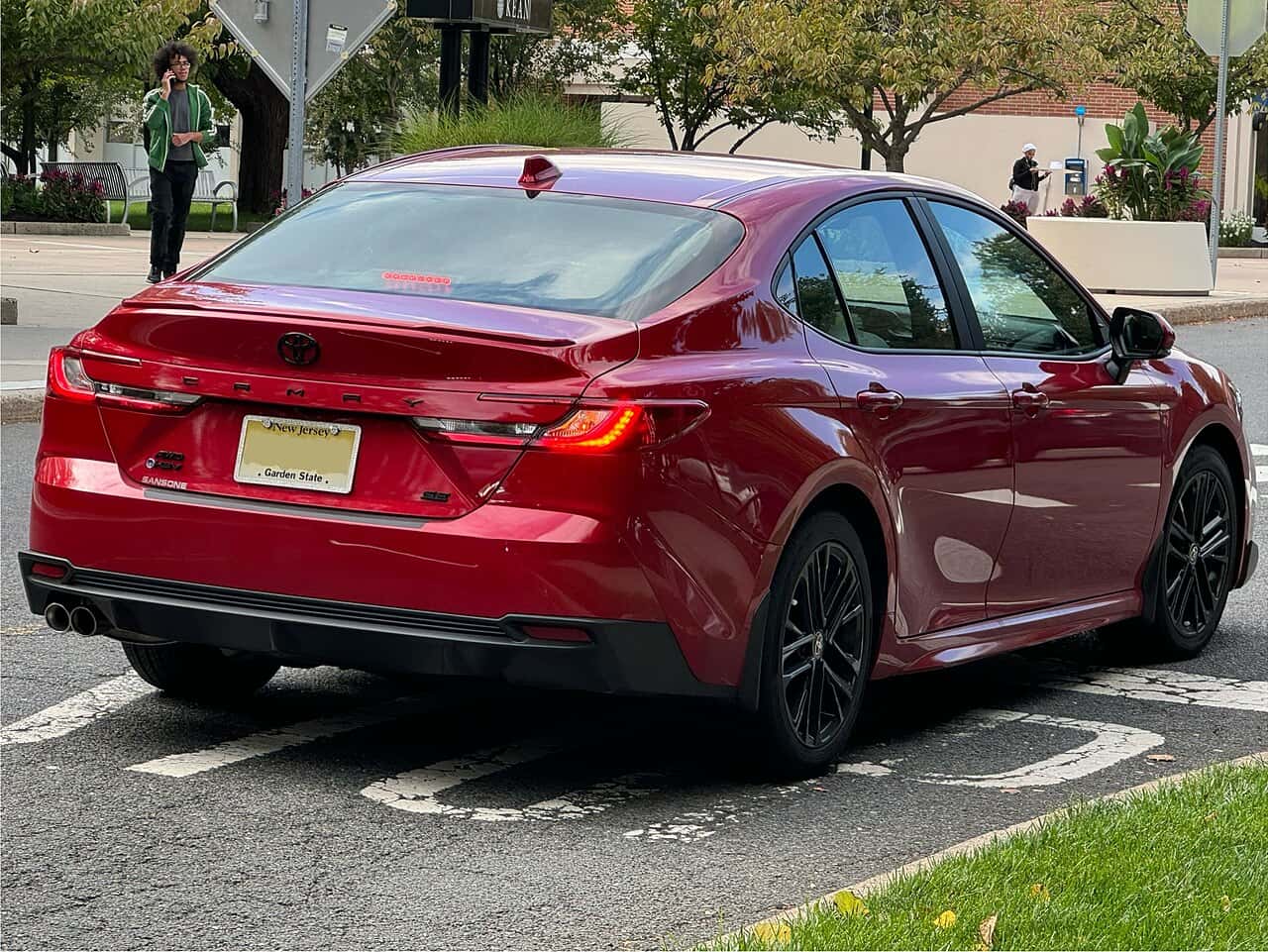

The 2027 Toyota Camry will reach dealerships this fall with a familiar formula: hybrid power throughout the range, a choice of front- or all-wheel drive, and five trim levels. Toyota’s October 13 announcement says the grades, features and options carry over. The meaningful shopping question is therefore which specification fits the budget, rather than whether a newly redesigned sedan has arrived.
The starting base MSRP is $29,700. That is not the delivered price: Toyota separately lists a $1,295 delivery, processing and handling charge for Camry, bringing a base LE to $30,995 before options, taxes, registration and other applicable charges. Toyota says that delivery charge can vary in certain states, so a local itemized quote remains essential.
2027 Camry prices, with delivery kept visible
The following figures combine Toyota’s listed base MSRP with the published $1,295 delivery charge. These are starting configurations, not all-wheel-drive or fully equipped quotations. Dealer prices can differ.
| Grade | Base MSRP | With $1,295 delivery |
|---|---|---|
| LE | $29,700 | $30,995 |
| SE | $32,200 | $33,495 |
| Nightshade | $33,200 | $34,495 |
| XLE | $34,900 | $36,195 |
| XSE | $36,100 | $37,395 |
A comparison is most useful when the quotes describe the same drivetrain and similar equipment. Comparing a front-drive LE with an optioned all-wheel-drive XSE combines several purchasing decisions into one price gap. Ask for each charge separately, then decide which differences you would actually use over the ownership period.
Same hybrid choice, different priorities
Toyota’s announcement confirms a 2.5-liter four-cylinder hybrid with 225 combined horsepower in front-drive form and 232 with all-wheel drive. The LE front-drive model has a manufacturer-estimated 51-mpg combined rating. That estimate belongs to that configuration; it should not be applied to every Camry.
The LE starts with 16-inch wheels and an 8-inch multimedia screen. SE moves toward a sportier specification with 18-inch wheels; Nightshade adds a darker appearance and 19-inch wheels. XLE brings a 12.3-inch multimedia screen and heated front seats with leather and microfiber trim, while XSE pairs the upper equipment position with sport-oriented styling and suspension.
Wheel appearance, seat comfort and screen usability deserve their own comparison. A larger wheel does not automatically make a sedan more suitable for a particular commute. Sit in the grades under consideration, try the controls and evaluate the ride on roads similar to those you drive regularly. That provides more useful evidence than selecting equipment solely from the trim hierarchy.
Driver assistance is a separate specification
Toyota lists Safety Sense 3.0 as standard. Its safety technology guide describes assistance that works within defined operating conditions, including collision-warning and braking support, lane assistance and adaptive cruise control. These functions do not replace an attentive driver or establish how a vehicle performed in an independent crash test.
Check what is standard, what requires an option package and how the controls operate before treating two cars as equivalent. The same applies to infotainment: a familiar app interface and a larger built-in screen are different benefits. Our Android Auto and Apple CarPlay comparison explains what to test with your own phone.
How to compare a 2026 and a 2027
Because Toyota describes 2027 as a carryover, shoppers considering a remaining 2026 should compare the actual window stickers and written prices. Do not assume that the newer model year includes a particular upgrade, or that an older car necessarily offers a better deal. Availability, installed options and the final price determine the comparison.
The clearest shortlist puts the desired drivetrain first, the equipment you use second and the complete price beside both. For this model-year update, that is a stronger basis for a decision than the year printed on the badge.
0 comment(s) so far on 2027 Toyota Camry Pricing: What Changes, What Carries Over