

Best Cars for Car Seats in 2026: A Family Checklist
Family vehicle fit
Cars.com’s 2026 car-seat awards are a useful starting list, not a promise that every restraint fits every version of a winning vehicle. Its two straight-A entries were the 2025 Mercedes-Benz GLS580 and 2026 Volkswagen Tiguan. Start with the tested configuration, then check the actual restraints and seating positions your family needs.
Updated October 16, 2026

Read the award’s scope before the badge
The July 29, 2026 report summarizes Cars.com’s checks of 56 vehicles made available to its testers. It evaluates installation and fit with selected child restraints. It is not a test of every vehicle on sale or every possible car-seat combination.
The GLS580 result involved a vehicle with second-row captain’s chairs and seating for six. A bench-seat layout is a separate fit question. Likewise, a result for a particular model year should not automatically be carried over to an older generation or a different seating arrangement.
Read the underlying fit report for the positions that matter: rear-facing space, forward-facing tether access, booster-buckle access and any third-row entry. An overall favorable grade does not answer whether a particular three-across arrangement is permitted and usable.
Ease of installation is different from crash performance
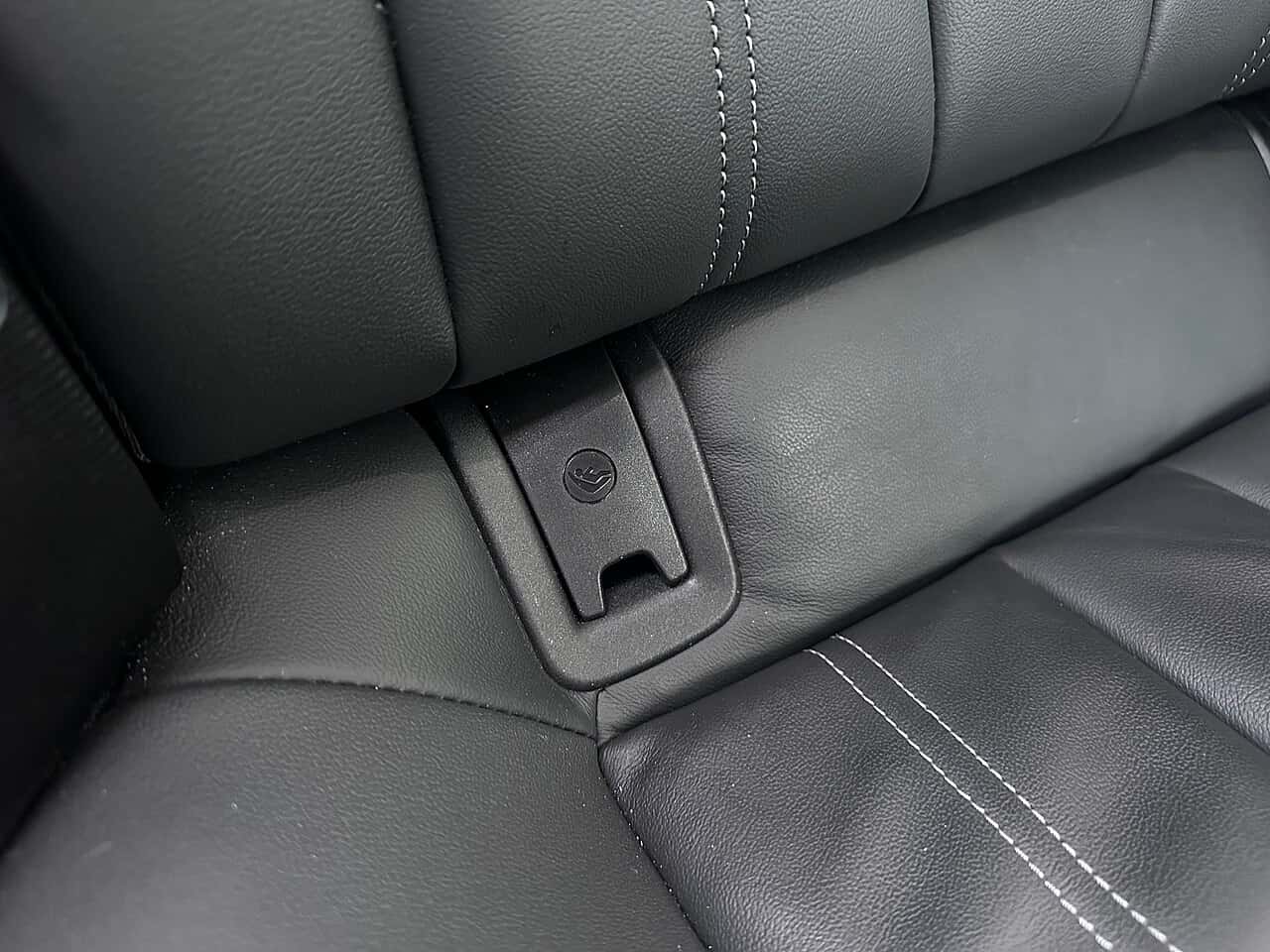
The IIHS LATCH evaluation rates how easy the attachment hardware is to find and use. It considers lower-anchor access and clearance, attachment force and tether location. A poor ease-of-use rating does not mean the connectors themselves are unsafe.
IIHS also notes that a child restraint can be installed correctly with a vehicle seat belt. Its good+ designation recognizes additional usable LATCH positions; in a three-row vehicle, it also calls for tether anchors in all seating positions. That designation does not certify your particular installation or replace the separate vehicle crash-test results.
Bring the actual seats and both manuals
NHTSA’s guidance starts with a restraint appropriate for the child’s age and size that also fits the vehicle. Bring the restraint instructions and the vehicle manual. Identify the approved seating position, installation method, lower-anchor limits and correct tether anchor before trying an arrangement.
| Task | What to confirm |
|---|---|
| Rear-facing installation | The prescribed angle and clearances work while the front occupant has an acceptable seating position. |
| Forward-facing installation | The correct top-tether anchor and routing are identified; a nearby cargo hook is not assumed to be an anchor. |
| Booster use | The buckle is accessible and the lap-and-shoulder belt fits the child as instructed. |
| Third-row entry | The access routine works without moving a seat or attached restraint in a way its instructions prohibit. |
Use the installation method the manuals specify. Do not assume that combining the lower anchors and seat belt is better, or that lower anchors can be used at any child weight. For a forward-facing harnessed restraint, follow both manufacturers’ tether instructions. If the permitted arrangement is unclear, get installation help before using it.
Check the routine after the seat is installed
IIHS’s caregiver guide recommends bringing the restraint when shopping. Include the adults who will drive and the other seats that will usually be occupied. Then try the daily sequence: buckling, loading, accessing the rear row and carrying the necessary luggage.
For a three-row SUV, the Telluride cargo-space guide shows why maximum cargo volume is different from luggage room with passenger rows upright. The family fit decision needs both.
A certified child-passenger-safety technician can help assess the final installation. A shortlist narrows the search; the exact vehicle, restraint, child and permitted installation determine whether the arrangement works.
0 comment(s) so far on Best Cars for Car Seats in 2026: A Family Checklist