

Explorer and Aviator Seat Recall: Vehicles and Repair Timing
Seat recall
Updated October 17, 2026
A sticking easy-entry seat switch can allow a second-row seat to move unexpectedly in certain Ford Explorer and Lincoln Aviator SUVs. The current recall record identifies NHTSA 26V451000, also called Ford 26S52.
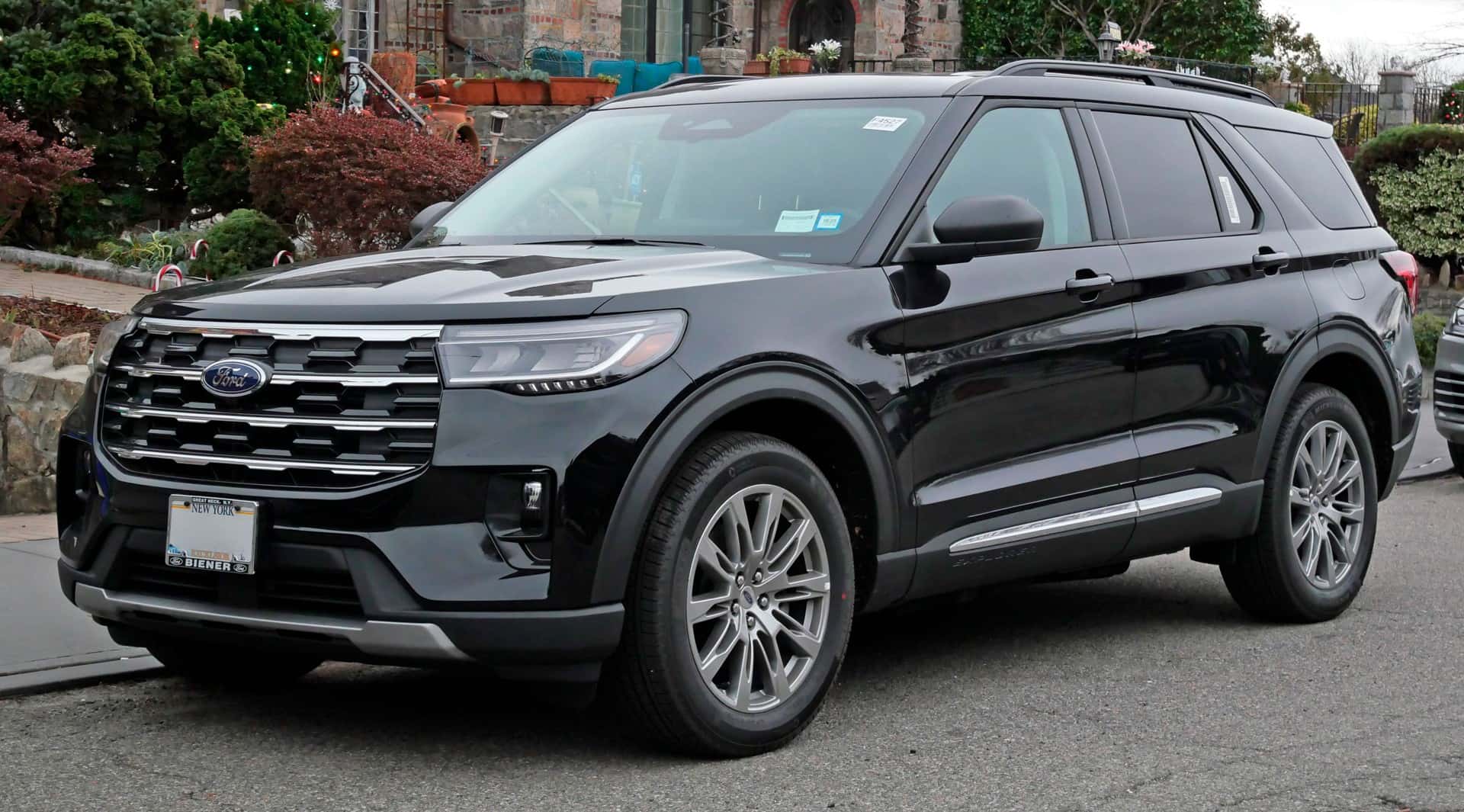

Which vehicles and seats are involved
| Model years and vehicle | Potential population |
|---|---|
| 2020–2026 Ford Explorer | 227,520 |
| 2020–2027 Lincoln Aviator | 160,391 |
Ford’s original safety filing describes an easy-entry switch bezel that can become misaligned or unseated during use. A binding or stuck switch can let an outer second-row seat tip or slide unexpectedly, including while driving. That movement can increase injury risk, particularly in a crash.
The combined potential population is 387,911 vehicles. Model-year coverage does not establish that every Explorer or Aviator in those years is included.
Mailed notices and future remedy timing
The current record says interim safety letters were mailed August 19, 2026, and Lincoln Aviator owner letters were mailed August 21. Additional letters are planned when the remedy becomes available, anticipated in January 2027. Availability will be phased by model and model year.
NHTSA currently describes dealer inspection and bezel replacement as necessary, free of charge. Ford’s original filing describes replacing the bezel and housing with a revised design. Confirm the applicable instructions and remedy availability for the specific VIN.
Use the VIN and the campaign number
The NHTSA recall tool distinguishes an individual VIN search from a general year/make/model search. Its results cover unrepaired recalls; completed recalls and some newly announced VINs may not appear. A model-year match alone does not establish that a particular SUV is included.
Ford lists 1-866-436-7332 for questions about 26S52. Describe a sticking switch or unexpected seat movement when requesting vehicle-specific guidance. Do not recreate the movement or treat the notification timetable as a determination that the seat is safe to use.
Keep the campaign notice and completed repair order. Our service-history guide explains why a complaint, a recommendation and a completed operation are different records. Match an earlier seat-related invoice to the exact campaign rather than assuming it settles the current VIN status.
0 comment(s) so far on Explorer and Aviator Seat Recall: Vehicles and Repair Timing