

2026 Hyundai Ioniq 5 XRT: Range and Equipment Tradeoffs
Electric vehicles
The 2026 Hyundai Ioniq 5 XRT trades some rated driving range for a different combination of suspension, tires and all-wheel-drive equipment. That makes the useful comparison an XRT versus another specific Ioniq 5 configuration—not an adventure badge versus the model family’s longest-range headline.
Updated October 16, 2026
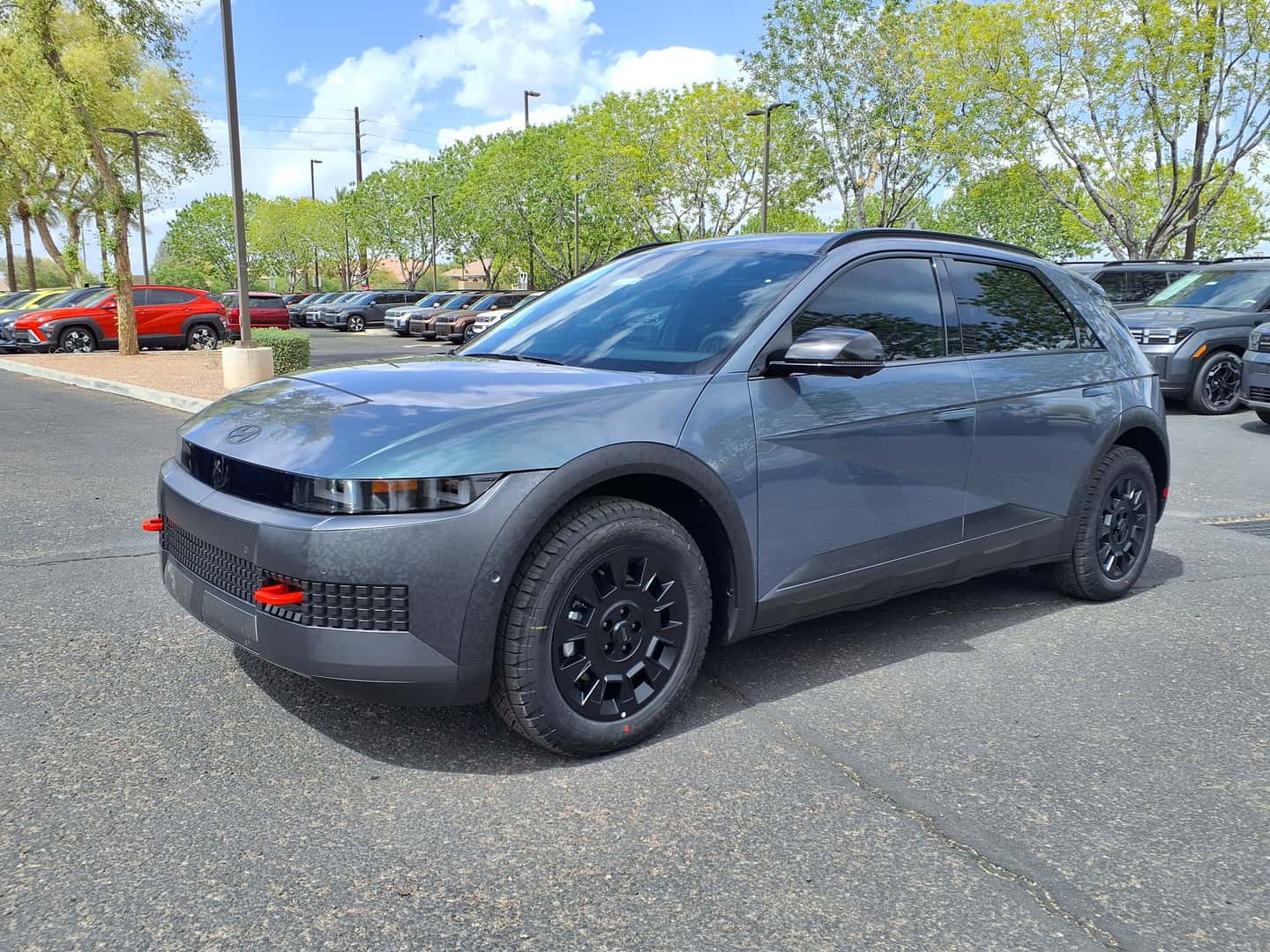

What the XRT configuration changes
Hyundai’s 2026 specification material lists dual-motor HTRAC all-wheel drive, an XRT suspension lift and tuning, terrain modes and 235/60R18 all-terrain tires on 18-inch wheels. Those are concrete differences to look for on a vehicle. They do not establish that every gravel road, obstacle or weather condition is within the SUV’s capabilities.
The EPA record for the 2026 Ioniq 5 AWD XRT gives it an estimated 259-mile range and 94 MPGe combined. It also lists electricity consumption of 36 kWh per 100 miles. That last figure is useful when estimating charging expense because an electricity bill is measured in kilowatt-hours, not miles per gallon.
Keep the model year attached to those numbers. Hyundai’s current XRT product address rolls forward as new model years arrive; it is not a permanent archive of the 2026 car. For a used example, match its window sticker and equipment to the corresponding model-year specification and EPA record.
Compare range without inventing a cause
The XRT’s official range is a configuration rating. It does not isolate how much of the difference comes from tires, ride height, aerodynamic details or other equipment. Do not treat the entire gap from another trim as a measured penalty from one tire change.
Build a comparison with the alternative you would actually drive. Record its year, drivetrain, wheel configuration, EPA range and energy consumption. A long-range rear-drive version answers a different question from an AWD version on another wheel package. Decide whether the XRT equipment matters often enough in your routine to justify the range and equipment tradeoffs.
Plan the difficult trip, not just the average commute
Write down the longest regular stretch between dependable charging stops, including any unpaved access road and the return journey. Check the actual chargers along that route: connector, access hours, operating status and an alternative stop. A charging station shown on a map is not the same as a confirmed working charger when you arrive.
DOE’s cold-weather guidance explains that low temperatures and cabin heating can reduce EV efficiency and range. Treat the 259-mile estimate as a standardized comparison rather than a promise for a winter highway trip or a fully loaded outing. Charging time also depends on conditions and the station; one advertised best-case session should not set the entire schedule.
For a used XRT, inspect the equipment that defines it
Check the tires actually installed, their size and condition, and whether wheels or suspension components have been changed. An XRT badge does not confirm that the original all-terrain tire configuration remains on the car. Ask for records of relevant work and inspect the underbody for damage rather than assuming an outdoor-oriented trim was either abused or lightly used.
Keep battery condition separate from the dashboard’s range estimate. A range display responds to recent use and conditions; it is not, by itself, a battery-capacity test. The guide to reading a used-EV battery health report explains which measurements and test conditions make a report more meaningful.
The XRT makes sense as a specific equipment choice. Its appeal is easier to judge when the comparison includes the surfaces you encounter, the tires on the actual car, the route’s charging access and the exact configuration’s range. Those details are more useful than a general claim that EVs have become adventure-ready.
0 comment(s) so far on 2026 Hyundai Ioniq 5 XRT: Range and Equipment Tradeoffs