

Top Tesla Cybertruck Features for Truck Shoppers
Truck technology
The Cybertruck’s most useful features to compare are the ones that change how you steer, load, power equipment and plan a trip. The badge alone does not settle the specification. Tesla’s current North American manual describes different suspension and cargo configurations, so a used-truck comparison should begin with the hardware and controls on the actual vehicle.
Updated October 15, 2026
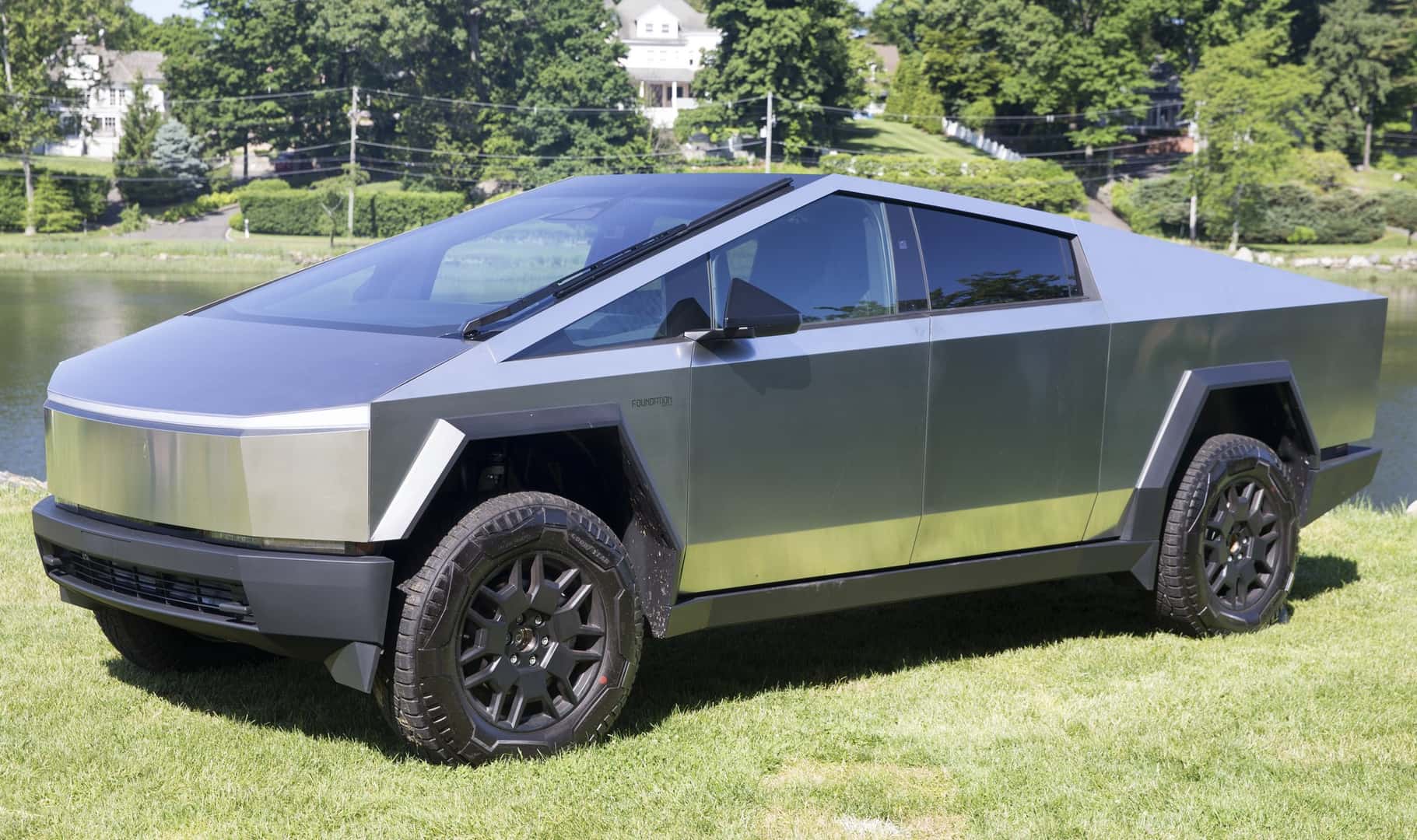

1. Stainless steel changes the care routine
The angular body is easy to recognize, but stainless steel does not eliminate surface care. Tesla’s cleaning instructions explain that the exterior panels do not have a conventional clear coat: a scratch can be in the metal itself. The manual also specifies cleaning products and warns against substances that can damage or discolor surfaces.
When inspecting a used example, separate ordinary appearance changes from damage that needs a repair assessment. Ask about previous panel work and the products used to maintain the finish. A distinctive material is not evidence that the body cannot be damaged or that repair costs will be lower than on a painted truck.
2. Steering is different from a conventional pickup
Tesla’s steering chapter describes steer-by-wire, with electronic communication rather than a mechanical connection between the steering wheel and steering racks. It also describes four-wheel steering, which changes how the truck maneuvers.
During a normal test drive, pay attention to steering response, visibility and low-speed maneuvering. Review the controls and any alerts while parked, and follow the manual if a steering warning appears. A brief demonstration cannot establish the condition of the entire system.
3. Check whether the suspension actually adjusts height
The current suspension instructions cover both coil-spring and adaptive-air-suspension vehicles. Tesla says selectable ride-height controls identify the air-suspension configuration; their absence identifies the coil-spring version. Adjustable damping or a familiar model name should not be mistaken for adjustable ride height.
On an air-equipped truck, height settings depend on speed and driving mode. Compare the actual configuration with the clearance and access you need, including entering a garage or reaching the bed. Raising the body does not increase the vehicle’s payload allowance or establish that an obstacle can be crossed safely.
4. Covered storage and useful power need an equipment check
Tesla marks the tonneau cover, bed outlets and under-bed storage as equipment-dependent in its cargo-bed guide. Where a tonneau is fitted, the manual says it protects against much of the weather but does not make the bed waterproof. Water-sensitive equipment needs an appropriate storage plan.
The separate outlet instructions distinguish outlet limits, combined loads and operating conditions. Check that the fitted outlets and permitted loads match the tools or appliances you intend to use. A socket’s presence is not approval to connect any device, and powering equipment draws energy from the traction battery.
| Feature | Useful evidence |
|---|---|
| Ride height | The fitted suspension and selectable controls |
| Bed storage | Installed cover and compartments, condition and access |
| Power outlets | Installed equipment and applicable individual/combined limits |
| Truck loading | Vehicle labels, added equipment and the planned loaded combination |
5. Energy planning is part of using the truck
Tesla’s range guidance lists speed, temperature, cargo, towing and accessories among the factors affecting consumption. It distinguishes an estimated rated range from a trip prediction and provides energy-use information for driving and parking.
Use those tools with an actual route and charging arrangement. A range figure for another configuration, or an unloaded trip, does not establish the distance available while towing your trailer. Check charging access with the trailer attached as well as the route between stops; do not assume every station has the space your combination requires.
For carrying and towing, the payload and towing-capacity guide explains why people, added equipment and hitch load must be counted alongside the applicable ratings. Its example is hypothetical, not a Cybertruck rating. Use Tesla’s instructions, the truck’s own labels and actual loaded weights for the vehicle being considered.
0 comment(s) so far on Top Tesla Cybertruck Features for Truck Shoppers