

Spare Tire or Repair Kit: A Used-Car Equipment Check
.jpg)
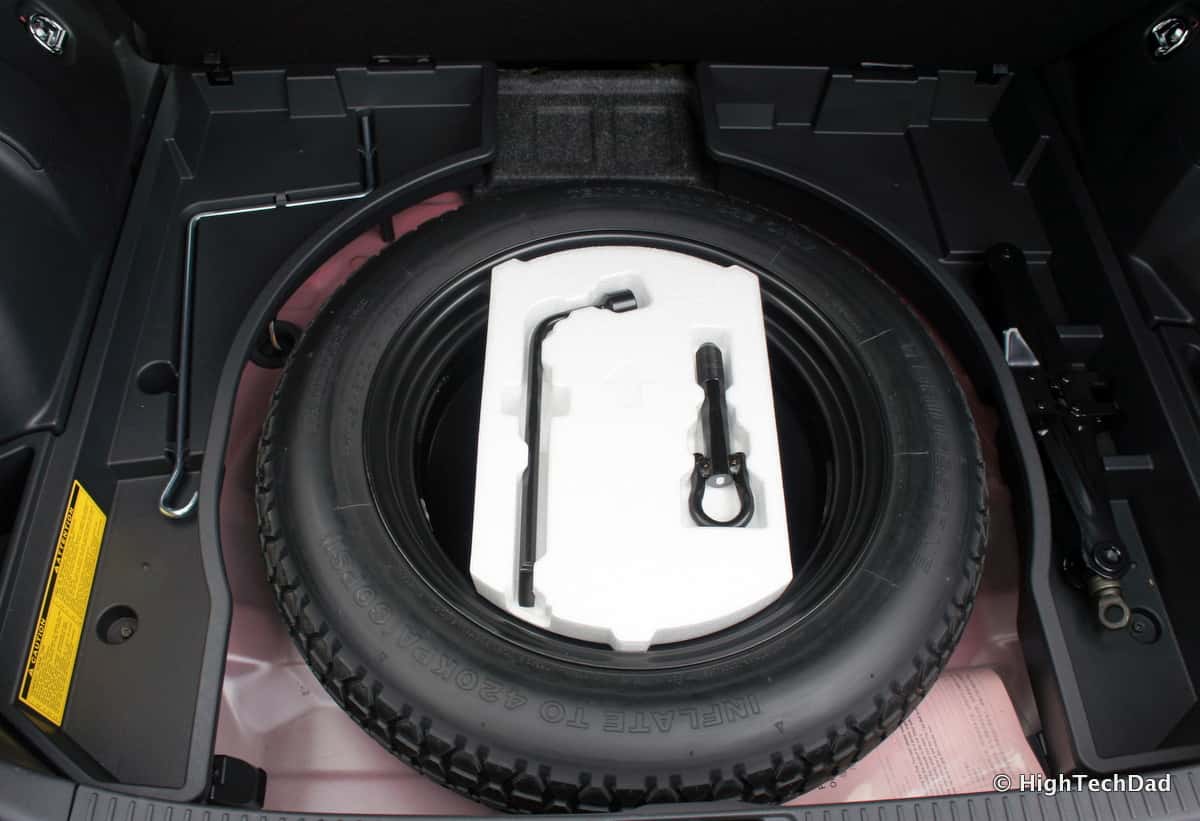
A used car’s flat-tire equipment deserves a physical inspection before purchase. Do not assume a covered compartment contains a spare, or that a small compressor can handle every puncture. Confirm which system the vehicle originally used, what is present now and what the owner manual says about its operation.
AAA’s guidance on vehicles without spare tires recommends asking for an equipment list and reading the instructions for any inflator kit. Its October 2017 report describes a longstanding design choice, rather than the current share of vehicles sold without spares. For a used car, the useful question is the equipment included with that specific vehicle today.
Open the compartment and match the contents
Ask the seller to show the spare or kit and the corresponding instructions. If there is a spare wheel, check for the required jack, wheel wrench and any locking-wheel-nut key. Some vehicles store equipment beneath the cargo floor; others use a different location or retrieval method. Ask for a demonstration of access while the vehicle is safely parked, without attempting to lift it.
Record missing items alongside the rest of the used-car inspection checklist. A wheel that fits the storage space is not, by itself, proof of correct vehicle compatibility. Have a qualified tire professional confirm an unfamiliar replacement spare or tool set before treating it as usable emergency equipment.
A spare still needs condition and pressure checks
NHTSA recommends monthly pressure checks for all tires, including the spare, when they are cold. The agency defines cold as not driven for at least three hours and directs drivers to the vehicle’s tire information label or owner manual for the recommended inflation pressure. Use the instruction applicable to the spare; do not assume it shares the road tires’ specification.
NHTSA also warns that spare tires age even when they are seldom used. An unused appearance does not establish their condition. Include the spare in a tire professional’s inspection and follow the vehicle and tire manufacturers’ replacement guidance. The broader tire-pressure and tread checklist complements this equipment review.
Michelin explains that compact temporary spares have operating restrictions and are intended for emergency use. Check the spare’s markings and the vehicle manual for its specific speed, distance and installation limits. Arrange a proper tire inspection or replacement promptly after use instead of treating the temporary spare as a normal road tire.
Read the repair kit’s limitations before a flat
For an inflator-and-sealant kit, locate the compressor, hoses, sealant container and instructions. Check whether the sealant has been used and whether its date has expired. As one manufacturer example, Honda’s 2021 Civic Type R maintenance instructions include checking the temporary tire-repair bottle’s expiration date when equipped. The correct replacement product and schedule still depend on the actual kit.
AAA notes that these kits can temporarily address certain small punctures but cannot remedy sidewall damage or a blowout. A compressor’s presence therefore does not establish that the car is prepared for every flat. Read the kit’s damage limits, inflation procedure and post-use instructions in advance. Do not experiment with expired sealant or assume a temporary seal completes the repair.
Finish by deciding how assistance would be requested if the equipment could not be used safely. Keep the manual and assistance details accessible, and add equipment checks to the pre-trip preparation routine. Knowing what the car carries, and what that equipment can actually do, makes the ownership plan more complete before the first roadside problem.
0 comment(s) so far on Spare Tire or Repair Kit: A Used-Car Equipment Check