

Regular vs. Premium Gas: Check a Used Car’s Fuel Needs

A used car’s gasoline requirement belongs on the shopping checklist alongside fuel economy. Two vehicles with similar mileage ratings can have different fuel costs if one requires a higher octane grade. Before comparing them, identify the engine in each vehicle and read the fuel section of its owner manual. The important distinction is whether a grade is required or recommended.
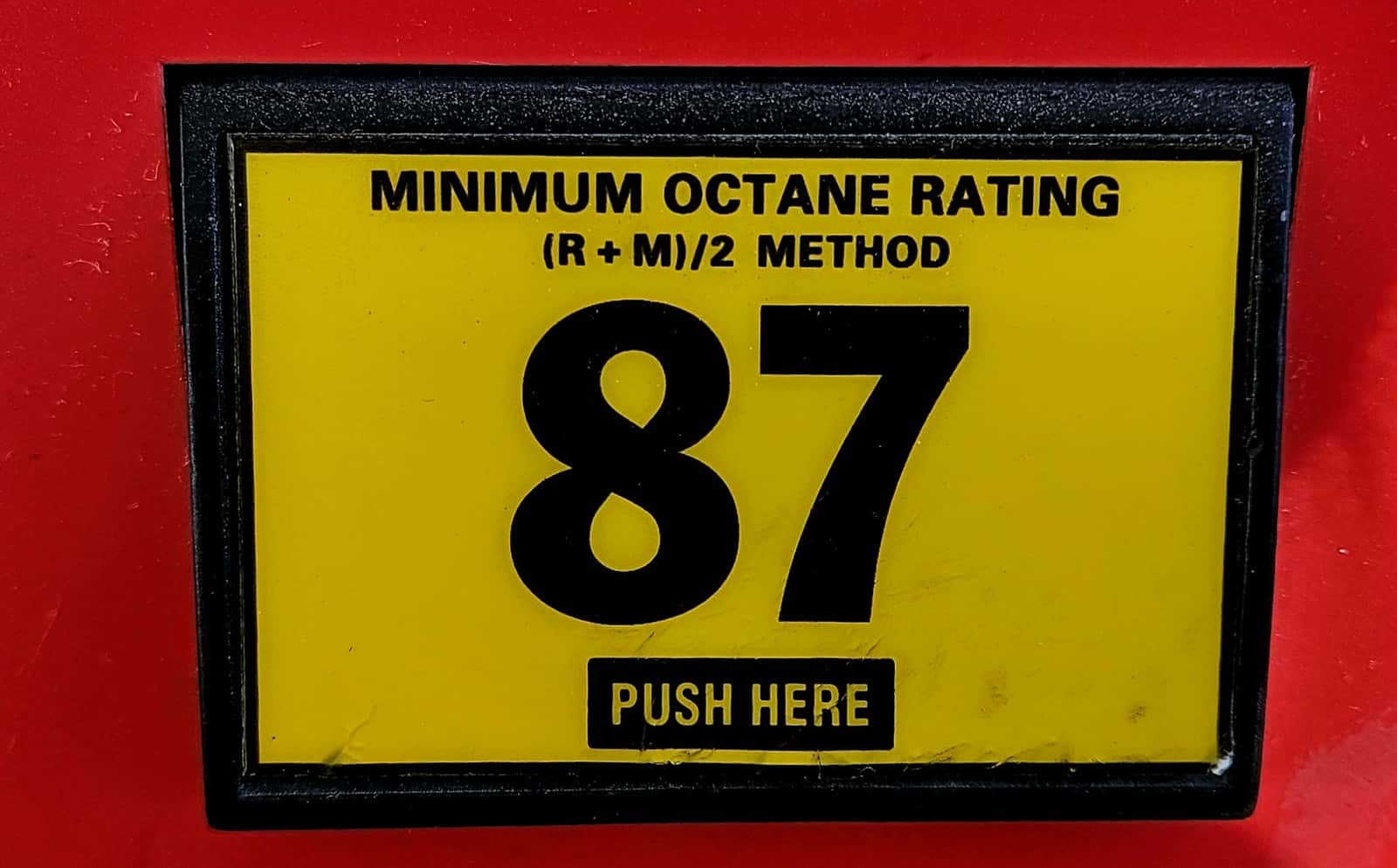
FuelEconomy.gov’s octane guidance explains that the number measures gasoline’s resistance to abnormal combustion commonly described as knocking or pinging. In the United States, regular gasoline is typically 87 octane, while premium is commonly 91 to 94. The number on the pump is more useful than a product name when checking a vehicle’s minimum requirement.
Start with the exact engine and instructions
Read the manual for the correct model year and powertrain, then compare it with any fuel information inside the fuel door. Record the specified minimum octane and any separate recommendation for achieving advertised performance. If the wording is unclear, ask the manufacturer or a qualified technician to explain it for that engine before deciding which fuel to use.
DOE and EPA’s fuel-economy site directs owners to follow the manufacturer’s requirement. It warns that using a lower grade than required can reduce performance and cause damage over time. A car’s ability to adjust engine operation does not turn the required grade into an optional expense. That requirement remains part of the vehicle’s ownership budget.
What tests of higher octane can establish
In research published in September 2016, AAA tested regular and premium gasoline in selected vehicles designed for regular fuel. It found no significant improvement in horsepower, fuel economy or emissions in those tests. The research did not test using regular gasoline in engines requiring premium, so it cannot support lowering the fuel grade for those vehicles.
AAA also distinguished octane from fuel quality. Buying a higher octane number alone does not answer questions about detergent standards. Readers interested in that separate issue can review the explanation of gasoline standards and engine deposits. Keep the engine’s octane instruction and the fuel’s detergent specification as two different checks.
A second AAA study, published in December 2017, examined vehicles that recommended premium without requiring it. Some showed modest performance or efficiency gains under demanding conditions, including towing and heavy loads. Results varied by vehicle. Those older controlled tests explain why the wording matters; they are not a forecast of the benefit a particular used car will deliver today.
Compare cost per mile with explicit assumptions
For an illustrative calculation, suppose regular costs $3.20 per gallon and a car returns 30 mpg. Fuel costs about 10.7 cents per mile. Suppose premium costs $3.80 and the same car returns 31 mpg on that grade. That works out to about 12.3 cents per mile. These are hypothetical inputs, not current pump prices or measured results for any listed vehicle.
The calculation divides price per gallon by miles per gallon. It helps compare permitted fuel choices when the manual allows them, or compare different vehicles with different requirements. It does not justify using a lower grade than required. When looking through used-vehicle listings, confirm the engine and use realistic annual mileage before estimating the difference.
Finally, fuel grade should not substitute for diagnosing a change in the way a car runs. The separate guide to falling fuel economy and maintenance checks covers ownership questions beyond octane. Keep receipts and note the conditions behind any comparison so a single fill-up does not become a claim about long-term savings.
0 comment(s) so far on Regular vs. Premium Gas: Check a Used Car’s Fuel Needs