

Shock Absorber Seepage or Leak? How to Tell
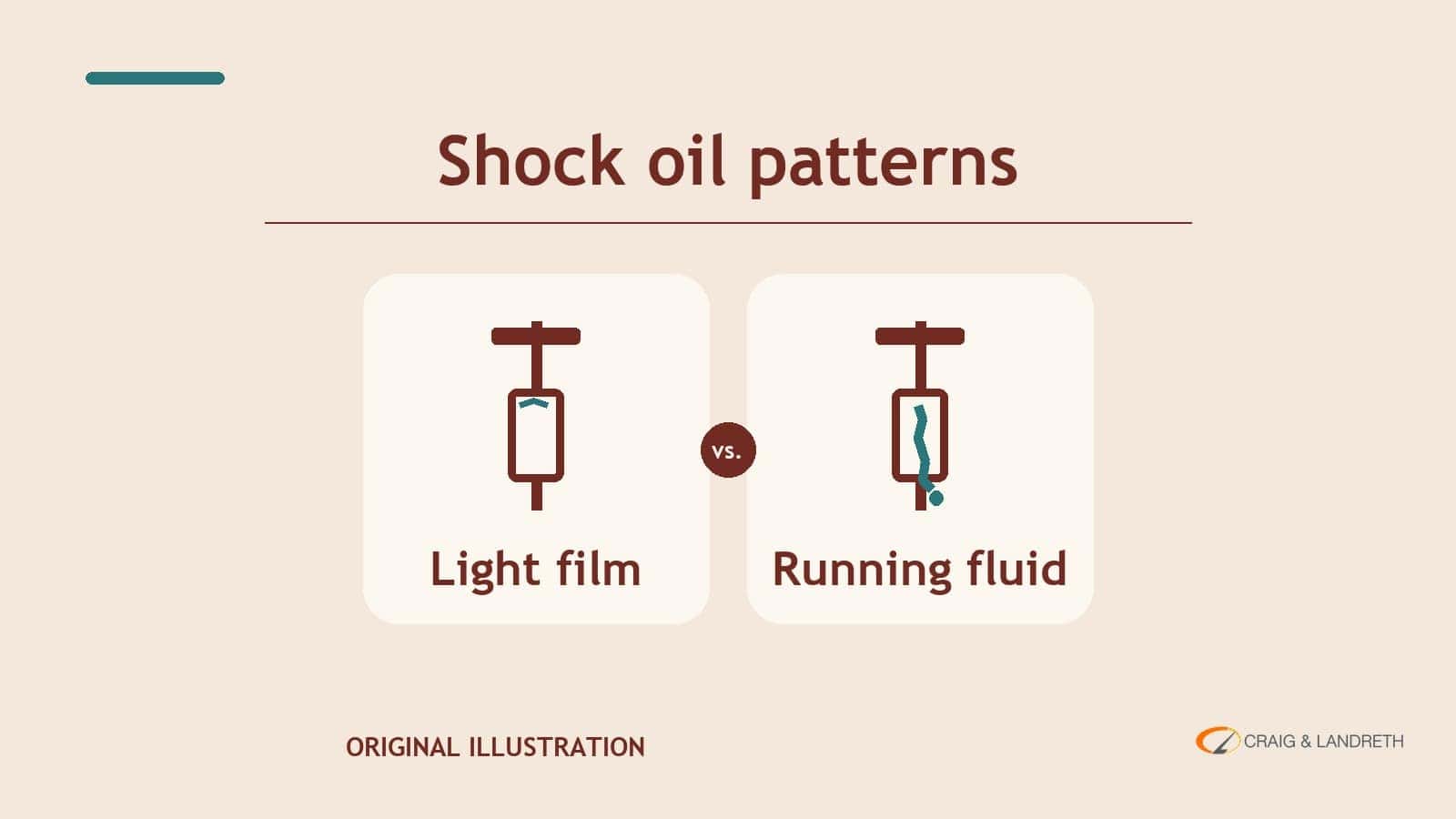
A light oil film close to a shock or strut seal can be normal on some designs. A wet trail that spreads down the body or forms a drip is stronger evidence of a leak. Ask the shop to show where the oil starts and which inspection standard it uses for your vehicle. Monroe’s guide to shock weepage and leakage illustrates both conditions.
Check where the oil starts and how far it spreads
A conventional damper moves fluid internally to control suspension motion. A trace of oil at the shaft seal can collect dust and leave a dark ring. Fresh oil that originates at the seal and coats much of the housing or drips is more concerning. A photo should show the seal area and the body below it. Oil from another part of the vehicle can run onto a sound damper, so a technician should confirm the source on a lift.
What if the car bounces but the shock looks dry?
Internal wear can reduce damping without a visible leak. Tell the shop if the car continues to bounce after a dip, feels unsettled over successive bumps, or rides differently than it used to. Ask whether the symptom and the findings on both sides support the diagnosis. Monroe’s damper wear guide describes internal wear and external leakage.
A technician can check the mounts, the damper body, and tread wear and assess the ride if the car can be driven safely. Irregular tread wear can have several causes. The tire service page is a starting point if the shop identifies a separate tread problem. Monroe’s inspection checklist covers both the physical and ride checks.
Should you monitor it or schedule repair?
If the finding is a light film and the damper passes the applicable checks, ask whether a dated photo and a recheck are suitable. If there is a confirmed leak, ask what is being replaced, why the opposite side is or is not included, and how soon the work should be done. If the car becomes difficult to control, stop safely and arrange a tow.
Cooper Automotive offers suspension inspections. If you request a recheck, share the original photo, the mileage when it was taken, and any change in ride quality.
0 comment(s) so far on Shock Absorber Seepage or Leak? How to Tell