

Car Fuse Keeps Blowing? Stop Replacing It and Check This
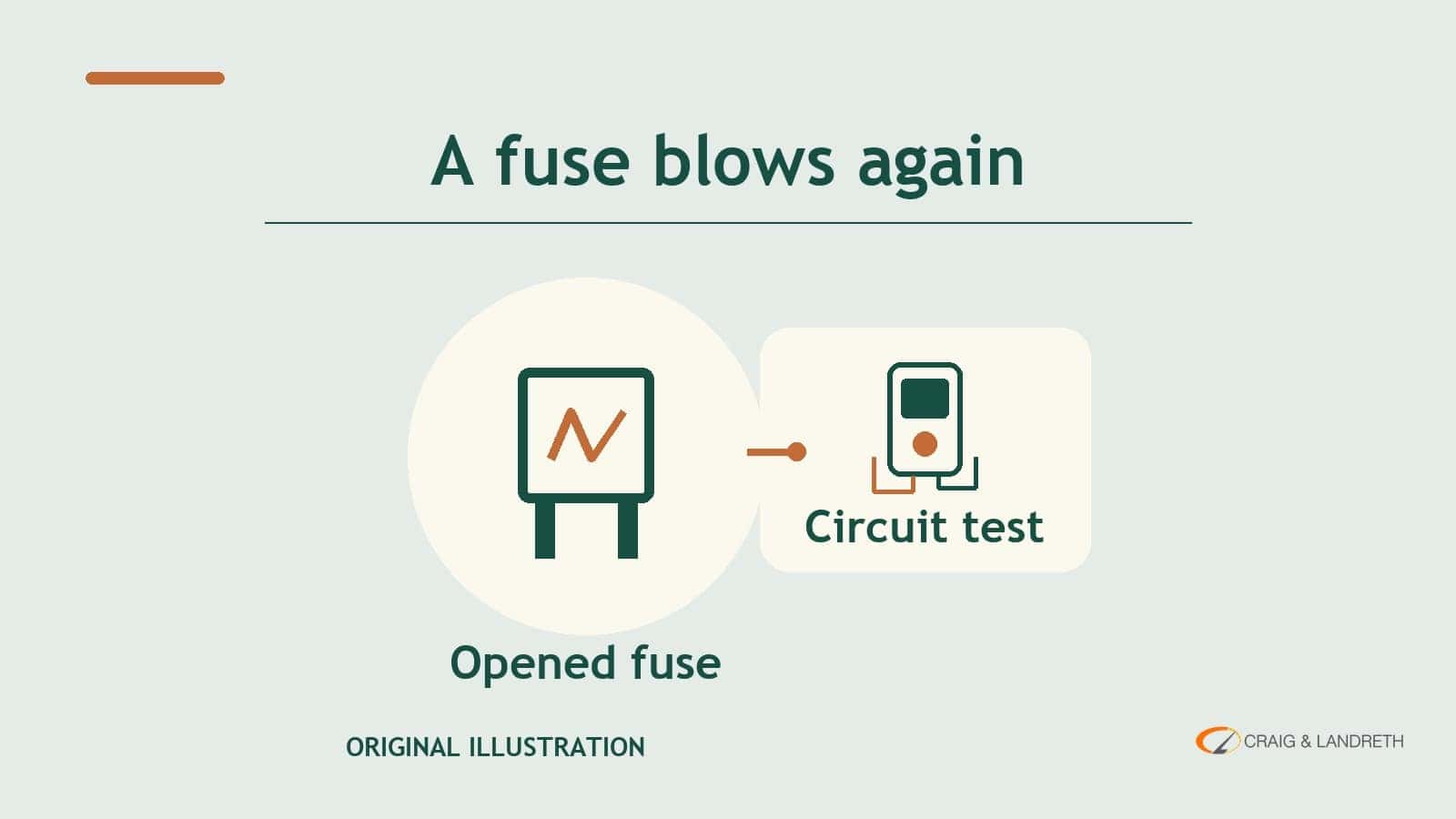
If a correct replacement fuse blows again, stop replacing it. Leave the affected feature switched off if you can and have the circuit checked. A fuse protects wiring against excess current. A higher-rated fuse or a makeshift bypass defeats that protection and can lead to wiring damage or a fire.
Verify what that fuse actually feeds
Use the fuse diagram for your exact vehicle and trim. The owner’s manual may show several panels and more than one fuse with a similar name. Note which feature stopped working, what else failed at the same time and whether anything was plugged in or recently installed. A photo of the diagram and the suspect position can help describe what happened. Avoid removing unfamiliar high-current or high-voltage components.
If your manual allows owner replacement, follow its steps and use the specified fuse type and rating. With a socket or adapter problem, unplug portable devices first. A failure that comes back with the correct fuse is the point to stop. Never substitute a larger fuse because the replacement did not last.
What the timing can tell a technician
Tell the shop whether the fuse failed before you used the feature or only when you turned it on. Note whether it happened after rain, after an accessory was added or with a trailer connected. “It went out as soon as I switched on the rear wiper” is more useful than “the electrics went out.” Don’t install another fuse to recreate the failure.
The failed fuse identifies a circuit to investigate. A shop may check that circuit’s wiring diagram, isolate the items supplied by it and inspect connectors, wiring or the connected load. The circuit may feed more than one feature, and recently disturbed wiring can be useful history. The USB-port troubleshooting guide is helpful when only a phone port is affected and you are still separating a cable issue from a vehicle fault.
Park it if the circuit serves a safety function
If brake lights, steering assist or another essential safety system is affected, keep the vehicle parked and arrange assistance. If you lose the wipers or lights while driving in conditions that require them, pull over safely. If you notice smoke, a burning smell or visible heat damage, stop as soon as you can do so safely, switch the vehicle off and get help.
Make the sequence specific
For example, if a trailer-light fuse fails only when one particular trailer is connected, report whether the same vehicle lighting works when the trailer is disconnected. If an interior fuse fails without anything attached, record which features went out together. Neither observation requires replacing more fuses to see what happens. A technician can use a known sequence to decide where to start inspecting.
Before the visit, gather any receipts for a recent accessory install, body repair or work near the panel. Say if the vehicle got wet where it usually stays dry. These details can help the technician choose what to test first, even when the replacement fuse worked long enough to leave the driveway.
For a repeat fault, request an electrical inspection with Cooper Automotive. The diagnostics service is a starting point when you can describe the fuse position and what brought on the failure.
0 comment(s) so far on Car Fuse Keeps Blowing? Stop Replacing It and Check This