

Volvo EX30 Recall Addresses Front Head-Restraint Cushions
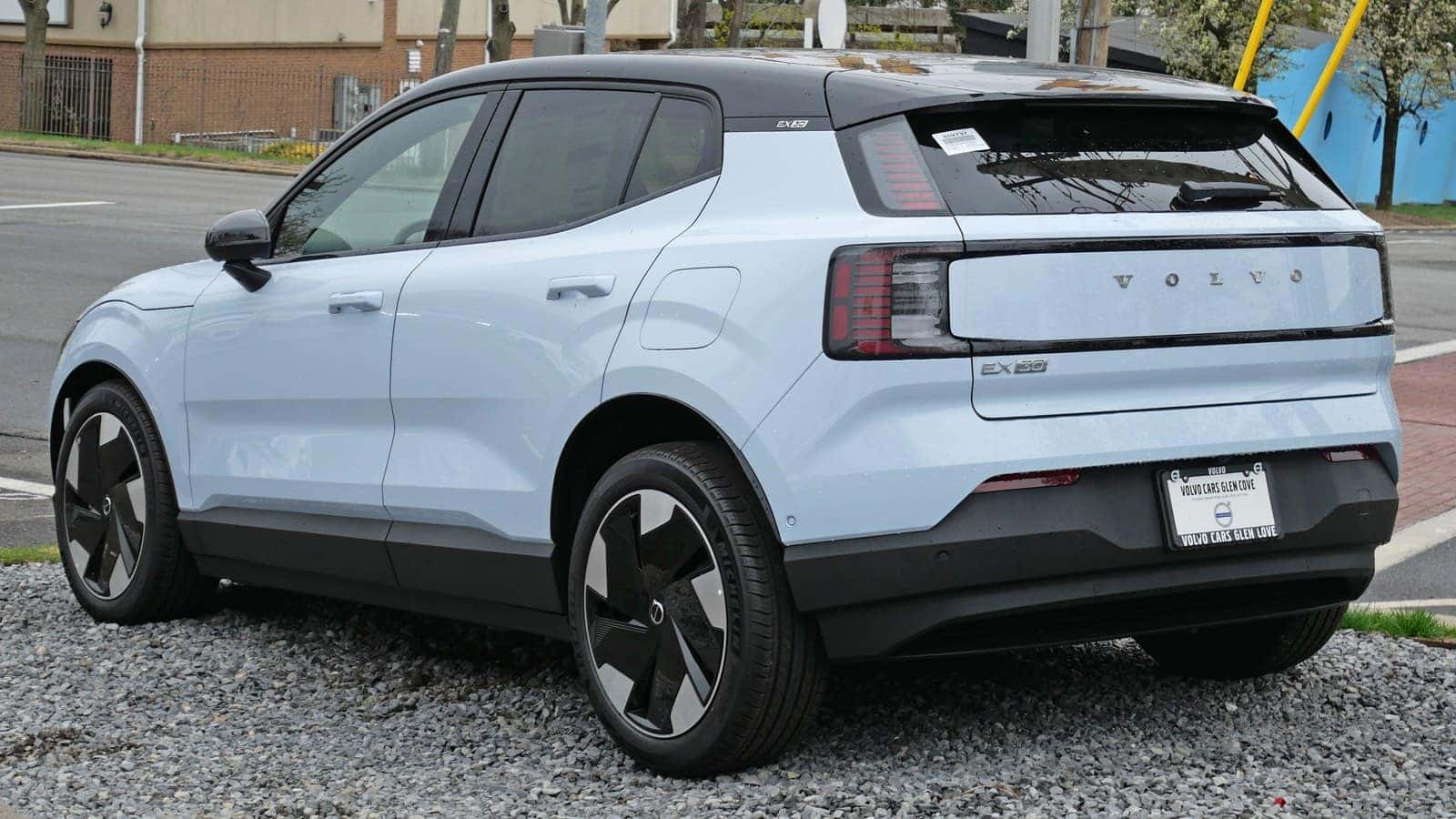

Volvo is recalling 9,930 EX30 and EX30 Cross Country electric vehicles in the United States to reinforce the attachment of their front head-restraint cushions. The company says a cushion can detach during a severe crash, increasing the risk of injury. Dealers will apply a specified adhesive at attachment points on both front seats, with the work performed free of charge.
The campaign is NHTSA recall 26V671 and Volvo recall R10396. The regulator’s October 16 acknowledgment lists November 30, 2026, as the expected date for mailing owner notification letters. Affected VINs became searchable October 9.
Two EX30 versions are covered
| Vehicle | Model years | Potentially affected |
|---|---|---|
| Volvo EX30 | 2025–2026 | 8,825 |
| Volvo EX30 Cross Country | 2026 | 1,105 |
The latest recall report reviewed, submitted October 16, attributes the problem to insufficient fastening of the cushion. It describes a severe accident involving high speed and impacts from multiple directions as a situation in which detachment may occur. The issue is the cushion’s attachment, so the repair addresses that connection.
Volvo began investigating after receiving information about the attachment in September 2025. It classified the concern as critical on September 30, 2026, and decided on October 7 to prepare the recall. In the October 16 filing, the company said its central organization had not received reports alleging injuries or fatalities related to the condition.
The report describes a repair using two-component epoxy adhesive at three attachment points. Volvo says physical testing confirmed an improvement in attachment strength. That provides a defined repair method, although an owner’s ability to obtain it still depends on the retailer having the required materials and equipment.
Repair instructions exist; parts timing still matters
Volvo’s October 15 retailer letter said it expected parts to become available toward the end of October. Owners should therefore contact their retailer to confirm availability before making a trip. The November letter date and the parts forecast are separate milestones: neither is confirmation that a particular service department can complete the repair today.
The retailer communication says affected owners will be asked to schedule an appointment and that the recall work is free. It directs retailers to verify vehicle eligibility in Volvo’s campaign system. It also calls for completing the repair on eligible vehicles before customer delivery, making campaign completion relevant to someone preparing to collect an affected EX30.
Volvo’s October 15 quality bulletin specifies reinforcement on both the driver and passenger seat. It requires the approved adhesive, designated application tools and the adhesive maker’s curing instructions before returning the vehicle. Retailer gauges were scheduled to ship during the week of October 19.
Those instructions describe a workshop repair using a tested material and process. Owners should arrange the recall service rather than substitute a household adhesive or alter the seat. The procedure’s existence establishes how Volvo intends to correct the attachment; the service record establishes whether that work has actually been completed on an individual vehicle.
Check the vehicle, then confirm the appointment
Volvo’s U.S. recall page lets owners enter a VIN to check whether their vehicle should be brought to a retailer. Customer Care can also answer questions at 1-800-458-1552. Referencing R10396 helps identify this head-cushion campaign when discussing parts and scheduling.
Volvo explains that it may issue safety recalls even when no incident reports have been received. A recall notice therefore calls for action on the identified condition, rather than waiting for a symptom to appear.
Owners can also check NHTSA’s recall database. Its VIN search reports unrepaired recalls and omits completed campaigns. The affected model years are a starting point; a current VIN check and retailer confirmation establish whether the vehicle needs this repair and when it can be performed.
0 comment(s) so far on Volvo EX30 Recall Addresses Front Head-Restraint Cushions