

Honda Tire-Repair-Kit Recall Requires a Second Check
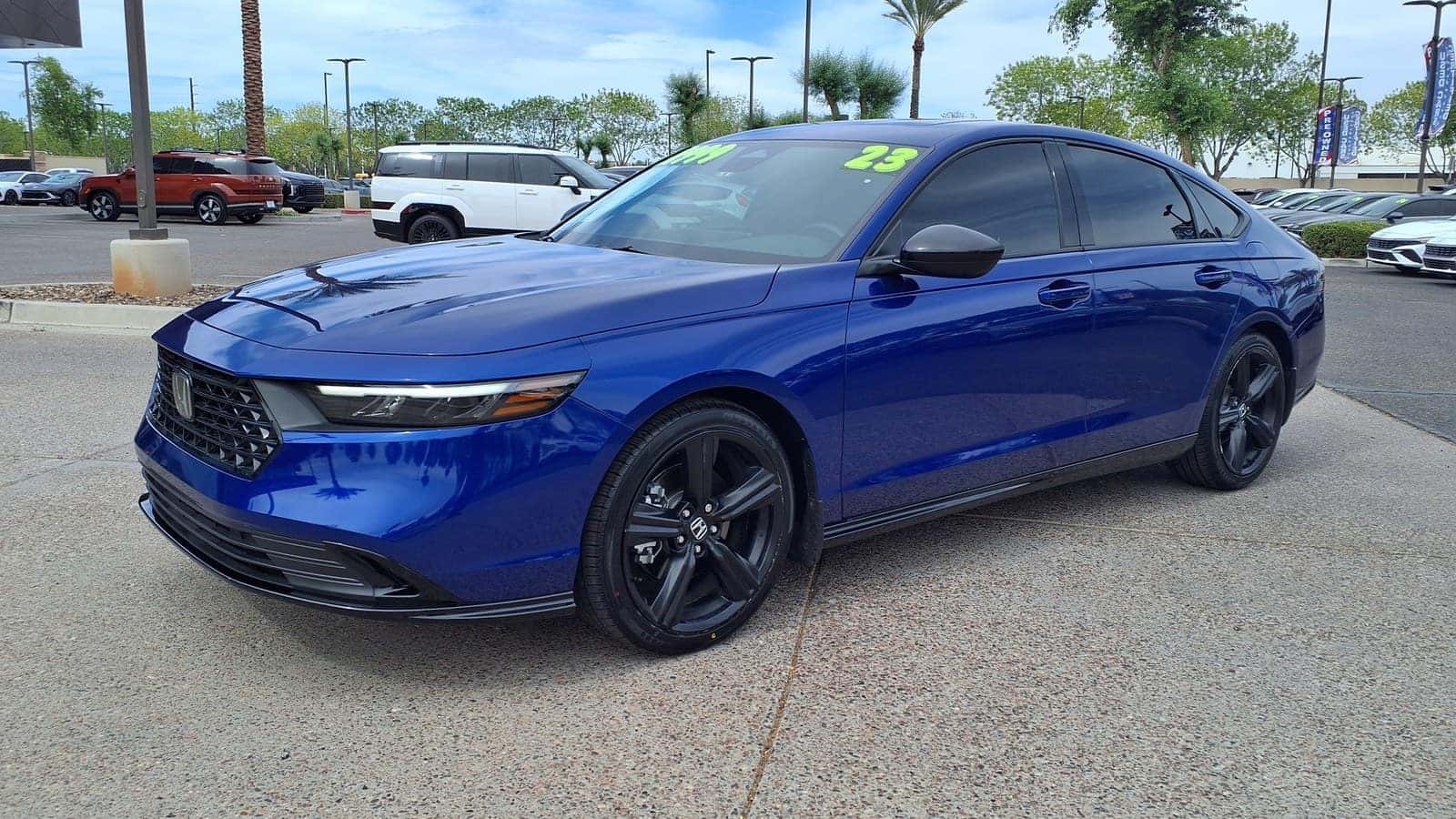

Honda is recalling 4,804 vehicles after a supplier shipped some older tire-repair-kit components mixed with corrected parts intended for an earlier recall. For owners, the key detail is that a previous recall visit may not settle the issue: certain vehicles already repaired under campaign 26V366 now need another inspection under Honda campaign PPW, or NHTSA recall 26V663.
The NHTSA acknowledgment says the new campaign covers certain 2023–2026 Accord Hybrid and CR-V Hybrid vehicles, plus a 2025 CR-V Fuel Cell EV. Dealers will inspect the kit and replace the nozzle as necessary, free of charge. Owner notification letters are expected November 16, 2026.
Which Hondas are included?
| Vehicle | Model years | Potentially affected |
|---|---|---|
| Accord Hybrid | 2023–2026 | 2,058 |
| CR-V Hybrid | 2023–2026 | 2,745 |
| CR-V Fuel Cell EV | 2025 | 1 |
Honda’s October 14 manufacturer announcement lists the affected models and breaks the hybrid population down by model year. This is a campaign involving particular vehicles and their installed kits; it does not mean every Accord, CR-V or Honda tire-repair kit needs replacement.
Honda says manufacturing records determined the population. Its announcement identifies just one fuel-cell CR-V in this follow-up campaign, alongside the two larger hybrid groups. Those details make the VIN check more useful than comparing the badge on the tailgate with a general model list.
The problem concerns pressure inside the sealant bottle. Honda’s recall filing explains that an improperly connected nozzle containing a one-way valve can allow pressure to build. If the pressure-relief valve fails to release it, the bottle cap can detach and increase the risk of injury to someone using the kit or standing nearby.
The supplier failed to keep older parts separate while preparing the earlier recall’s corrected components. Those older parts were then shipped incorrectly. Honda began investigating in July after receiving notice of incorrect remedy parts at a dealership and decided on October 1 to conduct this follow-up recall.
As of that decision date, Honda said it had no warranty claims and no reports of injury or death related to the issue. That dated statement describes what Honda had received during its investigation. It does not change the inspection requirement for a VIN included in the new campaign.
What the second inspection changes
Honda’s October 9 service bulletin directs technicians to examine the sealant bottle’s hose valve and seal. The inspection determines whether the correct replacement component is already installed. If the older component is present, the dealer replaces the sealant bottle. Honda says it expects a very small number of vehicles to require replacement.
That means the 4,804-vehicle recall population is the group needing a check, rather than a count of kits proven to contain the incorrect part. The bulletin provides dealer inspection and documentation procedures; it is not a direction for owners to modify the kit themselves. The corrected nozzle design removes the one-way valve described in the defect report.
The October 9 dealer notice says replacement parts are available through Honda’s normal ordering system. It asks dealers to verify that a vehicle has the incorrect canister before ordering a replacement. The inspection procedure had already been posted, even though owner mailings were planned for November.
Use the new campaign number when checking
Owners can call Honda at 1-866-784-1870 and reference PPW. The acknowledgment says VINs became searchable beginning October 17 and that affected vehicles repaired under 26V366 need the new remedy completed. A receipt from the earlier visit therefore should not replace checking the current campaign.
Use NHTSA’s VIN lookup to check for an unrepaired recall, then ask an authorized Honda dealer to confirm eligibility and arrange the inspection. The goal is to establish which component is actually installed before the kit is needed at the roadside. Our spare-tire and repair-kit guide covers the separate equipment check when shopping for a used vehicle.
0 comment(s) so far on Honda Tire-Repair-Kit Recall Requires a Second Check