

Car Blind Zones: What to Check From the Driver’s Seat
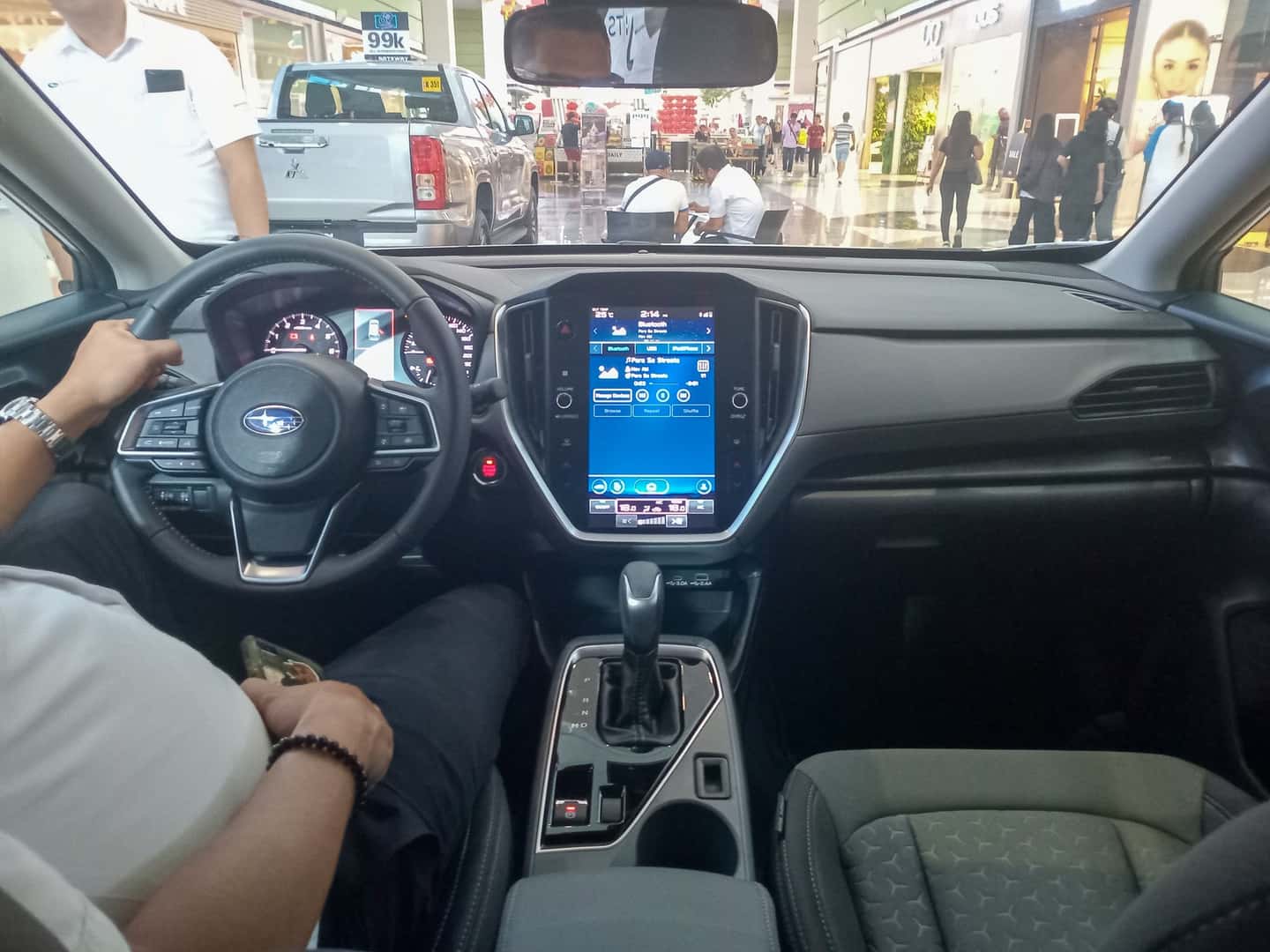

A car can have an impressive camera display and still make part of an intersection difficult to see from the driver’s seat. The shape of the windshield, the pillars beside it, mirrors and the hood all influence the view. For shoppers, forward visibility deserves its own assessment alongside the equipment list.
Research published in the Journal of Safety Research in June 2026 adds evidence to that practical concern. An IIHS study of direct visibility and pedestrian crashes examined measured visibility for 168 vehicle make, series and redesign combinations. Larger obstructed areas were associated with greater odds of a left-turn pedestrian crash relative to a straight-moving pedestrian crash in the study sample.
That is an association within recorded crashes, rather than a prediction that a particular driver will crash. It also does not rank every vehicle on sale today. The useful shopping lesson is narrower: two vehicles with similar exterior dimensions or safety features can offer different views from your normal seating position.
What the newer research measured
The researchers used crash data from seven states involving a single vehicle and a single pedestrian age 16 or older. They assessed several visibility measures, including the obstructed portion of the forward view, windshield field of view and the distance to the nearest visible point ahead. The reported relationships concerned left turns; the study did not find statistically significant associations for right turns.
Among the findings, vehicles with a large forward blind zone had higher odds of a left-turn crash relative to a straight-moving crash than vehicles with a smaller blind zone. That comparison should not be described as an increase in every owner’s overall crash risk. Street design, driving behavior and the circumstances of a specific encounter remain outside what a shopper can infer from the result alone.
Driver height changes the picture
IIHS’s November 2025 explanation of the visibility research describes measurements from positions representing drivers of different heights. A view that works well for one person can leave a larger obstruction for another. The measurement method considers the glass and structures around it, rather than treating a tall vehicle or a low hood as a complete answer.
That is why a photograph of an interior is useful context but cannot establish whether the vehicle fits you. Before a test drive, adjust the seat and steering wheel while parked, following the owner’s instructions. Use the position in which you would actually drive, with appropriate access to the controls. Raising a seat simply to look over the hood may change other aspects of your driving position.
From that normal position, look through the windshield and toward both front corners. Notice where a pillar or mirror interrupts the view. Assess ordinary surroundings from a safe parked location; there is no need to stage a moving obstacle or put another person in the vehicle’s path. If more than one household member will drive, each should make the assessment separately.
Blind-spot monitoring answers a different question
The term “blind spot” can obscure an important distinction. The National Highway Traffic Safety Administration’s driver-assistance guide describes blind-spot warnings principally as help with vehicles in adjacent lanes. That feature does not establish that a person ahead, partly obscured by a windshield pillar, will be detected.
Pedestrian automatic emergency braking and camera systems have their own functions and operating limits. Check the exact model’s manual and equipment rather than assuming that one warning system covers another system’s task. Evaluate how easily you can find the camera view or understand an alert while parked, and keep that interface assessment separate from the physical view through the glass.
A useful part of a vehicle comparison
Earlier IIHS research published in July 2022 examined vehicle types and pedestrian crash circumstances and called for more investigation of forward blind zones. The newer work develops that question with direct measurements. Neither study substitutes for evaluating the particular vehicle and seating position you are considering.
When comparing cars, record what is easy or difficult to see and which assistance features are actually fitted. Combine that observation with published safety information, a normal test drive and the owner’s manual. A clear screen is useful; a comfortable, usable view of the road and intersections is a separate part of choosing a vehicle you can drive confidently.
0 comment(s) so far on Car Blind Zones: What to Check From the Driver’s Seat