

LED Headlights Are Not a Safety Rating: Check the System
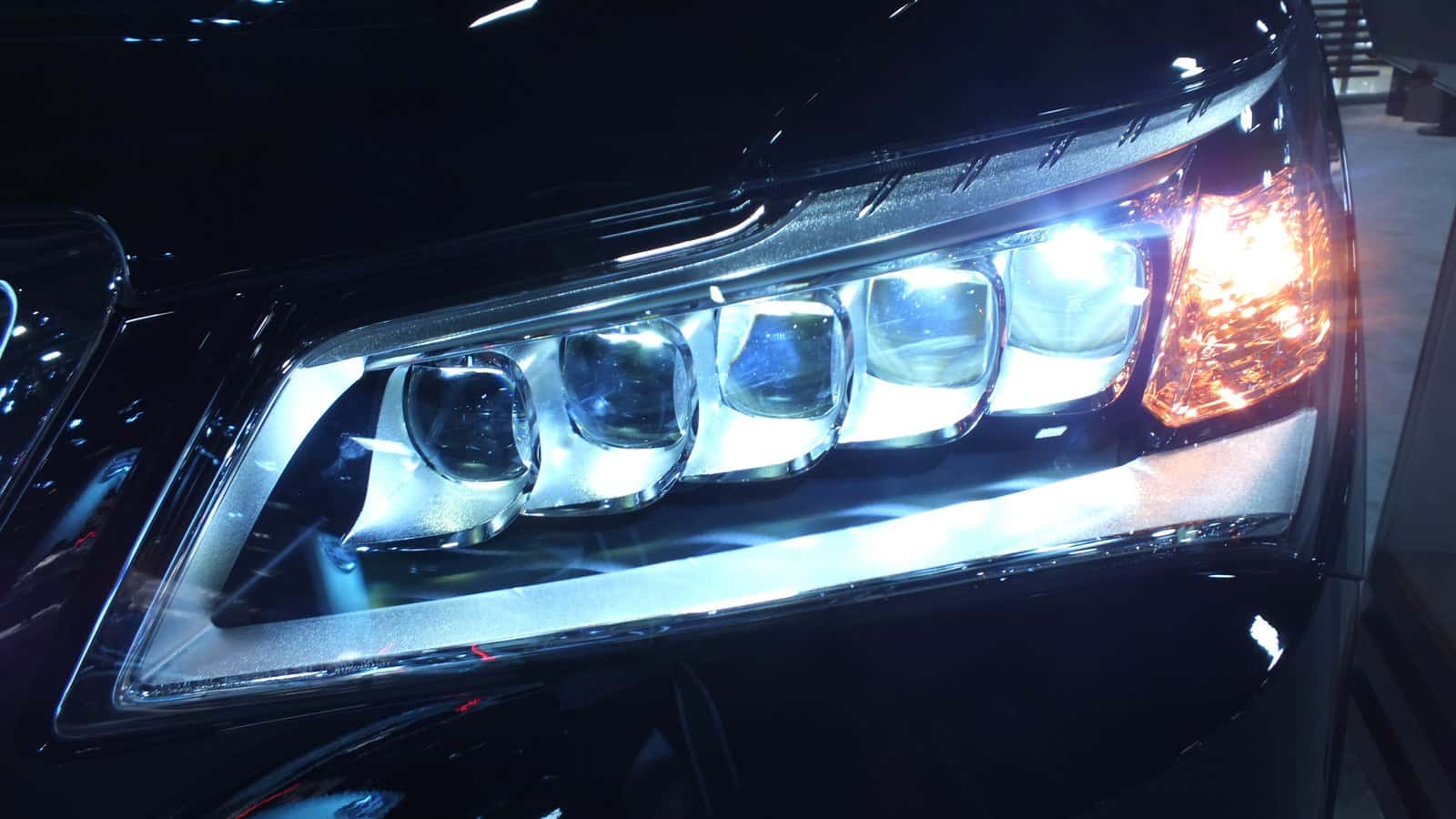

An equipment list that says LED headlights does not establish how well those lights illuminate the road. The type of light source is only one part of a complete headlight system, and a shopper can find different headlight ratings within the same vehicle model.
The useful question is which system is fitted to the actual car and how that system performed in an evaluation. That takes more detail than the model name, a luxury badge or a description of the lamps as bright.
What IIHS measures
The Insurance Institute for Highway Safety describes its headlight ratings as technology-neutral. LED technology does not automatically receive a good rating, just as another light-source technology is not assigned a result solely because of its name.
Its test method measures useful illumination on straight roads and curves, along with glare for oncoming drivers. The evaluation uses five approaches: a straightaway, gradual left and right curves, and sharp left and right curves. Low and high beams are assessed separately.
A system can therefore have strengths in one part of the evaluation and limitations in another. Seeing a bright patch of light in front of a parked car does not reproduce the range of approaches used in the test, and more light directed toward oncoming traffic is not necessarily better road illumination.
One model can have more than one result
The 2026 Lincoln Corsair rating page provides a concrete example. IIHS lists an Acceptable result for the curve-adaptive LED projector system on Reserve models with the Technology package and Grand Touring models with the Elements Technology package.
It lists a Poor result for the LED reflector system on Standard, Reserve and Grand Touring trims without those specified upgraded systems. Both variations use LED low and high beams, and both have high-beam assist. The difference demonstrates why an LED description or even a trim name may not be enough to identify the evaluated equipment.
Those results apply to the systems and model years identified by IIHS. They should not be extended to every Lincoln or every SUV using LED lamps. When comparing a different vehicle, use its own rating page and read the equipment and applicability notes.
Similar feature names describe different functions
High-beam assist switches between low and high beams when its operating conditions are met. Curve-adaptive headlights redirect illumination as the vehicle turns. Adaptive driving beams are another type of system, adjusting portions of the beam pattern to limit glare while retaining illumination elsewhere.
Those names describe functions, rather than interchangeable promises of visibility. The IIHS research overview explains their differences. A used vehicle’s advertised feature list should be checked against the equipment actually installed and the documentation for that configuration.
Use the rating to narrow the comparison
Start with the model year, trim and relevant option package, then locate the matching IIHS headlight variation. Read the overall result together with the explanation of low-beam, high-beam and glare performance. A broad award or another crash-test result is not a substitute for the headlight details.
The rating is also distinct from the condition of the particular used car. A published evaluation of an original system does not inspect the lenses, repairs, alignment or replacement parts on the vehicle being offered. Confirming its equipment and condition makes the rating more useful while keeping the limits of the evidence clear.
0 comment(s) so far on LED Headlights Are Not a Safety Rating: Check the System