

Acura Plans Three SUVs: RDX Hybrid, Adventure and Eight Seats
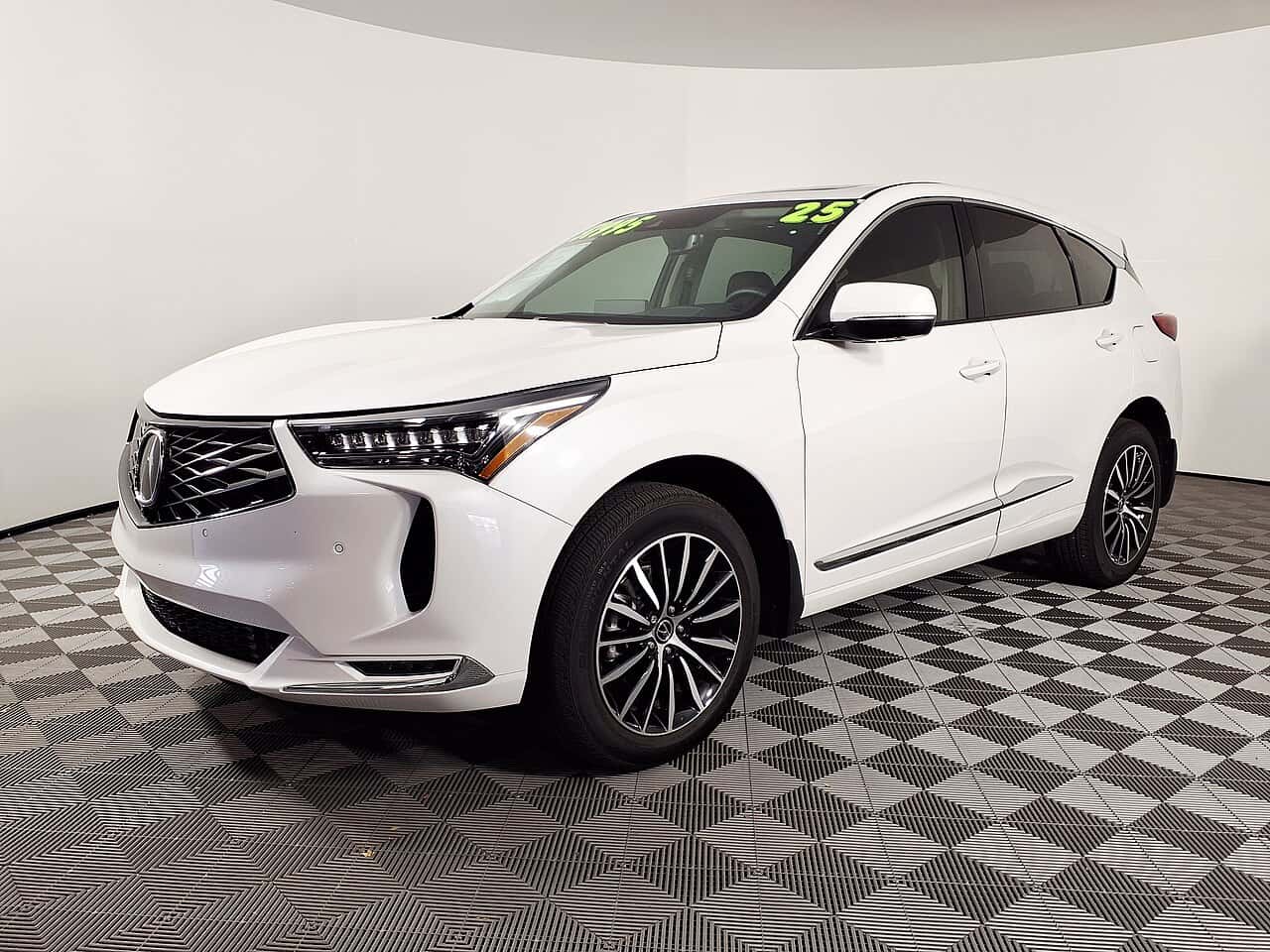

Acura is expanding its SUV plans in three directions: an adventure-oriented model, a redesigned RDX with hybrid power and an eight-passenger vehicle above the MDX. The October 13 announcement creates potentially meaningful choices for families and hybrid shoppers, although none should be confused with a vehicle already available to buy.
Acura gives two of the projects a 2028 timetable. Its adventure SUV is due in the first part of that year, while the fourth-generation RDX Hybrid is also planned for 2028. The larger eight-passenger SUV remains in development without an announced launch date.
Three different gaps in the SUV range
The official roadmap places the eight-seat SUV above the seven-passenger MDX. Acura also confirms development of a V6 hybrid system for its D-segment vehicles, but does not assign a final output, towing rating or fuel-economy figure to these future products.
Those distinctions matter more than simply counting new nameplates. An additional seating position, a different powertrain and an outdoor-oriented specification answer different needs. A family that needs eight occupied seats cannot substitute a hybrid badge for the missing place. Equally, a smaller household seeking lower fuel use may not need the biggest vehicle Acura eventually offers.
For now, it is sensible to treat the roadmap as a way to decide what to follow. It is not enough information to choose a trim, calculate running costs or establish whether a particular trailer will be suitable. Those decisions require the production vehicle’s specifications.
What the hybrid groundwork tells us
Acura previously showed a hybrid SUV prototype in May as Honda outlined its next-generation hybrid program. At that time Honda described targets for improved efficiency and an electric all-wheel-drive unit. Those program objectives provide engineering context, rather than certified results for the future RDX.
Honda’s technical explanation describes its two-motor system switching among battery-powered driving, engine-generated electricity driving the motor, and direct engine drive through a clutch. It also outlines smaller components and a revised battery layout intended to improve packaging.
The engineering aim is relevant to buyers because battery location can affect usable interior space, while the way a hybrid delivers power influences its driving character. Honda also describes an electric rear-drive unit and more precise torque control. But a technology explanation covering a family of future vehicles is not a complete specification sheet for any one Acura.
What remains unanswered
The announcement does not provide a price list, production-model EPA fuel-economy ratings or final dimensions for the three SUVs. Until those arrive, comparisons with today’s alternatives should remain provisional. An estimated fuel saving is particularly weak if it depends on a guessed MPG figure and an unknown purchase-price difference.
The same restraint applies to the adventure model. The label alone does not establish tire specification, clearance, recovery provisions or towing ability. Buyers planning outdoor trips should wait for those details and compare them with the terrain and load they actually expect, rather than equating a design theme with a specific capability.
Should a shopper wait?
Timing is the first filter. Someone replacing a vehicle soon should compare available cars against present needs. A household able to keep its current vehicle longer can track the RDX Hybrid or adventure SUV as more information arrives, without assuming that a launch window guarantees a particular delivery month.
For larger families, the eventual eight-seat configuration deserves close inspection beyond the passenger count: access to the last row, space with every seat occupied, child-seat installation and room for luggage all affect everyday usefulness. The roadmap is promising because it identifies these different needs. Final prices, specifications and a look inside the production vehicles will determine how well Acura answers them.
0 comment(s) so far on Acura Plans Three SUVs: RDX Hybrid, Adventure and Eight Seats