

Ram 1500 Seat Belt Recall: What Owners Should Check
Recall explained
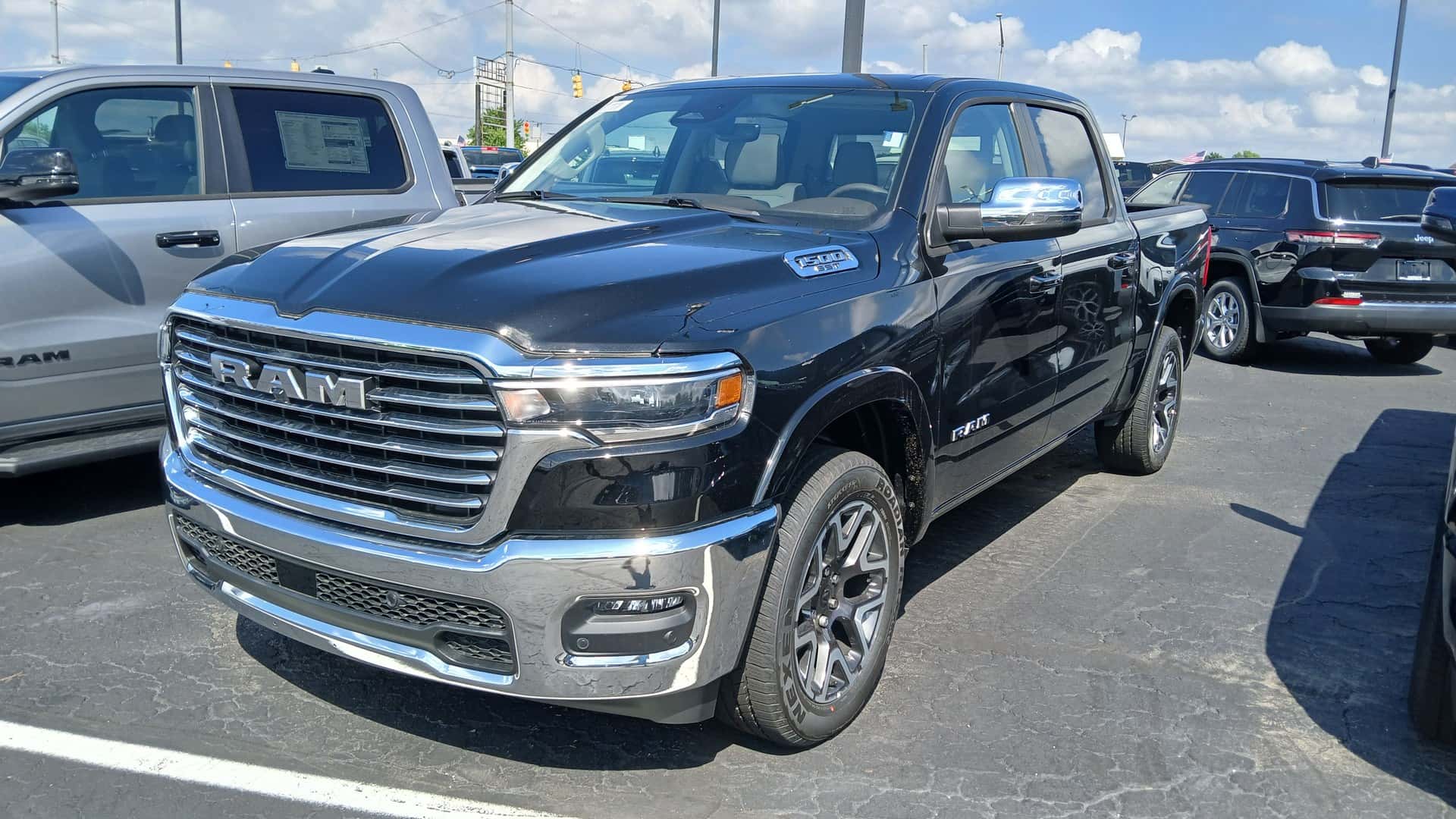
A Ram 1500 seat-belt recall requires an important passenger precaution: Mopar advises leaving the affected second-row seating positions unoccupied until inspection or repair is completed. Campaign 67D, also listed as NHTSA 26V495, covers certain 2019–2026 pickups whose rear center and/or rear driver-side buckle anchors may not be properly attached to the body.
Updated October 15, 2026

Which seats the recall concerns
The manufacturer’s current recall FAQ identifies the second-row center and second-row driver-side positions. It says the condition does not affect the front-row belts. On a U.S. truck, the driver-side rear position is the left side; “rear seat-belt recall” should not be interpreted as a statement that every belt in the cab is involved.
Mopar says owners can continue driving and that there is no stop-drive instruction for this campaign, while advising against occupying the affected seating positions before the inspection or repair. Those two instructions belong together. Being able to drive the truck does not mean the affected rear seats should remain in use.
If those positions are regularly used for passengers or child restraints, plan another seating or transportation arrangement that follows the vehicle and child-restraint instructions. Do not treat a belt that latches or retracts normally as evidence that its floor anchorage has passed the campaign inspection.
The attachment is the issue
FCA’s July 30 safety-recall filing describes an assembly issue: buckle anchors may not have been properly attached to the body structure. An improperly installed anchor can reduce the belt system’s ability to restrain an occupant in a crash, increasing injury risk. The filing does not identify a warning that reliably alerts the driver beforehand.
The U.S. campaign includes 1,271,294 potentially involved vehicles. That number identifies the population requiring attention, not 1.27 million confirmed loose anchors. Mopar specifically says the inspection determines whether corrective attachment work is needed. The model-year range is a reason to check the VIN, rather than proof that every Ram 1500 in those years has the defect.
| Campaign detail | What it establishes |
|---|---|
| 67D / 26V495 | The identifiers for this rear buckle-anchor recall |
| Certain 2019–2026 Ram 1500s | The listed model-year scope; individual VIN coverage still matters |
| Second-row center and/or driver-side anchor | The affected seating locations |
| Inspect; attach correctly if necessary | The conditional remedy, performed at no charge |
What the dealer will check
The listed remedy is to inspect the relevant buckle anchors and attach them correctly to the body structure where necessary. It is not an instruction to replace every rear belt, and an inspection that finds correct attachment can be a valid campaign outcome. Ask the service department to document the inspection result and any work required.
Use the Mopar recall search for the actual VIN and confirm the current service arrangement with an authorized Ram dealer. Customer care is available at 800-853-1403. No particular truck’s eligibility, appointment or repair completion was checked for this article.
The original filing planned phased owner notifications between August 18 and September 24, 2026. That is historical campaign timing, not a reason to wait for those dates now. The current FAQ directs notified owners to arrange an inspection; the current VIN result and manufacturer instructions establish the next step for an individual truck.
Document the inspection, not just the appointment
For an owner or used-truck buyer, the useful evidence is a completed repair order identifying the VIN, campaign 67D, inspection result and any attachment work. A booked appointment, an old recall letter or a general inspection receipt does not establish that this campaign has been completed.
The NHTSA VIN lookup shows unrepaired safety recalls and does not show recalls already repaired. Use it alongside the service record rather than treating it as a complete repair history. If the result and paperwork disagree, ask Ram to reconcile them, and continue following its seating precaution until the applicable inspection or repair is completed.
0 comment(s) so far on Ram 1500 Seat Belt Recall: What Owners Should Check