

Mercedes Door-Lock Recall Covers 310,667 U.S. Vehicles
Recall explained
Mercedes-Benz recall 26V481 concerns a small switch with an important parking function. Moisture can damage the driver-door lock microswitch, leaving the vehicle unable to recognize that the door has opened. Automatic Park or parking-brake functions linked to that signal may then fail to engage, creating a rollaway risk.
Updated October 16, 2026
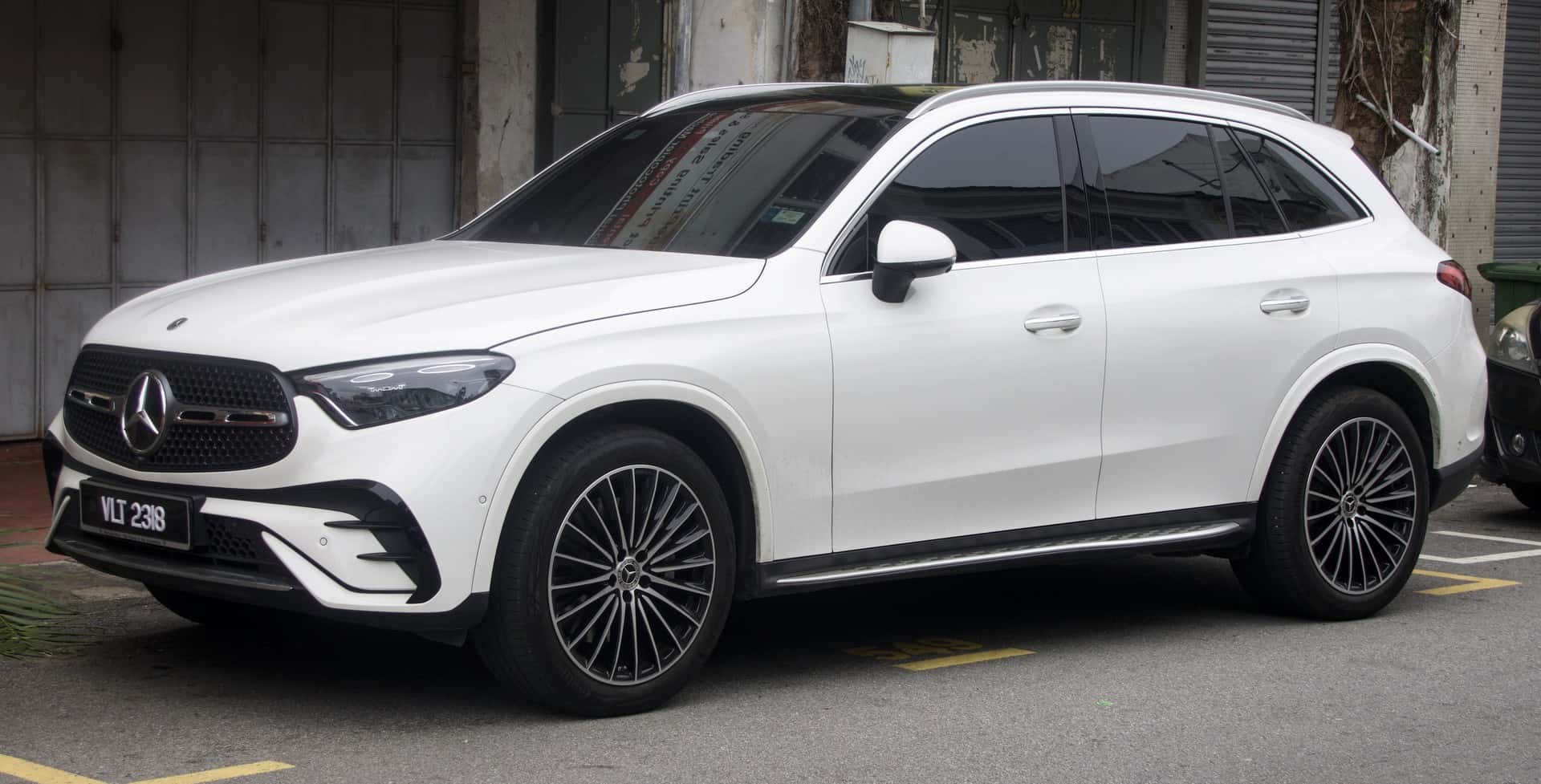

The U.S. campaign covers 310,667 potentially involved vehicles across several Mercedes-Benz lines. The door lock itself can still operate when the switch fails. Being able to lock and unlock the door therefore does not establish that the vehicle is correctly detecting an open driver door.
The difference between locking a door and detecting it
The manufacturer’s recall filing describes microswitch housings that can admit moisture over time. Corrosion can then stop the switch from providing the correct door-status signal. Mercedes-Benz expressly distinguishes that electrical failure from the mechanical operation of the lock.
Some convenience functions use the same information. The filing gives a radio remaining on after the driver exits as one possible clue. A comfort feature behaving oddly does not diagnose the switch, however, and an owner should not wait for that behavior before checking an outstanding campaign.
The safety concern arises when the vehicle relies on the door-opening signal to engage the electronic parking brake or Auto-Park. If that signal is missing and the vehicle is not otherwise secured, it can move. A working door latch is not a substitute for confirming the vehicle is parked and secured as its owner’s manual instructs.
Which model families are listed?
NHTSA’s summary groups the affected vehicles as certain CLA, A-Class, C-Class, CLE, GLA, GLB and GLC models. The years differ by model and trim. These selected entries from the filing show why a single broad “2019–2026 Mercedes” description is insufficient:
| Selected filing entry | Model years |
|---|---|
| CLA 250 and CLA 250 4MATIC | 2020–2021 |
| C 300 and C 300 4MATIC | 2022–2023 |
| GLB 250 and GLB 250 4MATIC | 2020–2026 |
| GLA 250 and GLA 250 4MATIC | 2021–2025 |
This is an illustrative selection, not the complete eligibility list. Mercedes-Benz determined the population from production records and the installed microswitches. The filing discusses humidity and temperature in its investigation, but the U.S. recall includes the entire country and its territories. An owner should not dismiss a VIN notice because the vehicle currently lives in a cooler or drier area.
The remedy is a driver-door lock replacement
The current NHTSA record, reviewed October 16, specifies replacement of the driver-door lock at no charge. The replacement addresses the microswitch issue; a routine battery replacement or unrelated door adjustment is not evidence that this campaign has been completed.
The record describes a phased campaign, with the remedy becoming available at different times for different models and model years. It still lists September 18, 2026 as an expected owner-letter date. That past target should not be read as confirmation of today’s parts availability or of a completed repair on any particular vehicle.
Check the vehicle through the Mercedes-Benz recall lookup or NHTSA’s VIN lookup, and ask Mercedes-Benz to confirm the applicable phase and appointment arrangements for 26V481. MBUSA’s listed number is 1-800-367-6372. Until the work is completed, follow the vehicle’s actual parking procedure and confirm Park and the parking brake rather than relying on an automatic response to opening the door.
0 comment(s) so far on Mercedes Door-Lock Recall Covers 310,667 U.S. Vehicles