

Hyundai Tucson Recall 304: Software Update Released
Tucson recall
Updated October 17, 2026
Hyundai says a software update is released for recall 304, covering certain 2025–2026 Tucson, Tucson Hybrid and Tucson Plug-In Hybrid vehicles. The owner advisory offers OTA or dealer service. Owners should establish whether their VIN needs the campaign and how its completion will be recorded, rather than waiting for a dashboard failure.
What the recall concerns
The Part 573 report for NHTSA 26V400 describes an intermittent reboot involving the instrument-panel cluster and head-up display. A temporary blank cluster can hide the speedometer, fuel gauge and notifications, increasing crash risk. This is an instrument-display software recall, not a general diagnosis for every screen problem.
The June 23, 2026 submission identifies 96,310 potentially involved U.S. vehicles across the three powertrains. Its schedule lists August 22, 2026 as a planned remedy-notification date. That forecast does not establish that a particular letter was sent or received. The report says revised software isolates reset behavior to the HUD, preventing a full cluster reset. The filing uses different production ranges for gasoline, hybrid and plug-in hybrid versions. That is another reason to keep the complete model and VIN together when reviewing eligibility, rather than borrowing a build-date limit from a different powertrain.
The update is released; the route is vehicle-specific
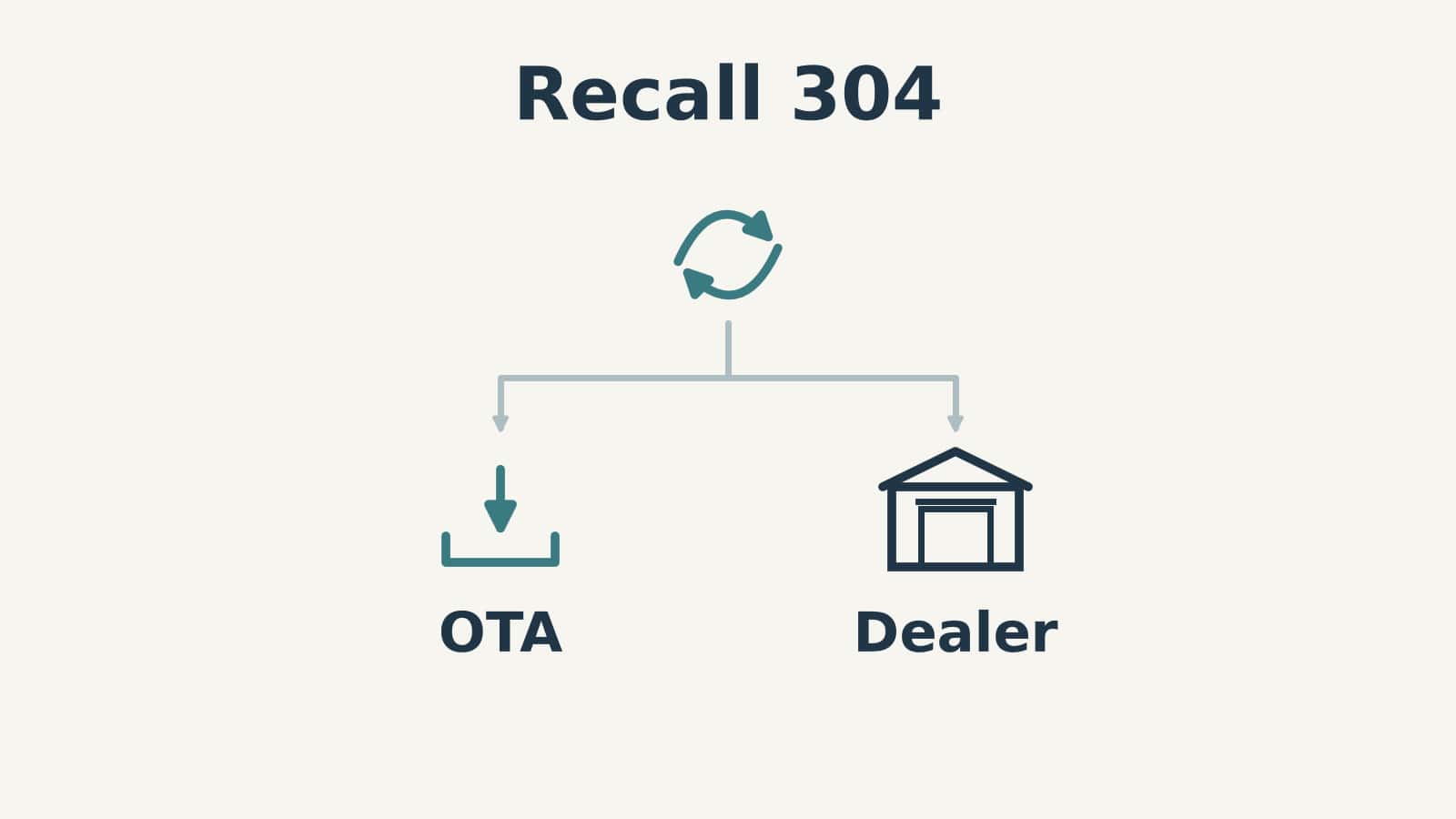
Hyundai’s recall 304 owner advisory, checked October 17, says OTA reception requires an active Bluelink subscription. If the vehicle cannot receive OTA, lacks the subscription or installation fails, Hyundai directs the owner to arrange a dealer update as soon as possible, at no charge.
It says the vehicle cannot operate during installation and requires safe parking and sufficient time. Follow the instructions applicable to the vehicle rather than reproducing the display problem. A downloaded file, an available prompt and completed installation are different states.
Use Hyundai’s vehicle record for the next step
The Hyundai campaign lookup accepts a 17-character VIN and covers safety recalls and service campaigns. It provides remedy information and an appointment route. That makes it a useful destination for checking the exact vehicle rather than deciding from the Tucson badge, model year or powertrain alone.
Use the VIN from the vehicle or its registration documents and identify Hyundai campaign 304 in the inquiry. Ask which remedy route applies and what record will show the work as complete. A campaign-specific response is more useful than a general statement that the vehicle’s software is current. Keep the dated completion paperwork with the vehicle’s records.
Understand what an open-recall search can show
NHTSA’s VIN recall guidance distinguishes an individual unrepaired-recall search from general year, make and model results. The VIN search does not display safety recalls already repaired. Some newly announced recalls can also be absent while VINs are being identified. A result therefore answers a narrower question than the vehicle’s entire repair history. Check again as VINs are added.
For a used Tucson, compare the current lookup with the campaign-specific service record instead of interpreting zero open recalls as proof of overall condition. Follow any interim guidance in the manufacturer’s notice and contact Hyundai about unresolved campaign status. The model-wide report and the individual vehicle record serve different purposes: one describes the action; the other helps establish what remains for that VIN.
0 comment(s) so far on Hyundai Tucson Recall 304: Software Update Released