

Honda Hybrid Tire Kit Recall Adds Safety Check
Recall update
Honda’s tire-repair-kit recall now includes an October 2026 follow-up involving replacement-part stock. Owners should check the current VIN status even if they remember the earlier campaign. Honda’s safety instruction is to keep an affected kit out of use until it is repaired; a roadside flat is not the time to test whether the bottle will release pressure correctly.
Updated October 15, 2026
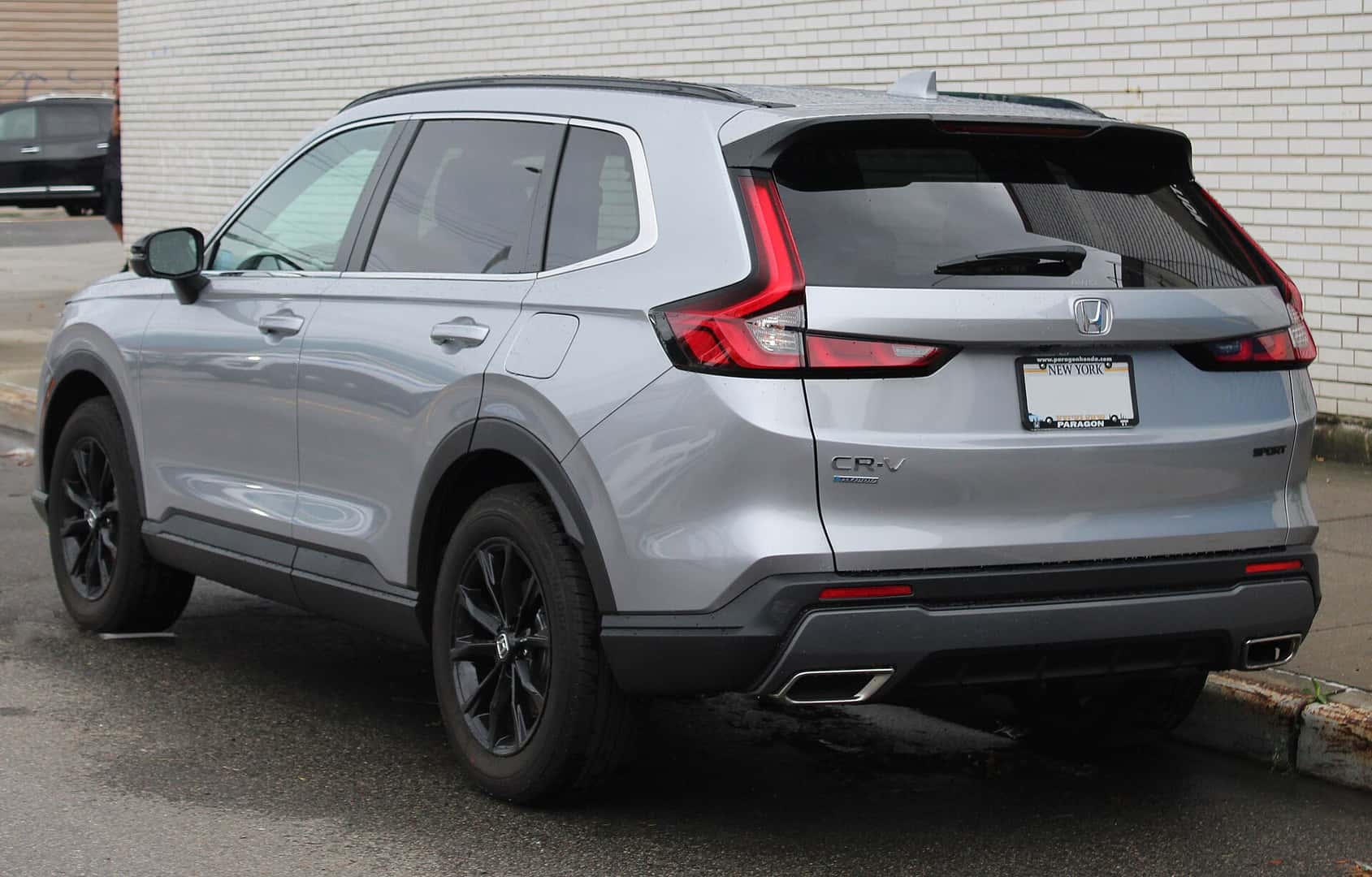

October update: a second campaign needs its own check
In its October 14, 2026 notice, Honda identified 4,804 potentially involved vehicles in a follow-up to the original tire-kit recall. The new campaign is NHTSA 26V663, Honda PPW.
The filing says pre-countermeasure parts were mixed with countermeasure parts in a supplier warehouse and incorrectly shipped. Some vehicles consequently received kits containing the earlier components. The remedy is to inspect the tire-repair-kit nozzle and replace it as necessary.
This makes the campaign number on the record important. A receipt for the earlier repair is useful history, but it should be checked against the current VIN result rather than treated as automatic clearance of the October campaign.
How the two recall populations differ
The original campaign, NHTSA 26V366 and Honda DOV, identified 1,049,883 potentially involved vehicles. The October campaign has its own smaller population and scope. These figures should not be added together as a count of distinct vehicles.
| Model | Original 26V366 filing | October 26V663 filing |
|---|---|---|
| Accord Hybrid | 2023–2026 | 2023–2026 |
| CR-V Hybrid | 2023–2026 | 2023–2026 |
| CR-V Fuel Cell EV / e:FCEV | 2025–2026 | 2025 |
The overlapping model years do not make the campaigns interchangeable. The October filing includes one 2025 fuel-cell vehicle, alongside specified Accord Hybrid and CR-V Hybrid vehicles. Neither a badge nor the appearance of the compressor determines whether an individual kit or vehicle is included.
What can happen when the kit is used
Honda’s June 11, 2026 announcement describes the pressure concern. If the nozzle is not properly attached to the tire valve and the relief valve does not release pressure as intended, pressure can build in the sealant bottle and its cap can detach, increasing injury risk.
The issue concerns the kit’s pressure-control components. It is not a diagnosis that the hybrid battery, tire-pressure monitor or vehicle’s tires are defective. Correct tire pressure and tread checks remain separate maintenance tasks; they do not establish that a recalled kit is safe to operate.
Do not run an affected kit as a demonstration, deliberately loosen its connection or attempt a homemade pressure-release modification. The manufacturer’s repair path is the appropriate way to address the recalled nozzle or bottle.
What to do before relying on the kit
Honda’s June notice expressly told owners not to use affected kits until repaired. It directed owners experiencing a flat before repair to Honda Roadside Assistance at 866-864-5211. The notice also described temporary extended tire-related roadside coverage with conditions; confirm the current coverage for the vehicle rather than assuming every roadside service is complimentary.
Check the VIN through Honda or NHTSA’s recall lookup and ask an authorized Honda dealer about both applicable campaigns, the kit currently fitted and the correct repair status. Keep the vehicle’s own roadside instructions available. Use assistance rather than improvising with a kit that has not been cleared.
Notification dates are not completion records
The original filing scheduled interim owner notification for July 27, 2026. The follow-up filing scheduled customer notification for November 16, 2026. Those are the respective filed plans; neither date establishes current parts stock or proves that a particular vehicle has received the remedy.
NHTSA notes that recently announced campaigns may take time to populate all VIN results. If the new notice appears relevant but the result is unclear, ask Honda about the exact VIN and retain the answer with the dated lookup. After repair, keep the campaign-specific repair order, including any inspection or replacement recorded for the kit. A generic service receipt does not answer the same question.
0 comment(s) so far on Honda Hybrid Tire Kit Recall Adds Safety Check