

Ford Explorer Engine Recall Adds Long-Block Repair
Recall explained
Ford recall 26S35 calls for a long-block engine replacement on certain 2025–2026 Explorer, Ranger and Bronco vehicles with the 2.3-liter engine. The current federal record still anticipates remedy availability in November 2026. That is a planned next stage, not confirmation that every affected vehicle can receive its replacement immediately.
Updated October 16, 2026

A specific engine-assembly concern
Ford’s May 27 safety-recall filing describes an engine camshaft roller finger follower that may have been displaced during assembly. Incorrect installation can lead to engine failure, a no-start condition or loss of propulsion. A sudden loss of propulsion increases crash risk.
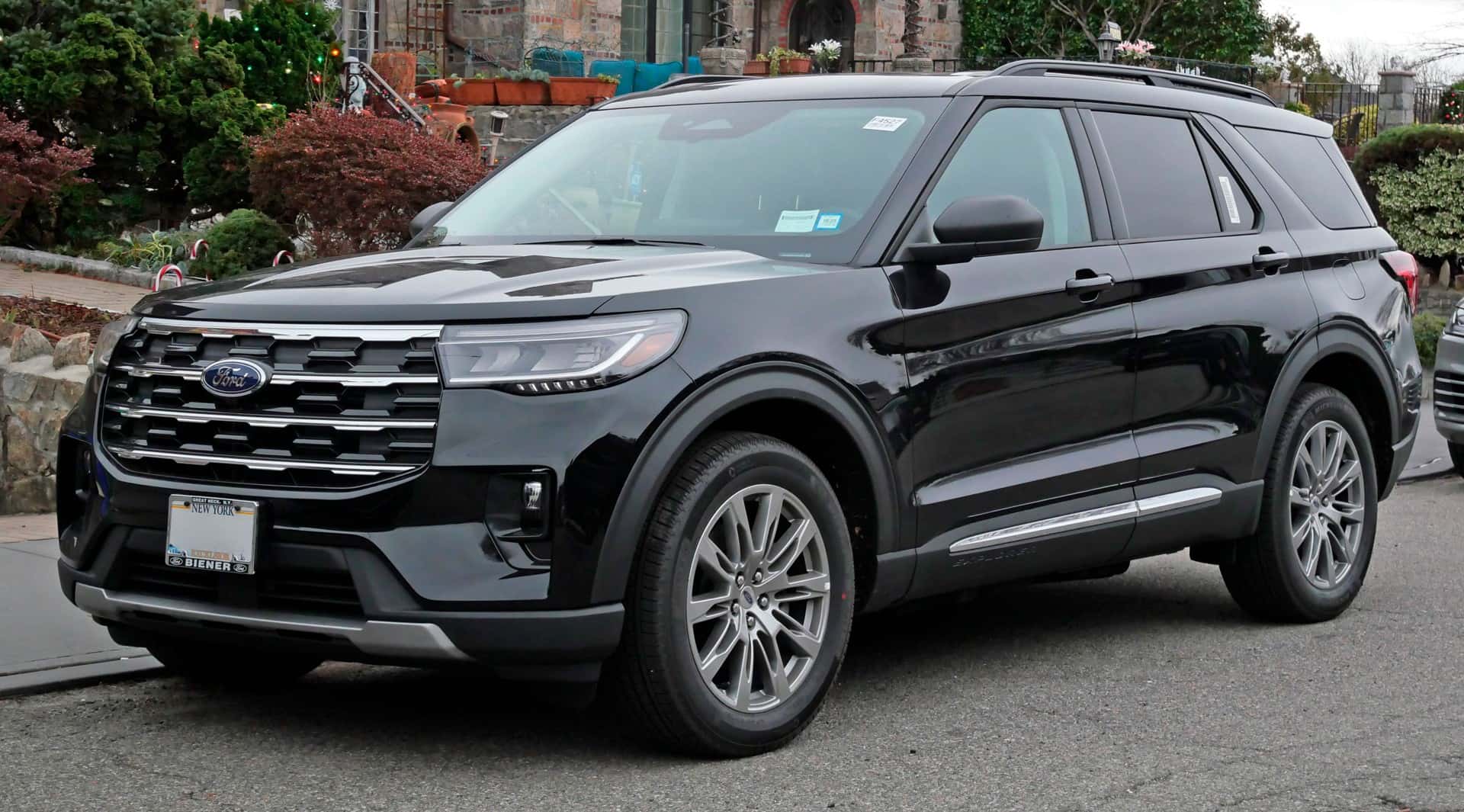
The filing identifies 1,536 potentially involved U.S. vehicles: 895 Explorers, 408 Broncos and 233 Rangers. Each listed model entry covers 2025–2026 vehicles with the specified 2.3-liter engine. This is not a recall of every engine offered in those nameplates or every vehicle built during those model years.
Ford used engine-production records to identify the population and says the vehicles were not produced in VIN order. A neighboring VIN, similar build date or matching engine badge cannot settle eligibility. The actual manufacturer record matters.
What the current notification record says
The current NHTSA entry for 26V343 reports interim safety-risk letters mailed June 5, 2026. It says additional letters will follow when the remedy is available, anticipated in November. Those are different milestones: an interim notice identifies the concern before the final repair process is ready.
| Information | Meaning for an owner |
|---|---|
| 26S35 / 26V343 | The manufacturer and federal identifiers for this engine campaign |
| June 5 interim letters mailed | Safety-risk notification; not proof of a completed replacement |
| November 2026 anticipated remedy | A reported plan; current arrangements must be confirmed for the VIN |
| Long-block replacement at no charge | The listed campaign remedy for an included vehicle |
Ask Ford about the current instructions, repair availability and any transportation arrangements for the actual vehicle. The campaign record does not promise a particular appointment, replacement-unit delivery or loaner. If an interim letter and a later message differ, have the manufacturer identify which instructions now apply.
Warnings are not the eligibility test
The filing says engine ticking or tapping and a check-engine light may occur. These are possible warnings, not a required sequence that every affected engine will demonstrate. Their absence does not establish that the vehicle is outside the campaign, and an unrelated ticking noise does not prove this particular assembly fault.
Follow the vehicle’s instructions for any warning or loss of power. Do not keep driving to reproduce a noise or wait for an engine failure to establish recall eligibility. When contacting Ford, distinguish a symptom already experienced from a question about an open campaign.
Keep the repair evidence specific
Use Ford’s recall lookup and the NHTSA VIN search. NHTSA’s VIN result concerns unrepaired safety recalls; it does not display completed campaigns or every item in a vehicle’s service history. No individual VIN was submitted for this article.
If a seller or service record says the engine has already been replaced, reconcile that work with 26S35 rather than assuming the campaign is closed. Retain the repair order identifying the VIN, campaign and completed long-block work. A generic engine-service entry, a booked appointment and a campaign-specific completed replacement establish different things.
0 comment(s) so far on Ford Explorer Engine Recall Adds Long-Block Repair