

Honda And Acura Seat Sensor Recall Expands VIN Checks
Recall explained
Honda’s 2026 seat-weight-sensor recall concerns how the front passenger air bags respond to the person in that seat. A damaged sensor can allow deployment for a small occupant whose air bags should be suppressed. Owners and shoppers should check the vehicle’s VIN against campaign 26V332 rather than decide eligibility from the model name or an air-bag warning light.
Updated October 15, 2026

The 2026 campaign expands an earlier population
Honda’s May 2026 filing identifies NHTSA campaign 26V332 and 98,892 potentially involved U.S. vehicles. It relates to the earlier 24V064 campaign. The filing describes additional affected vehicles identified through production and service-part records; it does not mean that every Honda or Acura within a broad year range is recalled.
An earlier repair receipt is useful, but it should be matched to its campaign number. Do not assume that a service entry mentioning an air-bag sensor settles the vehicle’s current recall status. Ask the manufacturer or an authorized Honda or Acura dealer to check the exact VIN and explain any open campaign.
Why the sensor matters
In its May 29, 2026 recall summary, Honda describes a circuit-board capacitor that can crack and short when exposed to humidity. In a crash, the fault can permit the front passenger frontal and knee air bags to deploy for an occupant whose size calls for suppression, increasing injury risk.
This is a passenger-classification issue. Treating the concern as simply an air bag that will not inflate misses the reported failure mode. It also cannot be diagnosed by placing an object on the seat or checking whether one dashboard lamp happens to illuminate.
The listed years are a starting point for a VIN check
| Model | Model years listed for certain vehicles |
|---|---|
| Honda Accord | 2016–2022 |
| Honda CR-V Hybrid | 2020–2022 |
| Honda Odyssey | 2018–2026 |
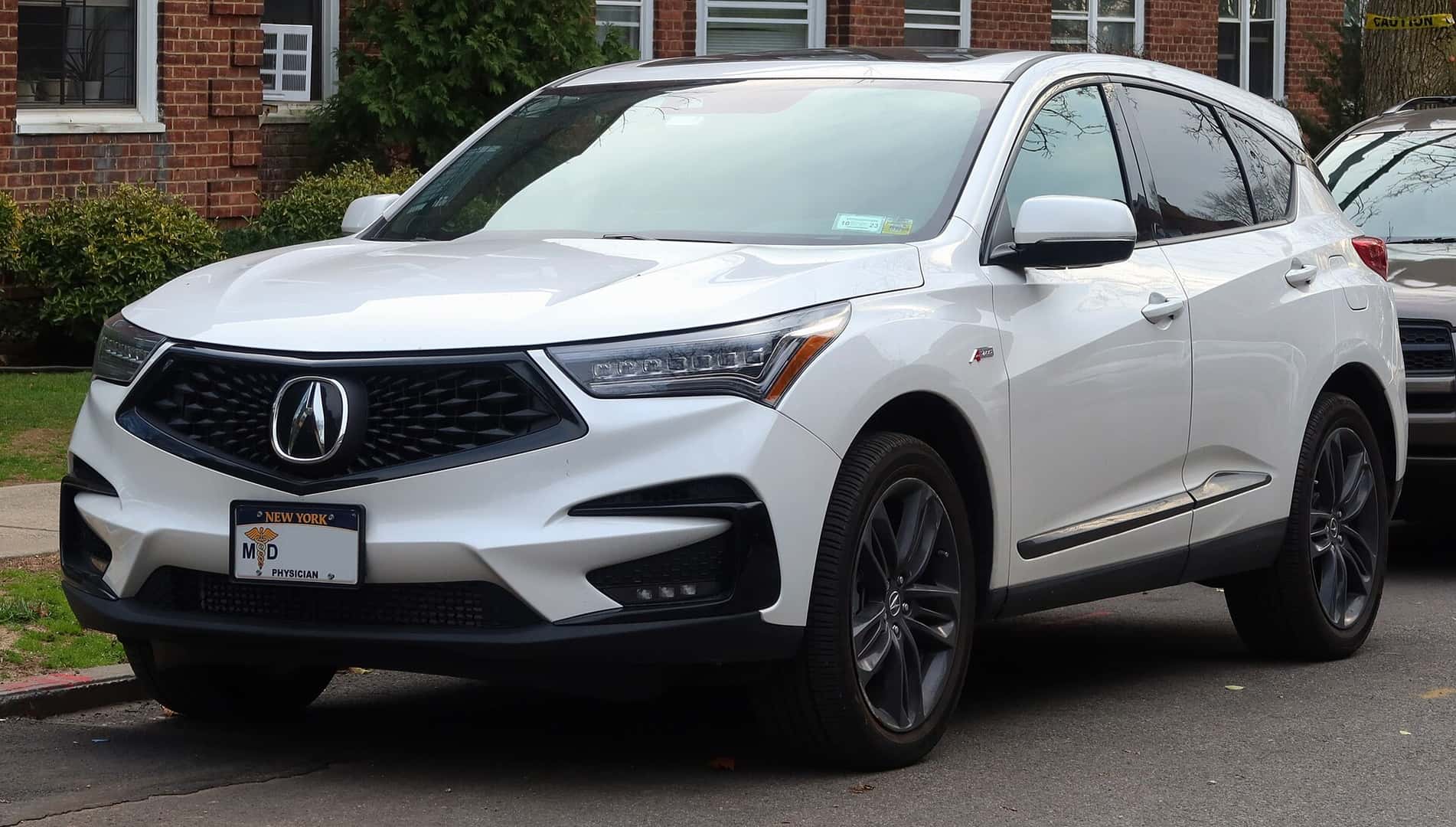
| Acura RDX | 2019–2024 |
| Acura MDX | 2017–2020 and 2022–2026 |
The full filing includes other Honda and Acura models and separate year groups. Read the exact entry instead of filling a gap between years or applying one body style’s range to every version. The service-part history is another reason that a model-year list cannot replace a current VIN lookup.
What the remedy and notification dates mean
The filed remedy is replacement of the seat-weight sensor with a non-defective part. The May report scheduled owner notification for July 6, 2026. That is the historical notification plan, not confirmation that a particular dealer has the required part today or that an individual vehicle has already been repaired.
Use the current VIN result to arrange the recall repair and confirm the applicable instructions, parts availability and appointment with an authorized dealer. NHTSA’s recall guidance explains that owners should follow the manufacturer’s interim instructions and receive the recall remedy without charge. A routine service visit or unrelated repair does not establish completion of this campaign.
Keep a current result and the completion record
Search the 17-character VIN through NHTSA or the manufacturer. NHTSA distinguishes a VIN result for unrepaired recalls from a general year/make/model search. Its tool does not display already repaired campaigns and can omit recently announced campaigns while VIN identification is being completed.
Save the lookup date and campaign number with the vehicle’s records. After the work, retain the repair order identifying the completed campaign and ask about anything still open. For a used-car purchase, those documents answer a more precise question than a listing that says only “recalls checked.”
Continue to follow the vehicle’s seating and restraint instructions. NHTSA’s air-bag guidance says children under 13 belong in the rear seat and that air bags supplement seat belts. An open-recall question calls for the manufacturer’s instructions, not a homemade sensor bypass or an improvised way to switch off the restraint system.
0 comment(s) so far on Honda And Acura Seat Sensor Recall Expands VIN Checks