

Tesla Camera Recall 26V283: Models, Software and Remedy
Vehicle Recalls
Updated October 16, 2026
Tesla’s rearview-camera recall 26V283 concerns a software delay after the vehicle wakes. Certain Model 3, Model Y, Model S and Model X vehicles with Hardware 3 could show a blank rearview image for up to 11 seconds if shifted into reverse during that interval. Tesla’s remedy is software version 2026.8.6.1 or a later release, rather than a campaign-wide camera replacement.
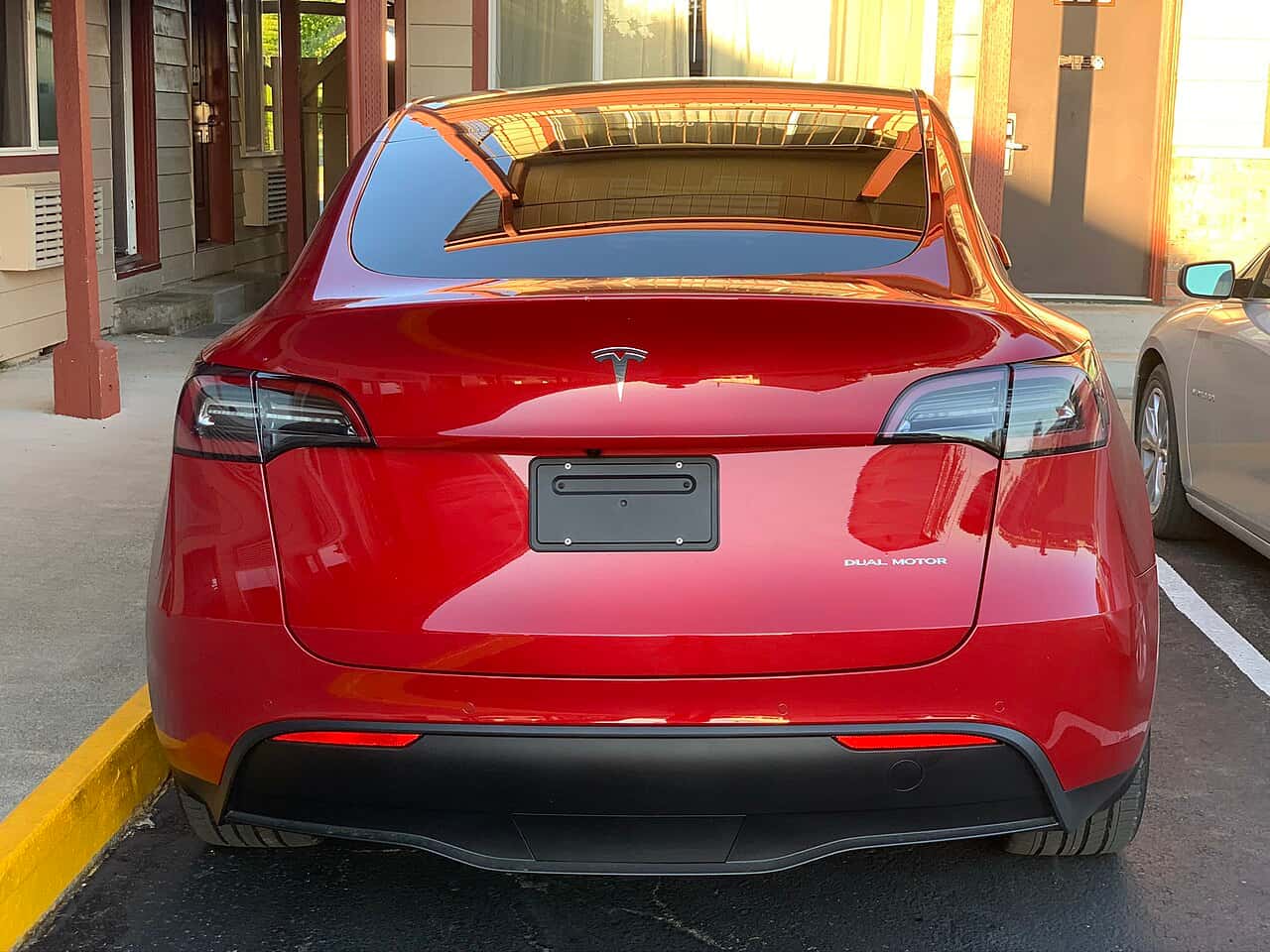

Which Teslas are included?
The manufacturer’s May 4, 2026 filing lists 218,868 potentially affected U.S. vehicles. The model-year groups below are only the first part of the scope: the filing also specifies Hardware 3 and vehicles that are or were running the affected software.
| Model | Listed model years |
|---|---|
| Model 3 | 2017 and 2021–2023 |
| Model Y | 2020–2023 |
| Model S | 2021–2023 |
| Model X | 2021–2023 |
A model name or matching year does not establish whether a particular car is included or whether its remedy is complete. The 218,868 figure is the campaign’s potential population, not a count of cameras that have physically failed.
What causes the missing image?
Tesla identified the condition in software release 2026.8.6. On affected vehicles, a software configuration can temporarily prevent camera streams from reaching the vehicle’s media control unit after power-up. If the driver selects reverse during that period, the rearview image may remain blank.
The delay matters because the camera image supplies a view behind the vehicle during a reversing maneuver. NHTSA says a delayed image reduces that view and increases crash risk. The filing identifies a failure to meet the federal rear-visibility standard; it does not describe a worn-out camera that every owner must replace.
The update preceded the mailed notice
Tesla’s chronology says engineers found the condition on April 10, halted further release of 2026.8.6 that day, and sent the corrective 2026.8.6.1 update over the air on April 11. The company made its recall determination on April 27 and filed its report on May 4.
NHTSA’s May 5 acknowledgement originally said owner letters were expected on July 3. The current campaign record, checked October 16, says the letters were mailed July 3, 2026. The notification date and the software-release date describe different steps.
Confirm the installed remedy
The manufacturer’s remedy statement says no further action is necessary for this recall when an affected vehicle is equipped with software 2026.8.6.1 or a later release. That is a specific version requirement, rather than an instruction to replace the camera or arrange routine maintenance.
For a car you own or are considering buying, compare its installed software information and VIN-specific recall status with that requirement. An update being offered, scheduled or mentioned in an advertisement is different from evidence that it was installed. If those records disagree, ask Tesla to reconcile the software and campaign status for that VIN.
A rearview image appearing normally on one occasion does not document the installed version. Conversely, a camera concern after the specified update needs its own assessment; this campaign does not establish the cause of every blank or delayed Tesla camera image.
0 comment(s) so far on Tesla Camera Recall 26V283: Models, Software and Remedy