

Ford F-150 Recall: What Used Truck Owners Should Know
Recall 26S28 / 26V237
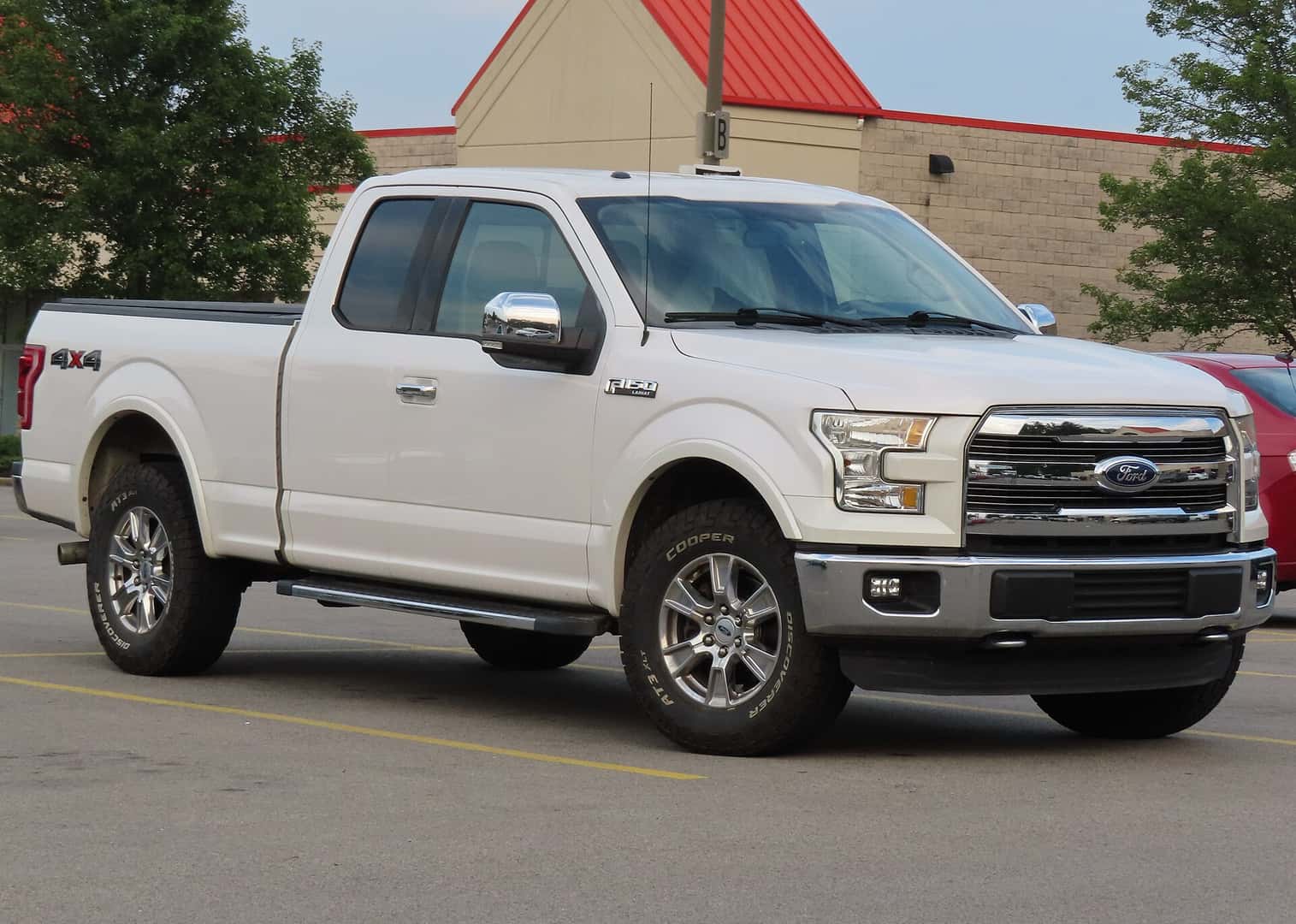
This guide covers Ford campaign 26S28, also identified as NHTSA recall 26V237, for certain 2015–2017 F-150 pickups with six-speed automatic transmissions. It concerns an unintended downshift into second gear. Check the actual VIN and current recall instructions rather than treating the model year as a complete answer.
Updated October 15, 2026

Which recall does this article cover?
| Item | Recorded scope |
|---|---|
| Ford campaign | 26S28. |
| NHTSA campaign | 26V237. |
| Vehicle population | Certain 2015–2017 F-150 pickups with six-speed automatic transmissions. |
| Production period in the filing | March 12, 2014, through August 18, 2017. |
| Potentially involved population | 1,392,935 vehicles; a particular truck still requires a VIN check. |
Ford’s Part 573 report identifies the affected transmission and production population. A similar badge, engine or year on another truck does not establish inclusion in this campaign.
What is the downshift concern?
NHTSA’s campaign acknowledgement describes a loss of signal between the transmission range sensor and powertrain control module that can cause an unexpected shift into second gear. The resulting change can cause loss of vehicle control and increase crash risk.
A truck’s current behavior does not substitute for its recall status. Nor does a shift complaint identify this particular defect: it needs the vehicle’s own diagnosis. If an operating concern occurs, follow the vehicle’s warning instructions and seek appropriate assistance rather than trying to reproduce a downshift on the road.
What remedy is described?
NHTSA identifies a powertrain control module software update at no charge for the covered recall. Ford’s filing also describes a conditional lead-frame replacement route under the corresponding extended warranty program when specified related codes were recorded before the software update. That is not a promise to replace every transmission or cover an unrelated shifting repair.
Give the authorized Ford retailer the VIN and campaign number. Ask what action the current vehicle record calls for, whether a remedy appointment can be booked and what records they need. Obtain the completed repair order afterwards; a statement that a truck was serviced is less specific than documentation identifying the recall work.
The original mailing schedule is historical
The April filing planned interim owner letters for April 27–May 1, 2026, and remedy letters for July 13–17, 2026. Those were planned notification dates, not a current appointment or parts-availability confirmation. This article was reviewed on October 15, 2026; confirm the current action for the VIN instead of waiting for those dates or assuming that every owner has received a letter.
Use the VIN result for the question it actually answers
The NHTSA recall lookup distinguishes a VIN search from a year/make/model search. The first addresses unrepaired recalls associated with the vehicle; the second provides broader model information. NHTSA also explains that its VIN result does not display a recall already repaired and may not yet include every VIN in a newly announced campaign.
Keep the date of the lookup and the exact campaign information with the vehicle records. If the result and seller’s paperwork leave a question unresolved, ask the retailer to reconcile them. A screenshot with no open recalls is useful at that point in time, but it is not a complete maintenance history or a mechanical-condition report.
For a purchase, resolve the recall plan before delivery
Ask who will confirm the VIN, arrange any required work and provide the completion paperwork. If the work is not yet documented, establish the next step and follow the current manufacturer instructions. Do not use a generic promise to address it after purchase as a substitute for that plan.
Review transmission service invoices and any reported symptoms separately from recall completion. A completed campaign answers a specific recall question; it does not establish that an older truck has no other transmission, towing-equipment or maintenance concerns.
0 comment(s) so far on Ford F-150 Recall: What Used Truck Owners Should Know