

Auto Headlights Not Working? Check These Differences
Lighting explained
When automatic headlights stay dark, check which lighting function is missing. Daytime running lights, manual low beams and automatic high beams work differently. Separating them is more useful than immediately blaming a sensor or bulb.
Updated October 15, 2026
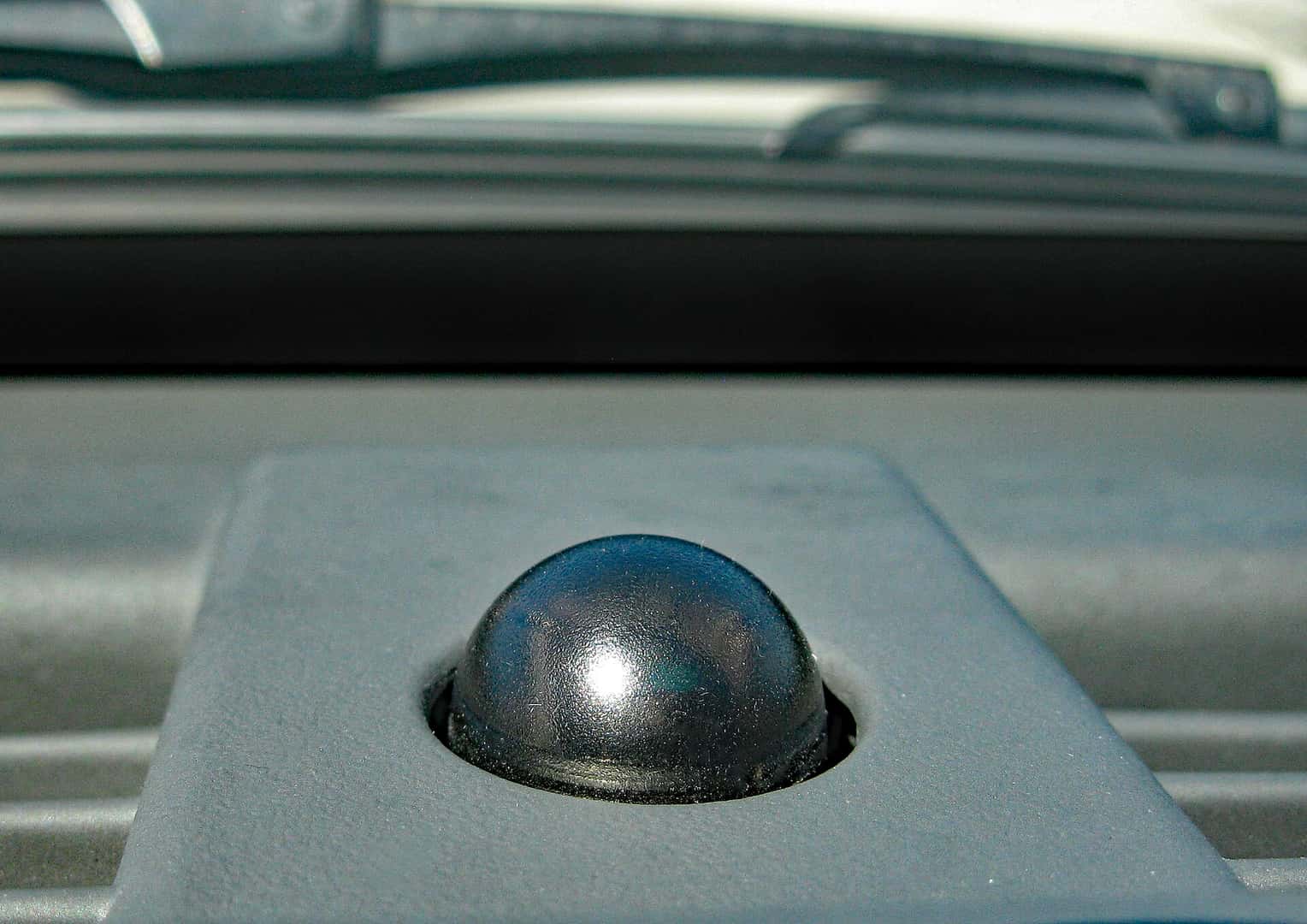

Make the comparison while safely parked. Use the lighting controls described in the owner’s manual and check what actually illuminates at the front and rear. A bright dashboard or light visible at the front does not establish that the nighttime lighting is working.
Start with the manual low beams
The first useful distinction is whether the low beams work when selected manually. If they do, the lamps can illuminate; the automatic settings, conditions or controls still need checking. If they do not, the complaint extends beyond automatic mode.
| What you observe | What to tell the repair shop |
|---|---|
| Manual low beams work, but automatic mode does not | Describe the switch setting, daylight or darkness, and how long you waited. |
| One low beam stays dark in manual mode | Identify the side and whether its daytime lamp or high beam still works. |
| Both low beams stay dark in manual mode | Note other exterior-light operation and any warning message. |
| Low beams work, but high beams do not switch automatically | Separate the high-beam assistance complaint from low-beam operation. |
These patterns narrow the description, not the failed component. They do not establish whether the cause is a bulb, wiring, switch or control module. If the lights cannot provide adequate visibility, stop safely instead of continuing a road test. High beams are not a substitute for failed low beams.
Daytime lights do a different job
The 2024 Honda Prologue manual, pages 113–114, describes its daytime-running-light function separately from the automatic headlamp system. In that vehicle, the daytime function does not activate the taillamps and specified other lighting.
Other models can handle rear lighting differently. Check the manual’s symbols and the actual lamps rather than carrying one vehicle’s behavior over to another. The practical question at dusk is whether the appropriate front and rear lights are on, not whether something on the dashboard looks illuminated.
A sensor needs a clear view of the light
Locate the ambient-light sensor using the vehicle’s manual. Honda places the Prologue’s sensor on top of the instrument panel and says not to cover it. A loose item can be moved while parked; there is no need to dismantle the sensor or conduct a driving test with it covered.
Timing can explain some unexpected behavior. The Prologue manual describes a delay when changing from a dark garage to daylight. It also explains how the exterior lamps respond to wiper use. Ford’s EcoSport guide gives its own wiper-related conditions and adjustable exit delay.
There is no useful universal waiting period for every car. Compare the observed delay with the manual and selected settings. In fog or other low visibility, select the appropriate lighting yourself rather than waiting for automation; Ford’s guide specifically notes that intervention may be necessary.
Automatic high beams add another set of conditions
High-beam assistance can respond to traffic, ambient light, speed and camera visibility. Ford’s high-beam guidance describes those limitations and the driver’s responsibility to override the system when needed.
If this is the function that concerns you, note any camera-obstruction message and recent windshield work. Clean the windshield as instructed, but do not treat cleaning as proof that a camera or lighting fault has been repaired. Manually selected low beams are a separate check.
Check the lamp type before buying a replacement
A dark headlight does not always mean a conventional replaceable bulb. Honda’s 2026 CR-V Hybrid manual identifies LED headlights and directs owners to professional inspection and light-assembly replacement. The correct repair depends on the fitted equipment.
Bring the parked observations and recent repair history to the appointment. Ask the technician to demonstrate the lighting modes that failed and explain the finding behind the repair. Before returning to night driving, confirm that the required front and rear lighting works.
0 comment(s) so far on Auto Headlights Not Working? Check These Differences