

Used Car Inspection Checklist: 10 Things to Check Before You Buy
Used-car buying
A useful used-car inspection starts with a record of the exact vehicle: what you saw, what you tried and what still needs an answer. These ten checks help you organize a visit and give an independent mechanic better questions. They cannot certify a car’s condition.
Updated October 15, 2026

Before you start
Arrange a daylight visit with enough time to look at the car while parked. Ask whether an independent inspection can be scheduled before the purchase. The FTC recommends an independent mechanical inspection even when a dealer has already inspected or certified the vehicle. A history report and a short test drive answer different questions.
Keep the visit observational. Do not crawl under an unsupported vehicle, open a hot cooling system, remove covers or touch hybrid or EV high-voltage components. Ask a technician to investigate anything that requires lifting, disassembly or diagnostic equipment.
Ten checks to make before buying
- Match the vehicle’s identity. Record the VIN, stock number and odometer reading. Compare the VIN visible on the vehicle with the listing, history report and sale documents. Resolve a mismatch before proceeding.
- Read the history in sequence. Compare reported mileage and service dates; note title brands, damage entries and gaps you want explained. An empty section does not establish that an event or repair never happened. Ask for available records rather than treating a report as a complete mechanical history.
- Check recalls by VIN. Use NHTSA’s recall lookup and save the result and date. Its VIN search has limits, including some recently announced recalls, older campaigns and non-safety service campaigns. Ask the manufacturer about unresolved questions and follow any interim safety instructions.
- Walk around the body. Note dents, rust, cracked glass, paint differences and panel gaps. Look inside the trunk or cargo area for dampness or stains. These observations call for an explanation; they do not establish the cause or quality of a repair.
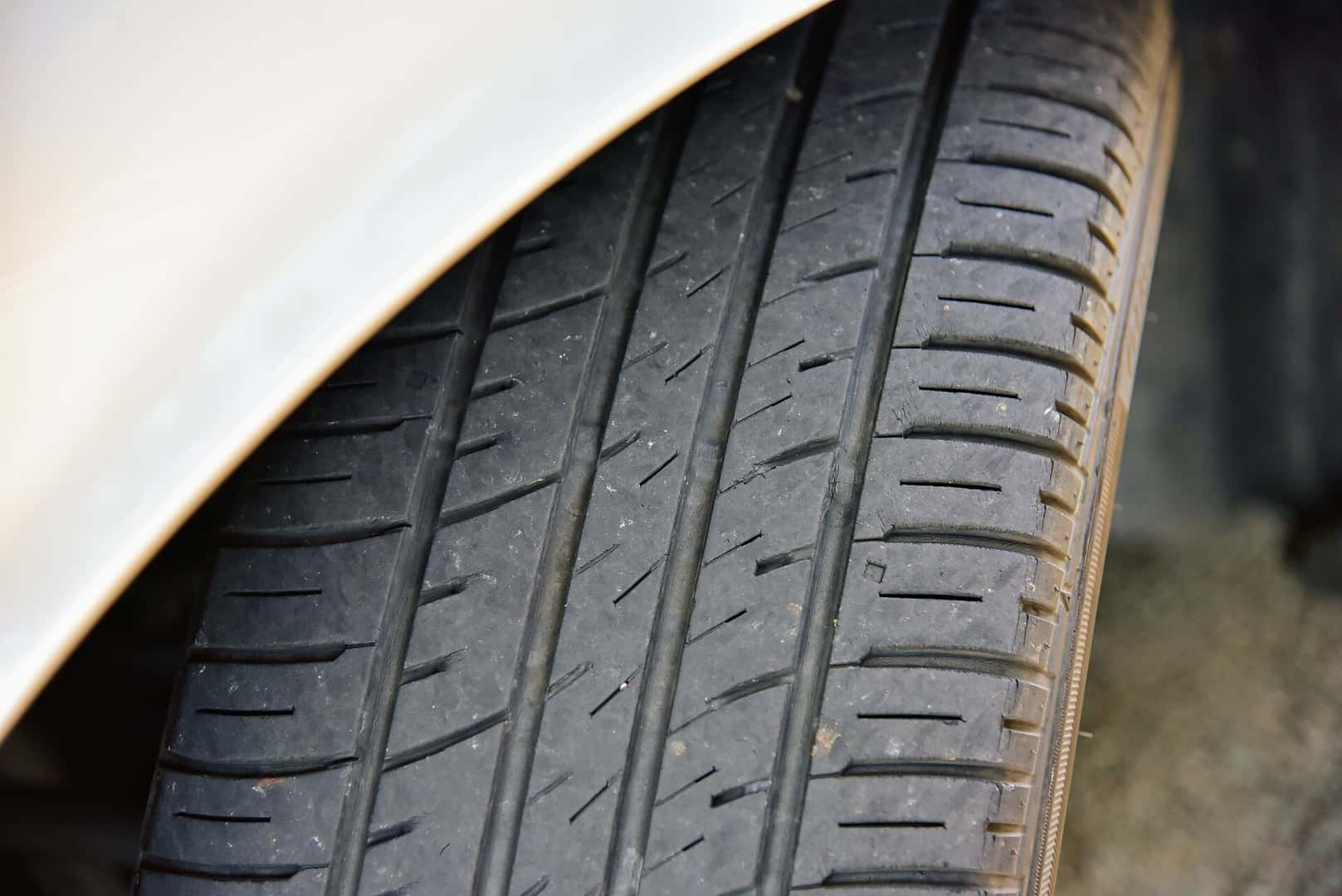
- Look at each tire. Record visible damage, uneven wear and the tire sizes. Ask for tread measurements and a condition assessment. Use the vehicle’s placard and manual for the specified size and pressure; the pressure molded on a tire is not the vehicle’s recommended setting. NHTSA’s tire guidance explains these checks.
- Ask to see the engine compartment and underside. From a safe position, note visible stains or wet areas and ask what they are. A technician can distinguish old residue from an active leak and assess corrosion, brakes and suspension on a lift. Fluid color alone is not a diagnosis.
- Read the dashboard messages. Record the exact wording, symbol and when it appears. Ask the seller to explain it using the correct owner’s manual. Do not clear codes, disconnect a battery or assume the absence of a warning light proves the vehicle has no faults.
- Try the features while parked. Check seats, belts, windows, locks, climate controls, lights, cameras and the advertised phone connection. Bring your own phone and cable if connectivity matters. Verify the feature exists and operates; a badge or generic VIN decode does not establish every option.
- Take a normal test drive. Agree on a safe, legal route. Notice comfort, visibility, ordinary acceleration, steering and braking. Record when a noise or vibration occurs rather than naming the failed part. Do not deliberately trigger emergency braking, lane intervention or loss of traction to test a safety system. Stop the drive if the car seems unsafe.
- Reconcile the findings with the paperwork. Read the Buyers Guide for the stated warranty or as-is terms. Get material repair promises in writing. Compare the exact vehicle and included equipment with the purchase documents before signing.
A worksheet to save or print
Use your browser’s Print command to keep this page, or copy the fields below into a note. Write “not checked” when you could not verify something; a blank field should not become an assumed pass.
| Record | Your notes |
|---|---|
| Date, year/model, VIN, mileage | ________________________________ |
| History and recall questions | ________________________________ |
| Body, glass, tires and interior | ________________________________ |
| Features tried / not checked | ________________________________ |
| Noise, message or vibration; when it occurred | ________________________________ |
| Mechanic’s findings and repair estimate | ________________________________ |
| Written answers and unresolved items | ________________________________ |
Turn observations into an inspection request
“A vibration during ordinary braking after ten minutes of driving” gives a mechanic more to work with than “bad rotors.” Share the log, history report and specific concerns. Ask for written findings tied to the VIN, an estimate for necessary repairs and a distinction between immediate concerns and future maintenance.
Then compare those findings with what the seller has agreed to address. If an important issue remains unresolved, settle that question before committing to the vehicle.
0 comment(s) so far on Used Car Inspection Checklist: 10 Things to Check Before You Buy