

Craig & Landreth vs. CarMax: Compare the Car and the Terms
Used-Car Buying
Updated October 16, 2026
The useful comparison between Craig & Landreth and CarMax starts with two specific vehicles and two written offers. A seller’s size, a familiar brand or an inspection checklist cannot establish which car is the better purchase. Price, condition and the terms that apply after delivery need separate answers.
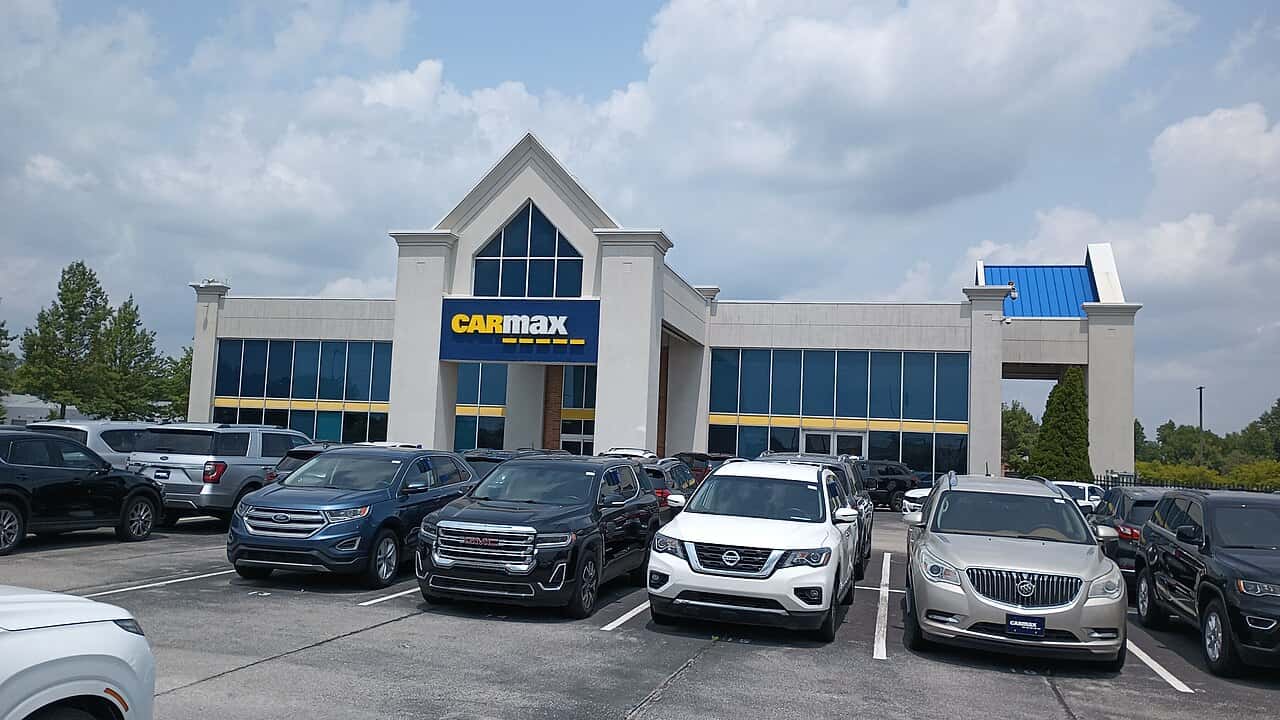

Start with the car, then compare the offer
Use the VIN to keep each vehicle’s mileage, equipment, history and inspection findings attached to the correct offer. Two cars with the same model name can have different options, previous repairs and remaining maintenance needs. Comparing their advertised prices alone leaves those differences unresolved.
CarMax describes its pricing and purchase process as no-haggle. That tells you how it sets a selling price; it does not establish the lowest total purchase cost. Compare the written out-the-door amount for the actual car, with fees and any selected products identified separately.
| Question | CarMax’s published information | What to establish for a Craig & Landreth vehicle |
|---|---|---|
| How is the price presented? | No-haggle selling price; taxes, title, registration and applicable fees are additional. | The written vehicle price and itemized out-the-door total for that VIN. |
| Can the purchase be returned? | A 10-day return policy, subject to its conditions. | The actual written return or cancellation terms, if offered; do not assume another seller’s policy applies. |
| What repair coverage is included? | A 30-day limited warranty in its general description, with longer state-specific terms. | The vehicle’s Buyers Guide and actual warranty documents, including coverage, duration and exclusions. |
| What has been inspected? | CarMax publishes an inspection process. | The completed inspection findings, repairs performed and items still needing attention. |
A return window and a warranty do different jobs
CarMax’s return FAQ says the car must be in condition consistent with its purchase and returned to the store where it was bought. If the purchase financed trade-in negative equity, the FAQ says that balance must be repaid or financed with a different vehicle, subject to approval. Shipping charges are generally separate and nonrefundable, with stated California exceptions. A return policy should therefore be compared using its conditions as well as its number of days.
CarMax’s April 29, 2026 process article lists 60-day/3,000-mile limited coverage in Connecticut, Minnesota and Rhode Island, and 90-day/4,000-mile coverage in Massachusetts, New Jersey and New York; in each case, whichever limit is reached first. Its optional MaxCare plan is separate from the included limited warranty. Use the documents for the actual purchase to establish which coverage applies.
Inspection evidence matters more than the checklist label
The Federal Trade Commission’s used-car guidance distinguishes a history report from a mechanical inspection and recommends an independent inspection even when a dealer has inspected or certified the car. It also recommends a written report identifying the make, model and VIN. This gives a comparison something concrete: findings about the car being considered.
For either seller, ask which reported concerns were repaired and which remain. An inspection count alone does not answer whether a particular tire, brake component or fluid leak needs attention. Keep the report with the repair documentation instead of treating a process description as a guarantee of condition.
Compare financing separately from the seller’s name
A cash purchase comparison and a financed purchase comparison use different totals. The CFPB’s Truth-in-Lending explanation identifies APR, amount financed, finance charge and total payments as distinct figures. Compare those alongside the term and down payment. A lower monthly payment can accompany a larger financed balance or more payments.
The stronger offer is the one whose actual car, written costs and applicable terms fit the buyer’s needs. Neither a national chain nor a local dealership’s name supplies those missing details.
0 comment(s) so far on Craig & Landreth vs. CarMax: Compare the Car and the Terms