

Volvo and NVIDIA Expand Partnership for Future Driving Technology
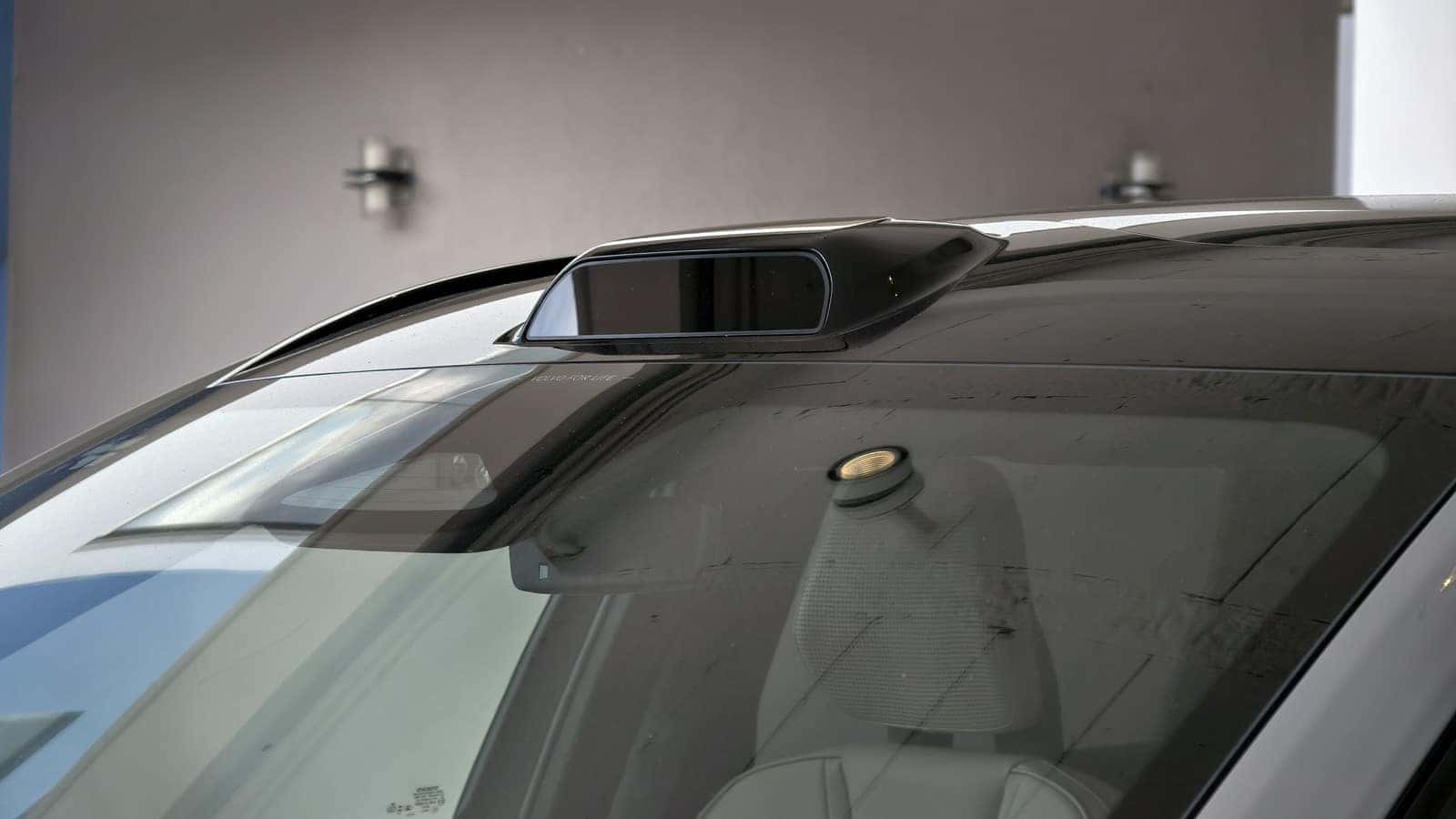

Volvo Cars says a next-generation vehicle will debut an expanded automated-driving system developed with NVIDIA. The announcement brings the companies’ decade-long partnership into a new phase, but it does not identify the car, give a launch date or spell out which functions customers will receive.
Three NVIDIA components, one future Volvo system
The Oct. 15 joint announcement names NVIDIA Hyperion, Halos OS and Alpamayo Stack, combined with Volvo’s vehicle systems and safety engineering. Volvo and NVIDIA describe a future system intended for a range of driving contexts, including highways, busy city streets and parking. They say their aim is to introduce eyes-off and mind-off driving gradually. Those words describe a long-term direction; they do not establish a feature available in a vehicle today.
NVIDIA’s May 31 Alpamayo release helps explain the software name. It describes a wider development toolkit for automated vehicles: AI models that reason about scenes and driving actions, simulation tools for testing decisions against uncommon road situations, and methods for training and deploying models. NVIDIA says simulation lets developers examine how sequences of steering, braking and navigation choices affect a virtual environment. That is a development process, not evidence that the Volvo system has passed a particular safety test or can handle every real-world situation. The same release focuses on Level 4 development in robotaxis; Volvo’s Oct. 15 announcement assigns no automation level to its planned car.
How that differs from earlier Volvo systems
Volvo already uses NVIDIA computing in production vehicles, but the company’s earlier descriptions concern different systems. In a Feb. 20, 2025 ES90 announcement, Volvo said the electric sedan uses two NVIDIA DRIVE AGX Orin computers to coordinate vehicle functions, including active safety features, sensors and battery management. Volvo also described the ES90 and EX90 as sharing its Superset hardware and software architecture. That shows the existing role of high-performance computing in a Volvo; it does not mean the 2026 partnership’s new driving software is already installed in those models.
The EX90’s earlier launch provides further history. Volvo’s Nov. 9, 2022 release described its sensor suite and a core system using NVIDIA DRIVE platforms alongside Volvo-developed software. Volvo then called the vehicle hardware-ready for possible unsupervised driving in the future. That historical wording should not be read as a statement that unsupervised driving is currently enabled in the EX90, nor as evidence that the new partnership will retrofit existing cars.
What shoppers still need to know
The Oct. 15 release leaves practical questions unanswered. It does not say where the planned system will operate, how the driver will be monitored, when a driver must take control, what regulatory approvals may be needed, or whether functions will differ by market or trim. It also does not promise an upgrade for current Volvo owners. NVIDIA’s broader platform material cannot fill in those Volvo-specific details.
For buyers, the next useful milestone is a named production vehicle with a clear feature list and owner instructions. Until Volvo publishes those details, the announcement signals a development plan rather than a capability shoppers can order or rely on. The eventual consumer value will depend on the system’s actual boundaries and how Volvo explains the driver’s responsibilities, not on the technology names alone.
0 comment(s) so far on Volvo and NVIDIA Expand Partnership for Future Driving Technology