

Toyota Recalls Certain 2026 RAV4 Plug-In Hybrids: How to Check a VIN

What Toyota announced
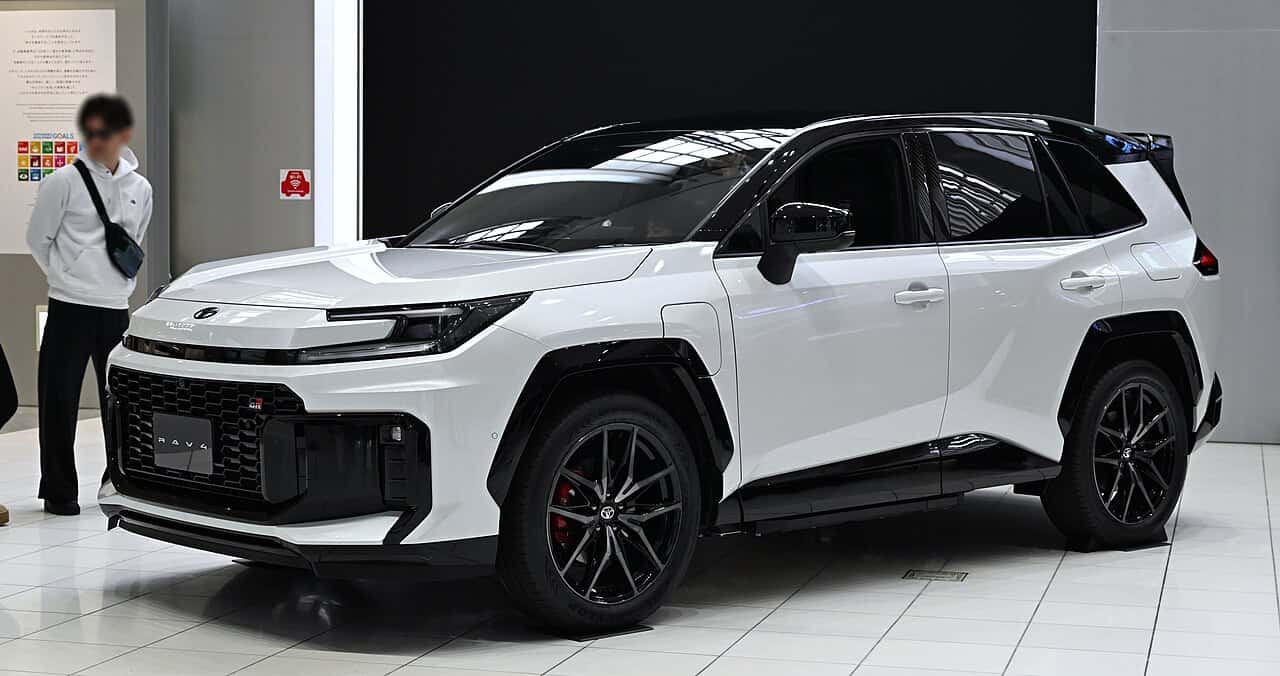
Toyota announced a safety recall on October 7, 2026, involving approximately 31,000 U.S. model-year 2026 RAV4 Plug-in Hybrid vehicles. The company says a fault may occur in an electronic control unit for the plug-in hybrid system. In an affected vehicle, the fault can cause the system to shut down while driving, potentially leading to a loss of motive power at higher speeds and increasing crash risk, according to the Toyota recall notice. The announcement applies to certain vehicles, so the model and year alone do not establish whether a particular SUV is included.
Toyota says its planned remedy is a software update to the affected ECU, performed by Toyota dealers at no cost to owners. Toyota expected to notify known owners by early December 2026. That is a future schedule stated in the notice, not confirmation that every owner has received a letter or that a repair is already available at a particular service department. Owners should follow current manufacturer guidance for their own VIN and confirm when the software update is offered.
Check the VIN, not just the model name
Use the 17-character VIN to check a specific vehicle through NHTSA’s recall lookup or Toyota’s recall and service-campaign lookup. NHTSA says its results can identify unrepaired recalls for a VIN or license plate, but some newly announced recalls may not yet include every affected VIN; records are added continuously. If an early search shows no open recall and you believe the vehicle may be involved, recheck later and contact Toyota with the VIN.
The VIN is usually visible at the lower driver-side windshield and also appears on registration documents. Avoid posting the complete number publicly. Give it directly to the manufacturer or a service provider when requesting a lookup. A year/make/model search can show general campaign information, but it is not the same as a VIN-specific eligibility result. NHTSA also notes that its lookup will not show a recall that has already been repaired, so keep the completed repair paperwork with the vehicle’s other records.
What an owner should do next
If a VIN check confirms an unrepaired recall, read the current instructions from Toyota and arrange the remedy through the Toyota channel identified in the notice. The October 7 release describes the risk and planned update but does not list an interim driving restriction, so do not infer a personal instruction that Toyota has not issued. Ask the manufacturer whether the remedy is available and whether specific guidance applies to that vehicle. Keep the lookup result and repair receipt so you can distinguish an announced campaign from a repair completed on your own vehicle.
For a vehicle being considered used, make the VIN check one step in a larger document review. Compare the VIN on the vehicle with the history report and title paperwork; the used-car inspection checklist explains other condition checks. You can also browse current used SUV listings when comparing vehicles, while remembering that inventory pages cannot determine whether a separate Toyota is recall-eligible.
Keep recall checks separate from routine service
A recall check answers whether a manufacturer has identified an open campaign for a particular vehicle. Routine maintenance checks items such as tires, brakes, fluids, and scheduled service; those are different tasks. If you need general maintenance information, Cooper Automotive’s service page describes its repair services, but the Toyota recall remedy itself should be confirmed and completed through Toyota as directed. This distinction helps owners avoid assuming an unrelated service visit has completed a recall campaign.
0 comment(s) so far on Toyota Recalls Certain 2026 RAV4 Plug-In Hybrids: How to Check a VIN