

2027 Lexus TX Drops Plug-In Hybrid: What Buyers Can Get
_(53626567768).jpg)
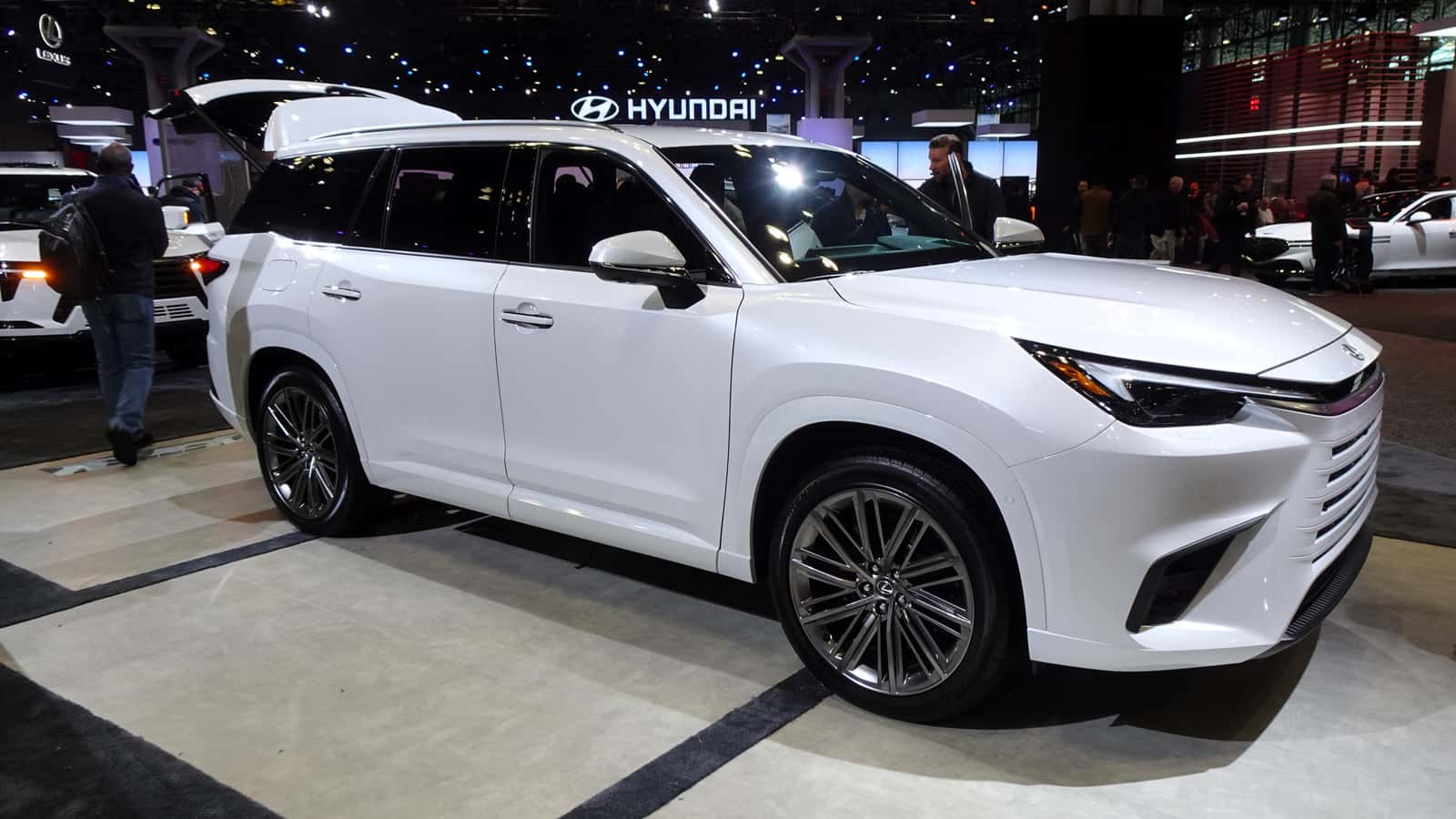
The 2027 Lexus TX will no longer offer a plug-in hybrid. Lexus confirmed October 16 that it is discontinuing the TX 550h+, leaving the three-row SUV with a gasoline TX 350 and a conventional-hybrid TX 500h.
For a family shopping around the possibility of electric commuting and gasoline-powered road trips in the same vehicle, that is the consequential change. Choosing the remaining TX hybrid does not preserve the outgoing plug-in model’s ability to take electricity from an external charger.
What remains in the 2027 TX lineup?
Lexus lists the TX 350 from $58,890 and the TX 500h F SPORT Performance Premium AWD from $72,410. Both figures include the $1,550 delivery, processing and handling fee. The official 2027 announcement also confirms that the TX 500h retains DIRECT4 all-wheel-drive technology, even though its exterior badges change to read AWD.
Other revisions include brake-system tuning on the TX 350, wheel-finish changes and available red brake calipers on F SPORT grades. Those details may help distinguish configurations, but none replaces the charging capability being removed with the TX 550h+.
Why the plug-in distinction matters
In its earlier guide to the 2026 plug-in lineup, Lexus described the TX 550h+ as a V6-based, all-wheel-drive model with 404 total system horsepower and a manufacturer-projected 33-mile electric range. That figure was a manufacturer estimate, rather than a promise of what every owner would achieve.
The distinction is about how energy reaches the vehicle as well as how it is used. The Department of Energy’s plug-in hybrid explanation describes a vehicle that can charge from an external power source and use stored electricity for driving, while retaining an engine for other conditions. Consistent charging is central to making use of that capability.
A conventional hybrid charges through its engine and regenerative braking, rather than plugging into an outlet. That can simplify ownership for a driver without a place to charge, but it is a different proposition for someone specifically seeking substantial electric-only travel from a regularly charged battery.
The right comparison therefore starts with the reader’s intended use. A shopper with reliable home charging and short daily trips may value plug-in capability differently from someone who parks on the street or primarily drives long highway journeys. A shared hybrid label is not enough to make those ownership patterns equivalent.
How to compare the remaining choices
Start by deciding whether external charging is a requirement. If it is, the 2027 TX lineup no longer supplies that option. If it is not, compare the actual equipment, purchase price and expected running costs of the gas and conventional-hybrid configurations on the same basis.
When comparing a plug-in alternative with a remaining TX model, separate electric range, gasoline MPG and electricity use. A large MPGe figure does not describe ordinary gasoline fuel economy. Our guide to reading PHEV MPG and MPGe ratings explains why the different parts of the label need to be considered together.
The announcement establishes the 2027 lineup change; it does not establish the availability of any particular older plug-in vehicle. For a new or used TX 550h+, verify the individual vehicle’s model year, equipment, condition and charging needs. For 2027 shoppers, the immediate takeaway is straightforward: the TX remains available with hybrid power, but its plug-in choice is gone.
0 comment(s) so far on 2027 Lexus TX Drops Plug-In Hybrid: What Buyers Can Get