

Transfer Case Warnings: Modes, Messages and Diagnosis
Ownership Guide
Updated October 16, 2026
A 4WD warning, a delayed mode change and binding in a turn describe different concerns. Start with the exact message and the fitted transfer case. The selector, road surface and tire setup can change what an observation means; they do not identify a failed part.
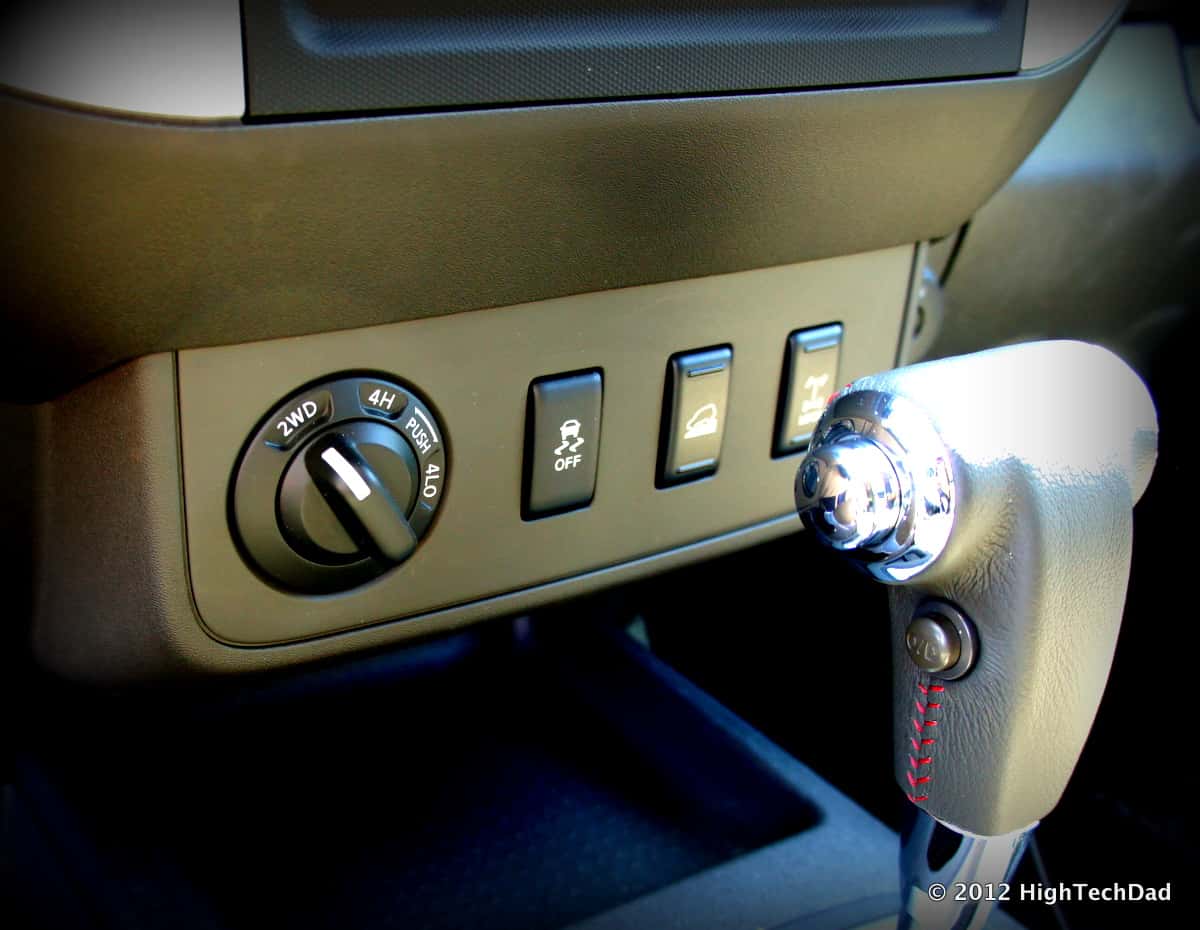
.jpg)
Read the message before naming a component
The 2024 Super Duty manual makes this distinction:
| Message | Ford’s explanation |
|---|---|
| 4×4 Shift in Progress | The system is making a shift. |
| Check 4×4 | A system fault is present; have the system checked as soon as possible. |
Ford says a fault can leave the system in its previously selected mode; it does not always default to two-wheel drive. The warning alone therefore establishes neither a broken transfer case nor that the truck has returned to 2H.
Why the hardware matters
Transfer cases are not all operated the same way. In an October 2024 technical announcement, BorgWarner describes an active design using a motor-applied clutch to vary front-to-rear torque distribution, alongside a separate part-time design. That explains why controls and engagement behavior belong in a diagnosis, rather than assuming every concern involves damaged gears. The announcement does not identify the equipment in a particular used vehicle.
Match the mode to the surface
Ford’s covered Super Duty system uses mechanically locked 4H and 4L; its manual prohibits those modes on dry, hard-surfaced roads. Using the wrong mode can create noise, tire wear and driveline damage. Binding on pavement needs that operating context before it becomes a parts-replacement conclusion.
The 2025 gasoline Wrangler manual describes different equipment. Its five-position transfer case permits 4H AUTO for normal dry-road use, while 4H PART TIME is for loose or slippery surfaces. A separate four-position case has different choices. Our AWD-versus-4WD comparison explains those architecture differences; the matching manual supplies the operating instructions.
Keep the tire and symptom history specific
Jeep notes that uneven tire wear, low or uneven pressures, loading and cold temperatures can delay shifts in its covered system. It also calls for equal tire size, type and circumference. Recent tire work or a dissimilar spare is therefore useful context, rather than evidence that an actuator needs replacement.
While parked, record the message verbatim, the indicated mode and what had already happened before the concern appeared. Note recent tire or drivetrain work and any noise or visible fluid. There is no need to recreate a tight turn, wheelspin or failed engagement to make that history useful.
What a useful inspection should resolve
A meaningful finding separates the requested mode from the verified system response and identifies the evidence behind any recommended repair. Ask whether the concern was traced to an operating condition, a control fault or a mechanical problem. A selector moving or one light changing is only one observation.
Jeep specifically warns against driving its covered Wrangler unless the transfer case is fully engaged. Follow the instructions for the exact vehicle and warning. Do not borrow another model’s low-range shifting or neutral-towing sequence to investigate an unresolved concern.
0 comment(s) so far on Transfer Case Warnings: Modes, Messages and Diagnosis