

AWD vs. 4WD: Modes, Tires and Used-Vehicle Checks
Drivetrains explained
Updated October 16, 2026
AWD and 4WD labels do not tell you when a system sends power to another axle, which modes suit pavement or whether low-range gearing is fitted. Three manufacturer examples show the differences worth checking before choosing a used SUV or truck. The exact equipment and manual matter more than the badge.
.jpg)
Automatic AWD: a documented Honda example
The 2021 gasoline CR-V manual describes its available Real Time AWD system transferring some power to the rear wheels when it senses a loss of front-wheel traction. That is an automatic response within this particular system, rather than a driver selecting a locked low-range mode.
Honda also says to exercise the same care when accelerating, steering and braking as in a two-wheel-drive vehicle. The system’s ability to distribute drive power is not permission to use more speed or ignore tire condition. Nor does this CR-V example describe every system advertised as AWD.
Selectable 4WD: check the surface restrictions
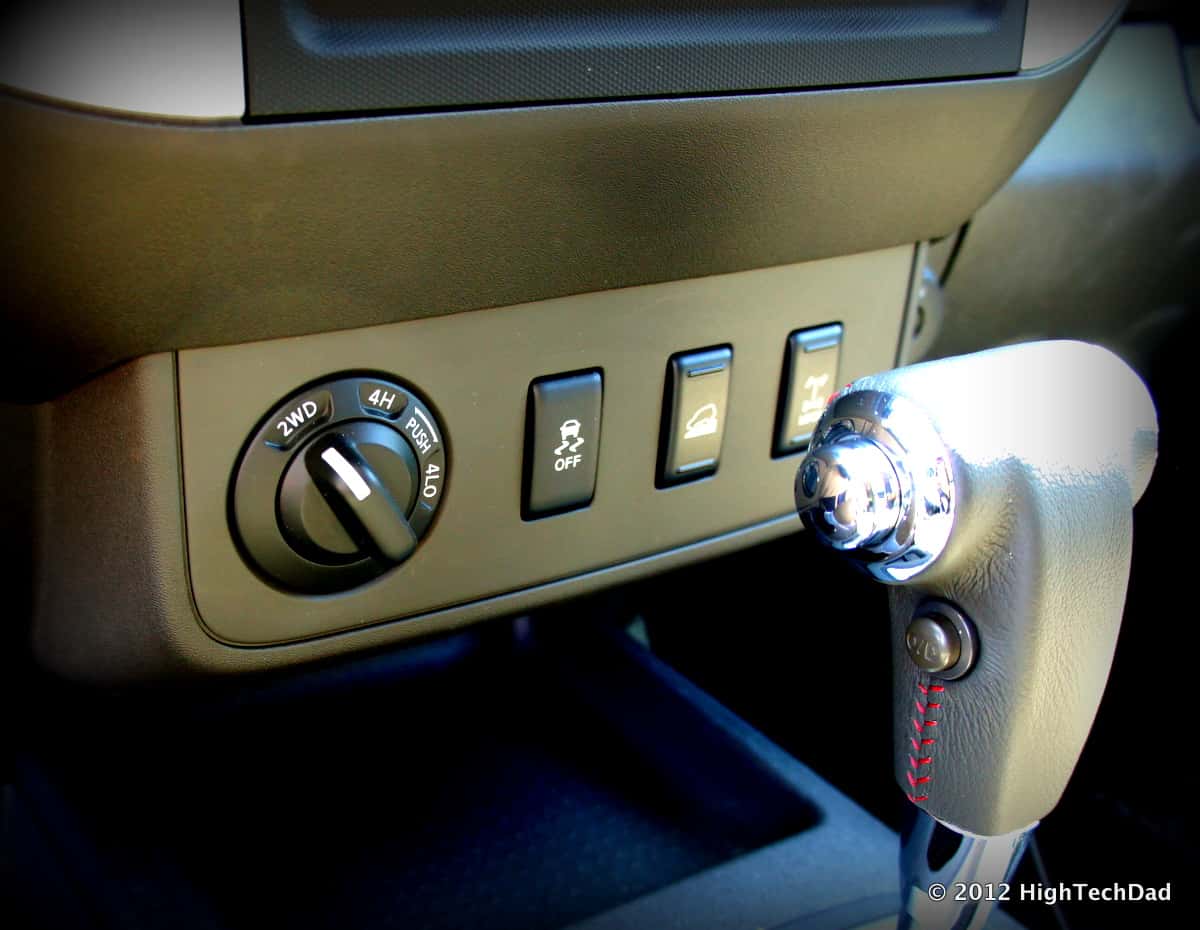
For an equipped 2024 Super Duty, Ford distinguishes 2H, 4H and 4L. Its 4H mode mechanically locks drive to the front and rear axles and is not for dry pavement. The manual describes 4L as adding gearing for greater torque multiplication in specified off-road conditions.
Low range is therefore a specific piece of equipment with operating limits. It is not a general recommendation for wet highways, and a 4WD badge does not establish which transfer case is installed. Do not arrange a tight-turn or wheelspin demonstration to find out how a system behaves.
Some 4WD systems also have an automatic mode
The 2025 gasoline Wrangler manual’s five-position transfer-case section makes another distinction. It permits 4H AUTO, as well as 2H, for normal street and highway conditions on dry hard surfaces. Its separate 4H PART TIME position is for loose or slippery surfaces. The manual also describes a different four-position transfer case.
Those differences prevent a useful comparison from becoming “AWD is automatic; 4WD is always manually locked.” Match the actual selector and equipment record to the right manual section. Mode names, engagement conditions and warnings should come from that vehicle’s instructions, rather than a sequence copied from another SUV.
| Vehicle and equipment | Distinction to verify |
|---|---|
| 2021 gasoline CR-V with Real Time AWD | Automatic rear-power transfer under the conditions Honda describes |
| 2024 Super Duty with the covered 4WD system | Mechanically locked 4H/4L and their surface restrictions |
| 2025 gasoline Wrangler with five-position transfer case | 4H AUTO versus the separate 4H PART TIME mode |
Tires and condition still need their own evidence
Honda warns that mixing tire types or sizes can affect its AWD system and requires specified pressures. Jeep’s manual calls for equal tire size, type and circumference for its covered 4WD system. Ford separately limits operation with dissimilar spare tires or unequal wear. These are reasons to check the applicable tire requirements, not invent one universal tread-depth tolerance.
Before buying, compare the fitted tires, equipment description and maintenance records with the matching manual. Ask an inspector to assess unresolved warnings, leaks, damage or operation concerns without treating a dashboard selector as proof that the system works. A completed mode change is only one observation, not a full condition assessment.
Finally, define the job separately: everyday road conditions, rough access, low-speed work or a particular towing plan. Drivetrain type alone does not establish trailer capacity, remaining payload or a suitable route. Choose from documented equipment and condition findings; the letters on the tailgate cannot settle those questions.
0 comment(s) so far on AWD vs. 4WD: Modes, Tires and Used-Vehicle Checks