

CVT Transmission Symptoms: Noise, Slipping & RPM Changes
Transmission behavior
A CVT can let engine speed rise without the familiar sequence of gear changes. A new shudder, delayed response or loss of acceleration is a different concern, and the distinction depends on the vehicle, operating conditions and diagnostic findings.
Updated October 15, 2026
_01.jpg)
Start with the transmission your vehicle actually has
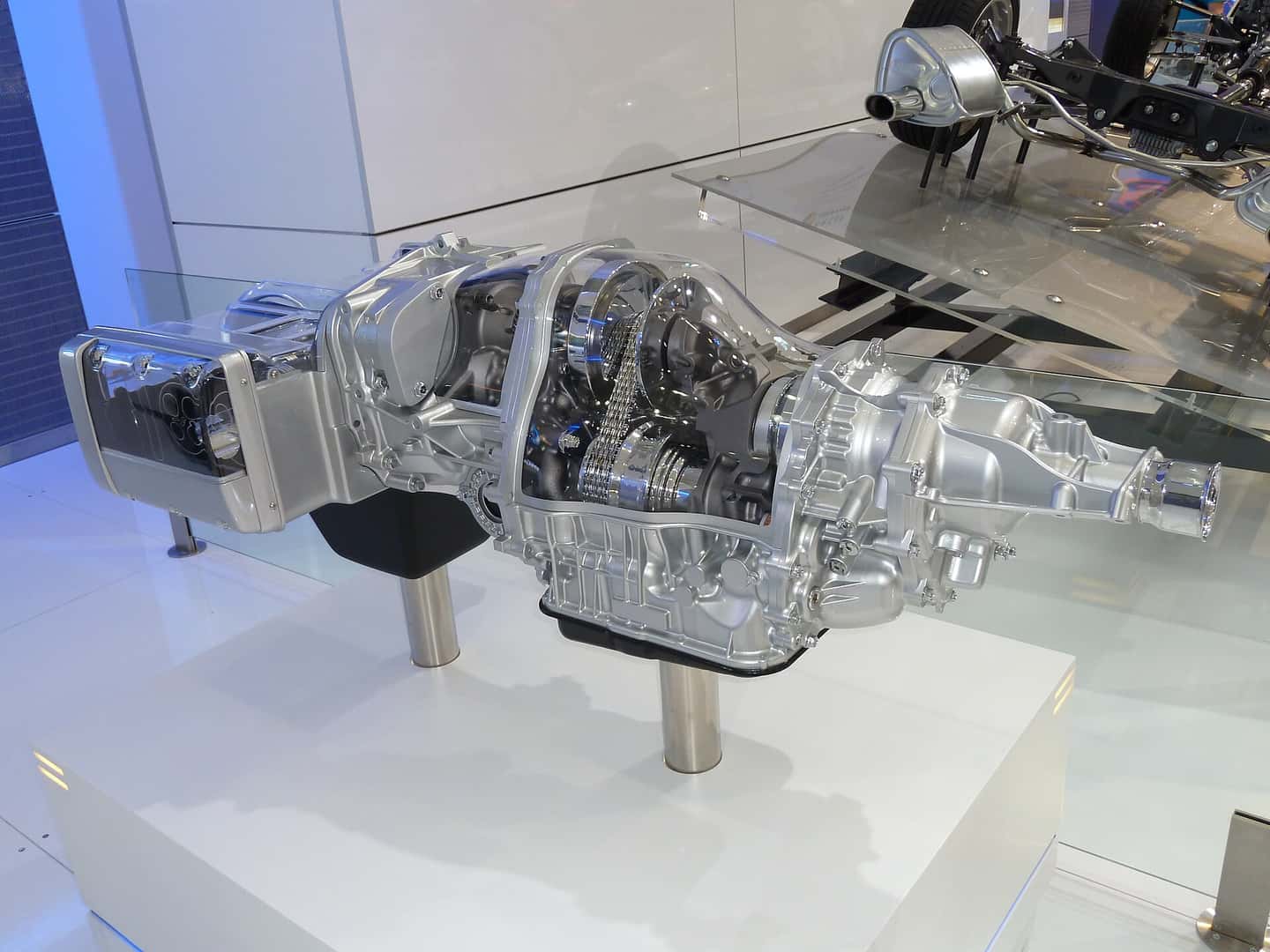
A conventional belt- or chain-type continuously variable transmission changes its ratio through pulleys rather than moving through a fixed set of forward gears. That changes the relationship between engine sound and road speed. The tachometer need not follow the same rise-and-fall pattern as a stepped automatic.
Programming matters, too. In its Xtronic CVT explanation, Nissan describes pulley-based operation and D-Step Logic in the models it discusses. That programming can provide a more familiar shift feel. One Nissan’s behavior should not be used as the standard for every CVT or every model year.
Before interpreting a symptom, confirm the year, engine and transmission from the owner’s manual or vehicle records. Include the selected driving mode in your notes. The word “CVT” in a specification does not provide enough information to choose a fluid, repair procedure or expected operating pattern.
If the vehicle is a hybrid, first establish which transmission design its manufacturer specifies. The eCVT versus CVT explanation uses documented Toyota and Honda examples to show why a similar label does not establish the same internal hardware or diagnostic procedure.
Normal operating feel and a new symptom are different questions
| What you notice | Important distinction | What to record |
|---|---|---|
| Engine speed rises during acceleration | Changing ratio can feel different from fixed-gear shifting; RPM alone does not prove slipping. | Whether road speed increased smoothly and whether this is a new change. |
| A shake or repeated bump | A shudder needs diagnosis rather than being dismissed as normal CVT feel. | Cold or warm, starting away or already moving, and approximate speed when first noticed. |
| Delay after selecting Drive or Reverse | Describe the actual pause and response instead of assuming an internal failure. | Which direction, whether parked level, temperature and any warning. |
| A new whine or other noise | Sound alone does not identify a transmission component. | Whether it follows engine speed, road speed, load or a change in direction. |
| Limited power with a temperature warning | Some vehicles reduce performance to protect the transmission. | The exact message and conditions before it appeared; follow that vehicle’s instructions. |
“Slipping” needs a more precise description
Owners often use slipping to mean that the engine sounds busy while the vehicle feels slow. Describe what actually changed: a brief flare, a sustained rise in RPM, a pause before movement or a repeated surge. Those observations do not identify a worn belt, a valve-body fault or a software problem on their own.
A diagnostic code is also part of a procedure, not a universal parts order. Nissan’s December 2023 bulletin NTB17-039Q is a useful example. It addresses reported judder together with specified stored codes on listed V6 CVT applications, including certain Altima, Maxima, Murano, Pathfinder and Quest model years.
Its conditions are deliberately narrow. The bulletin says it does not apply without the reported judder and qualifying code conditions. A different Nissan engine, another manufacturer’s CVT or a similar-sounding complaint requires its own diagnostic information. A shop should check the current procedure for the exact vehicle rather than apply an internet repair flowchart broadly.
Heat protection is not permission to keep pushing
The 2024 Nissan Versa manual explains that its CVT can reduce engine power and sometimes vehicle speed when fluid temperature becomes excessive. It warns that the resulting speed can be lower than surrounding traffic. That is a model-specific operating strategy, not proof that every loss of power is transmission overheating.
Follow the instructions for the warning actually displayed. If the vehicle cannot maintain safe progress, stop in a safe place and arrange assistance. Do not repeat hard acceleration to see whether the symptom returns, and do not assume that a warning disappearing after a restart establishes that the underlying concern has been repaired.
Make the service record specific
Bring the fluid-service invoice, not just the date it was changed. The product and specification matter. For example, that Versa manual specifies Nissan NS-3 or an equivalent meeting its requirement and warns against substituting ordinary automatic-transmission or manual-transmission fluid. That specification is an example for the covered vehicle, not a fluid recommendation for all CVTs.
Ask the technician to connect the recommendation to the recorded symptom, scan results and vehicle-specific checks. Was the concern observed? Were temperature, fluid requirements and applicable service information considered? If the symptom was not reproduced, the repair record should say so. Clear uncertainty is more useful than calling unfamiliar behavior normal or condemning a transmission from its sound alone.
0 comment(s) so far on CVT Transmission Symptoms: Noise, Slipping & RPM Changes