

Humming Noise While Driving: Tires, Bearings, Or Drivetrain?
Noise diagnosis
A hum that rises with road speed can come from tires, a wheel-end bearing or drivetrain components. The sound is a useful observation, but it is not a reliable parts order. The first task is to separate changes caused by the road surface from changes that follow the vehicle’s speed or ordinary operating load.
Updated October 16, 2026

Pay attention during normal driving without weaving, making abrupt steering inputs or selecting Neutral to run an improvised test. If the noise accompanies a wobble, a damaged tire or a change in handling, stop safely rather than continuing to demonstrate it.
Road noise and component noise can overlap
A tire’s contact with the road is one source of sound. A change from smooth asphalt to a coarse surface can change what reaches the cabin. Uneven wear, tire condition and the installed tread pattern also belong in an assessment; a louder sound after tire work should not automatically be assigned to a bearing.
Timken’s wheel-end guidance explicitly notes that humming, rumbling and growling can involve tire, electrical or drivetrain components. Its discussion of bearing noise is part of that broader distinction. The label “wheel-bearing hum” is not enough to identify which part or side needs replacement.
Also distinguish a sound that requires the vehicle to be moving from one heard while stationary. That observation helps select a relevant inspection. It does not require revving the engine or experimenting with gear selections to produce a result.
| Normal-driving observation | What it contributes | What it does not establish |
|---|---|---|
| The sound changes with pavement | Road and tire noise deserve comparison. | That every wheel-end component is sound. |
| It follows road speed | Record the speed range where it is noticeable. | Which rotating component is responsible. |
| It changes during an ordinary bend | Tell the technician what happened naturally. | A safe reason to weave or replace the opposite-side bearing. |
| It began after wheel or tire work | The installed tires and recent work are relevant. | That the last person to touch the car caused the fault. |
Inspect the tire information before changing parts
While parked, note the tire sizes and whether all tires match the vehicle’s requirements. Check visible tread and sidewall condition without crawling beneath an unsupported vehicle. An outward sidewall bubble requires immediate tire replacement; stop using that tire and arrange a suitable spare or assistance. Exposed reinforcement or other significant damage also needs attention beyond a noise assessment.
NHTSA’s tire guidance directs owners to the placard or manual for recommended cold pressure. The tire sidewall’s maximum pressure is not the vehicle’s setting. Correcting pressure follows that instruction; deliberately changing pressures to see whether a hum disappears is not a substitute for diagnosis.
Recent tire rotation can be relevant, but rotation is not a universal remedy. Tire direction, size differences, vehicle requirements and tire condition determine whether a particular rotation is appropriate. Damaged tires should not be moved to another position simply to make the sound less noticeable.
A hub check is more than listening beside the car
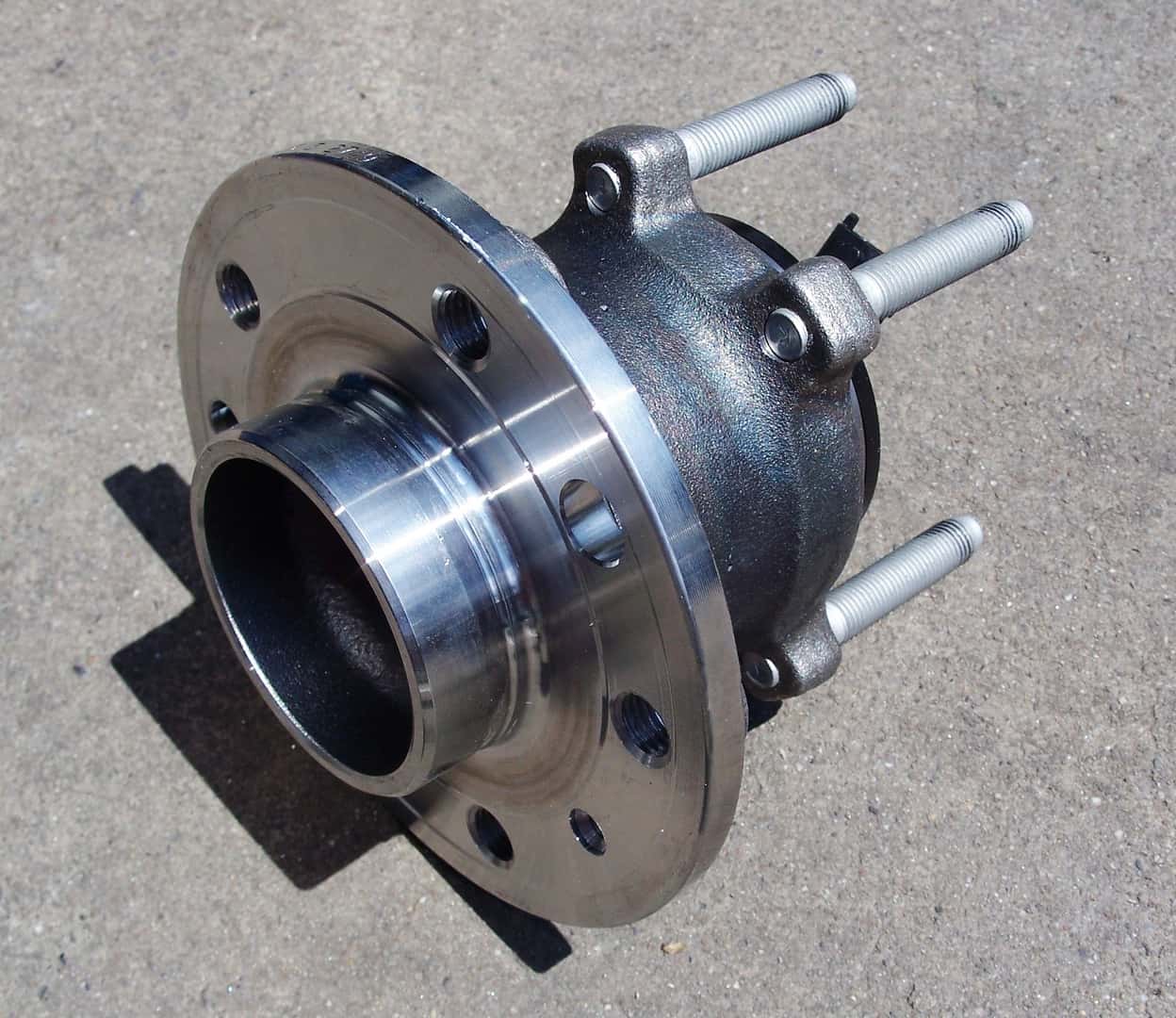
A wheel bearing supports rotation within the wheel-end assembly. The hub, tire, brake and adjacent suspension components all need to be distinguished when assessing a complaint. Timken’s inspection guide separates other road-noise sources from examination of the hub assembly itself.
That examination is professional work under the applicable service procedure, rather than an owner lifting one corner and concluding that a freely spinning wheel is healthy. A recorded road observation and a component finding answer different questions. The repair should connect them.
Useful results identify the component, the evidence of its condition and any relevant tire or wheel findings. A recommendation to replace a bearing simply because the car hums leaves the original question unanswered. If the sound is instead traced to tires or drivetrain hardware, the findings should explain that distinction before parts are approved.
0 comment(s) so far on Humming Noise While Driving: Tires, Bearings, Or Drivetrain?