

Car Stalls at Stops: Automatic Stops vs. Unwanted Shutdowns
Engine operation
Updated October 16, 2026
An engine that unexpectedly dies at a stop needs to be distinguished from a vehicle’s intended automatic shutdown. The difference depends on its equipment, operating conditions and messages—not simply whether the car was stationary. If a shutdown is unwanted or leaves the vehicle responding unpredictably, get to a safe place and arrange help rather than trying to repeat it in traffic.
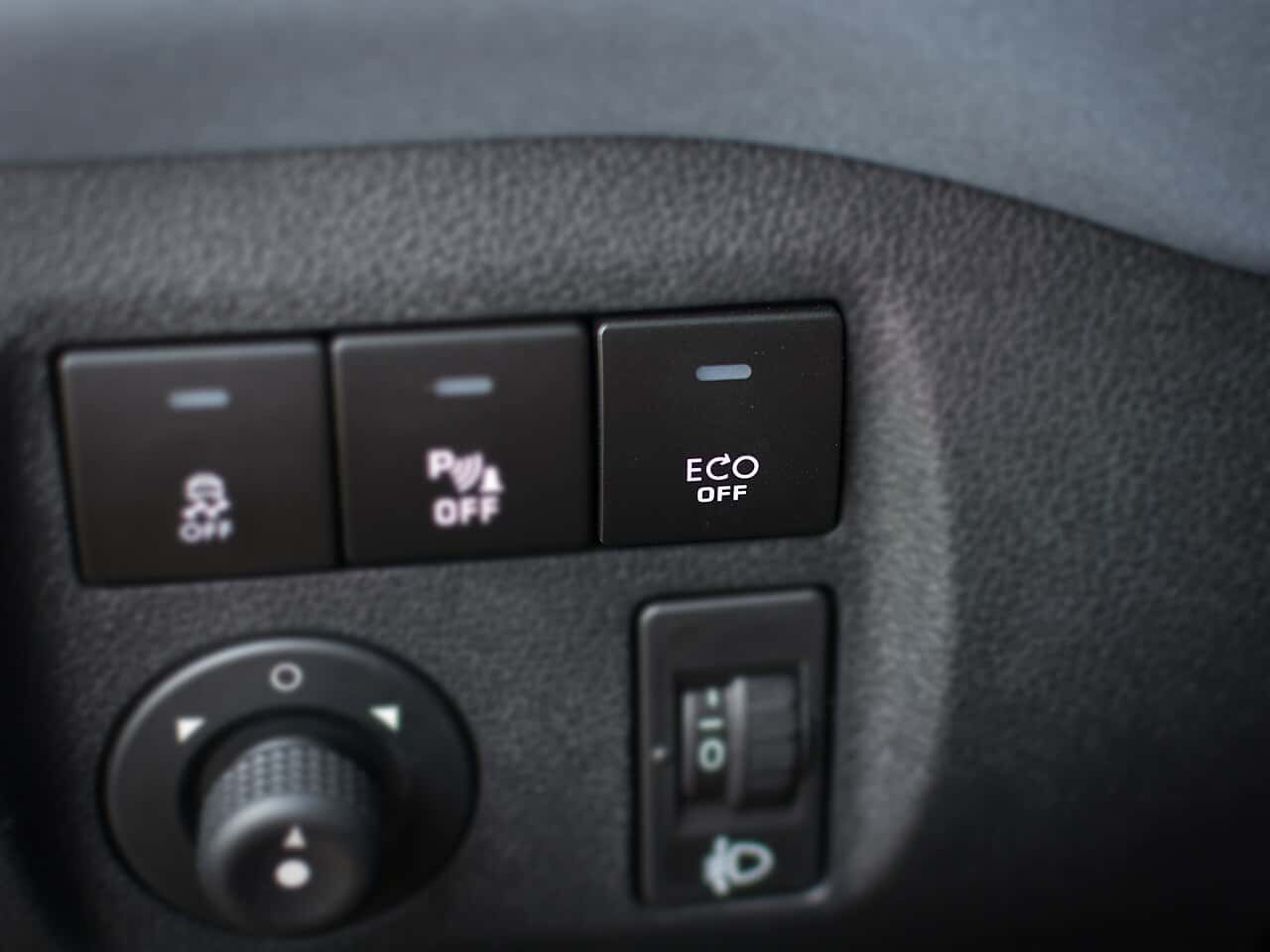

Start with the shutdown the vehicle was designed to make
The 2021 gasoline Honda CR-V manual describes Auto Idle Stop: under specified conditions, the engine stops when the vehicle stops, a green indicator appears, and the engine restarts as the vehicle is about to move. Battery charge, temperatures and climate-control demand are among the conditions that affect its operation.
That description is specific to the cited CR-V. Check your own manual for the feature, indicator and restart conditions. Do not assume another car uses the same symbols, or dismiss a failed restart as normal because it has stop/start equipment. Honda also warns not to open the hood while Auto Idle Stop is active; an automatic stop is not permission to work around the engine.
There are other deliberate shutdown contexts. The 2024 Ford Super Duty manual describes an optional idle timer that shuts the vehicle down after a set period when it has been parked, shifted into Park and left idling. That parked-truck feature does not explain an unrelated car dying at a traffic light. Matching the actual conditions is the point.
Record what already happened
Once safely parked, write down the sequence in ordinary language. Note whether the engine ran roughly first, stopped abruptly, displayed an automatic-stop indicator, or required a manual restart. Include the gear selected, whether the vehicle was moving, and whether it had just started or was already warm. These are observations to report, not instructions for another test.
| Already noticed | What to record | What it does not establish |
|---|---|---|
| Rough idle before stopping | Sequence and any warning message | One particular sensor, injector or pump failed |
| Automatic-stop indication | Exact symbol or wording and restart behavior | Every engine shutdown is intended |
| Manual restart needed | Whether it restarted and how it ran afterward | The underlying fault has been repaired |
| Concern began after service | Invoice and work immediately preceding it | The last part touched caused the problem |
The same symptom can come from different systems
DENSO’s engine-management catalog illustrates the overlap. Its fuel-pump section lists stalling shortly after startup or during accelerator demand among possible symptoms. Its mass-airflow sensor section also lists unstable idle and stalling. Those are different systems with overlapping effects, not a ranking of the most likely failure on your car.
DENSO emphasizes diagnosis before fitting a pump because the underlying concern may be elsewhere. It also notes that a clogged airflow-sensor passage can produce poor running or stalling without necessarily setting a diagnostic code. A warning-free dashboard does not settle that example, and the presence of a code does not make every named component defective.
The separate mass-airflow sensor guide explains why the sensor signal, intake and electrical connections need to be distinguished. It is useful background when airflow is actually under investigation, not a reason to buy a sensor for every stall.
Keep diagnosis separate from a home experiment
Do not try to provoke a shutdown by adding electrical loads, turning the steering wheel, shifting repeatedly or driving another circuit. Leave fuel-pressure work, live electrical testing and intake disassembly to qualified repair personnel using the vehicle’s instructions. DENSO’s catalog contains fuel-system and delicate-sensor precautions; its workshop procedures are not a universal owner checklist.
If the engine warning flashes or the engine runs severely unevenly, follow the vehicle’s warning instructions. The cited Super Duty manual treats a flashing malfunction indicator as a possible misfire with a risk of catalyst damage. That changes the urgency; it does not identify the failed part.
Before a reset or repair, ask that the diagnostic findings be retained. A useful explanation identifies the operating conditions, the failed check and the specification used. Keep that account with the repair invoice. “It restarted” records an outcome at one moment, not confirmation that an intermittent fault is gone.
0 comment(s) so far on Car Stalls at Stops: Automatic Stops vs. Unwanted Shutdowns