

Shaking When Braking: Separate the Findings
Braking vibration
Updated October 17, 2026
A shake during braking describes a symptom, not a failed part. The useful distinction is between feedback from an operating system, a repeatable brake vibration and another vibration that braking makes more noticeable.
-0280.jpg)
Separate ABS feedback from repeated vibration
The 2024 Ford Super Duty manual explains that the pedal can pulse and travel farther when anti-lock braking activates. That is a description of system feedback in that vehicle, not a diagnosis of every shaking complaint. Tell the professional whether the sensation involved the pedal, steering wheel, seat or several places together.
Keep the circumstances separate from your interpretation: whether braking was involved, what the road was like and whether a warning appeared. Do not deliberately activate ABS to compare sensations. The manual also explains that ABS cannot eliminate crash risks from following too closely, hydroplaning, excessive cornering speed or poor road surfaces; a pulsing pedal is no assurance of safety.
Ask what the rotor finding means
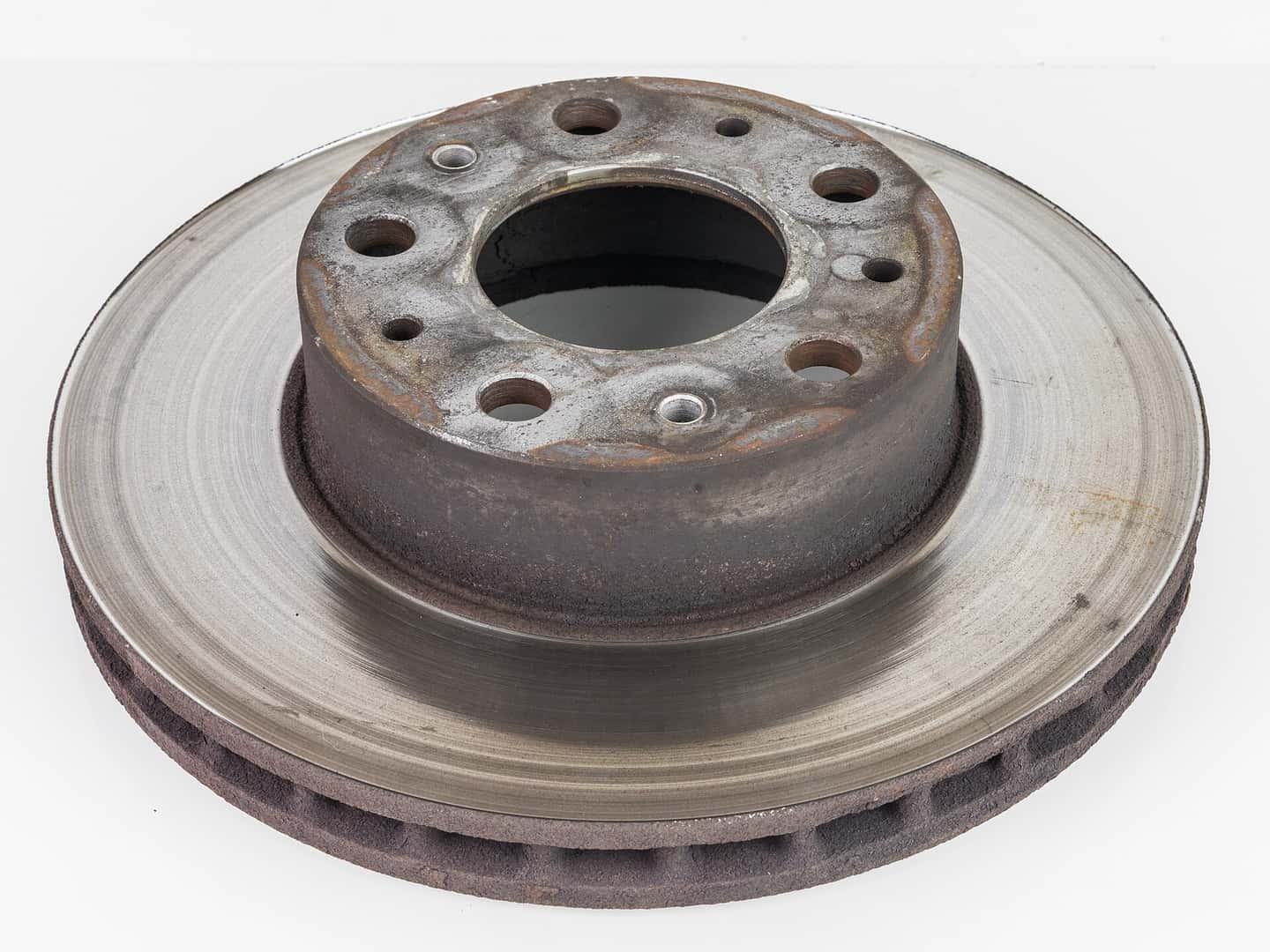
Audi’s February 2021 diagnostic bulletin for 2006–2022 Audi vehicles identifies disc-thickness variation as a common contributor to pulsation. Uneven thickness and sideways runout are different findings. It distinguishes that condition from runout and describes deposits, corrosion and prolonged high runout as possible contributors. Speed, pedal pressure and component temperature can affect when the complaint appears.
Ask which finding supports the proposed repair, rather than treating “warped rotors” as the complete explanation. Our guide to pad and rotor measurements explains the separate evidence behind a parts decision. The bulletin is diagnostic guidance, not a warranty determination.
A repeat complaint needs repair history
A February 2024 GM bulletin provides a specific example: paint on wheel-to-hub mating surfaces can cause runout and subsequent thickness variation. Its scope is 2022–2024 Cadillac CT4-V Blackwing and CT5-V Blackwing, plus 2020–2024 Chevrolet Corvette, with brake options J57 or J6H. It does not establish that paint caused another vehicle’s vibration.
For a repeat complaint after brake or wheel work, supply the previous invoice and explain whether the original sensation disappeared, persisted or returned later. Ask how the inspection distinguishes a disc condition from the mounting condition that could contribute to it. Repeating the same parts list does not answer that question; the documented findings should explain the recommendation.
Keep cruising vibration in the record
Michelin’s handling guidance lists wheel imbalance and tire flat spots among possible causes of vibration at speed. It also asks drivers to describe what they feel through the steering wheel or floor. A vibration already present before braking therefore belongs in the complaint, even when braking makes it more obvious.
Describe changes you have already noticed, including whether the vibration is new and whether it followed a tire change or impact. Separate those observations from a guess that the tires or brakes are responsible. This gives the evaluator more than the word “shake,” without requiring you to reproduce the condition or decide which component needs replacement.
Warnings change the next step
The 2021 Chevrolet Traverse manual gives a distinct instruction for its brake-system warning: if it appears while driving, pull off and stop carefully; if it remains on, have the vehicle towed for service. It warns that the pedal may become harder to push or travel closer to the floor, and stopping can take longer.
Use the warning instructions for your exact vehicle rather than a generic vibration checklist. Tell the assistance provider about a warning, changed pedal travel or braking response before arranging an evaluation. A symptom description, an ABS explanation or a photograph of a disc cannot establish that a vehicle is fit to continue driving.
0 comment(s) so far on Shaking When Braking: Separate the Findings