

Brake Pads and Rotors: Read the Measurements
Brake repairs
Updated October 17, 2026
A useful brake estimate explains pad wear, rotor measurements and the condition behind the complaint. “It squeaks” or “the rotors look worn” is not the same information.
-0280.jpg)
Ask for the measured value and its limit
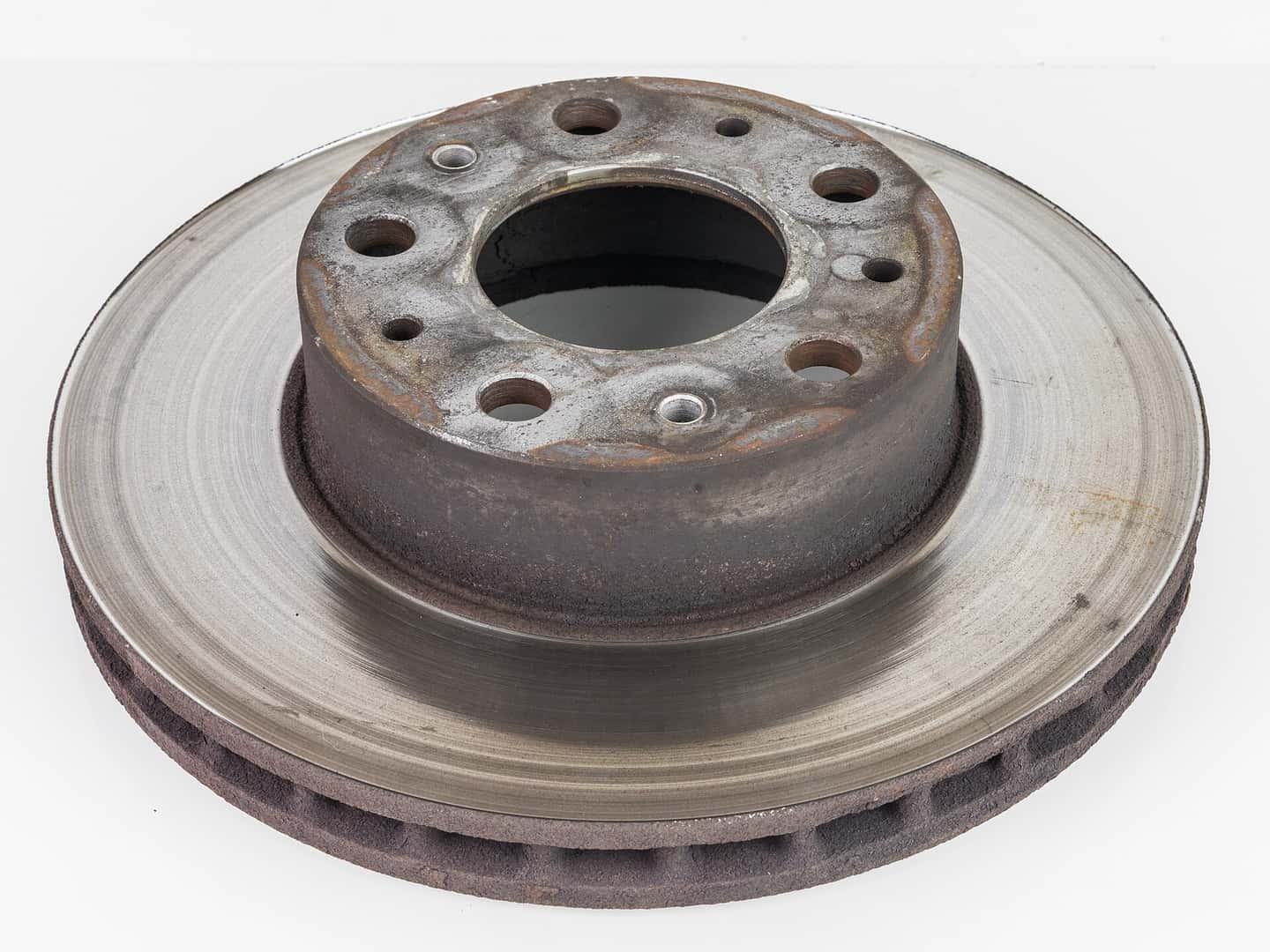
Brembo’s disc-thickness guidance explains that discs wear as well as pads. The professional measurement is compared with the minimum thickness specified for that disc, commonly marked MIN TH. Ask for the measured value, applicable limit and affected axle in the estimate.
Have the pad-wear finding recorded separately. A disc measurement is not a pad measurement, and a mileage recommendation does not document either. If both pads and discs are proposed, the estimate should identify the condition supporting each recommendation. Brembo also explains that disc thickness affects heat dissipation and strength; a thickness limit is therefore a service specification, not a prediction of remaining miles.
Vibration is a different measurement question
HELLA’s workshop inspection guidance separates lateral runout from variation in disc thickness. One concerns how the disc runs as it rotates; the other concerns differences in its thickness. A report using only “warped rotor” leaves the actual measurement unclear.
The same guidance includes the hub/bearing, caliper and slides, hoses and chassis components. For a vibration estimate, request the recorded runout or thickness-variation result, its units and the applicable model-specific limit. Ask which finding accounts for the complaint and whether related components affected the result or proposed repair. A useful report names the measured condition, rather than using “vibration” as the replacement reason. These are professional measurements, not instructions to lift the vehicle, handle brake parts or make repeated stops to reproduce the symptom.
Keep hydraulic findings separate from friction wear
HELLA’s brake-fluid explanation concerns a different job: fluid hydraulically transmits pedal force. Its guidance distinguishes low fluid associated with leaks or pad wear from fluid-condition testing. It also cautions that color alone is not a reliable assessment of moisture or boiling point.
If fluid service appears beside pads and rotors on an estimate, ask whether it is scheduled maintenance, a measured fluid-condition finding or work connected with a hydraulic repair. Request the applicable manufacturer specification and the recorded basis for the recommendation. A dark-fluid description is less complete than an identified condition. A soft or spongy pedal also has several possible explanations; replacing friction parts is not, by itself, a documented hydraulic diagnosis. Liquid and compressible bubbles behave differently in the hydraulic system, which is why pedal feel deserves its own finding.
Noise and warnings need their own context
The 2021 gasoline Honda CR-V manual distinguishes a continuing metallic wear-indicator sound when braking from an occasional initial squeak or squeal. That example does not identify a sound on another car or prove that it is harmless. Describe the sound already heard and any accompanying pedal change or warning, without trying to produce it again.
Honda’s separate brake-fluid section calls for inspection for leaks or worn pads when the level is at or below MIN. Its red brake-system warning has its own urgent instructions. Use the actual vehicle’s warning and assistance guidance; an estimate does not establish driving clearance. Our brake-system and ABS warnings guide explains why the complete indication matters when arranging help.
0 comment(s) so far on Brake Pads and Rotors: Read the Measurements