

Engine Overheating: Warnings and Repair Findings
Engine cooling
Updated October 17, 2026
When an overheating warning tells you to stop safely, act on that instruction rather than wait for another temperature rise.

Warning instructions
The 2021 gasoline Honda CR-V manual identifies a high gauge reading, sudden power loss, steam or spray, and its “Stop Driving When Safe. Engine Temperature Too Hot” message. It directs immediate safe parking. It warns against opening the hood while steam is escaping and against removing the reserve-tank cap while the engine is hot: escaping coolant can scald.
Limited power
The 2024 Ford Super Duty manual limits its fail-safe cooling mode to emergencies and only as necessary to reach a safe resting place and seek immediate repair. Power is restricted, and the engine can shut down without warning, increasing steering and braking effort. Its separate high-load temperature-management passage has different conditions; neither is a universal overheating procedure.
The repair finding
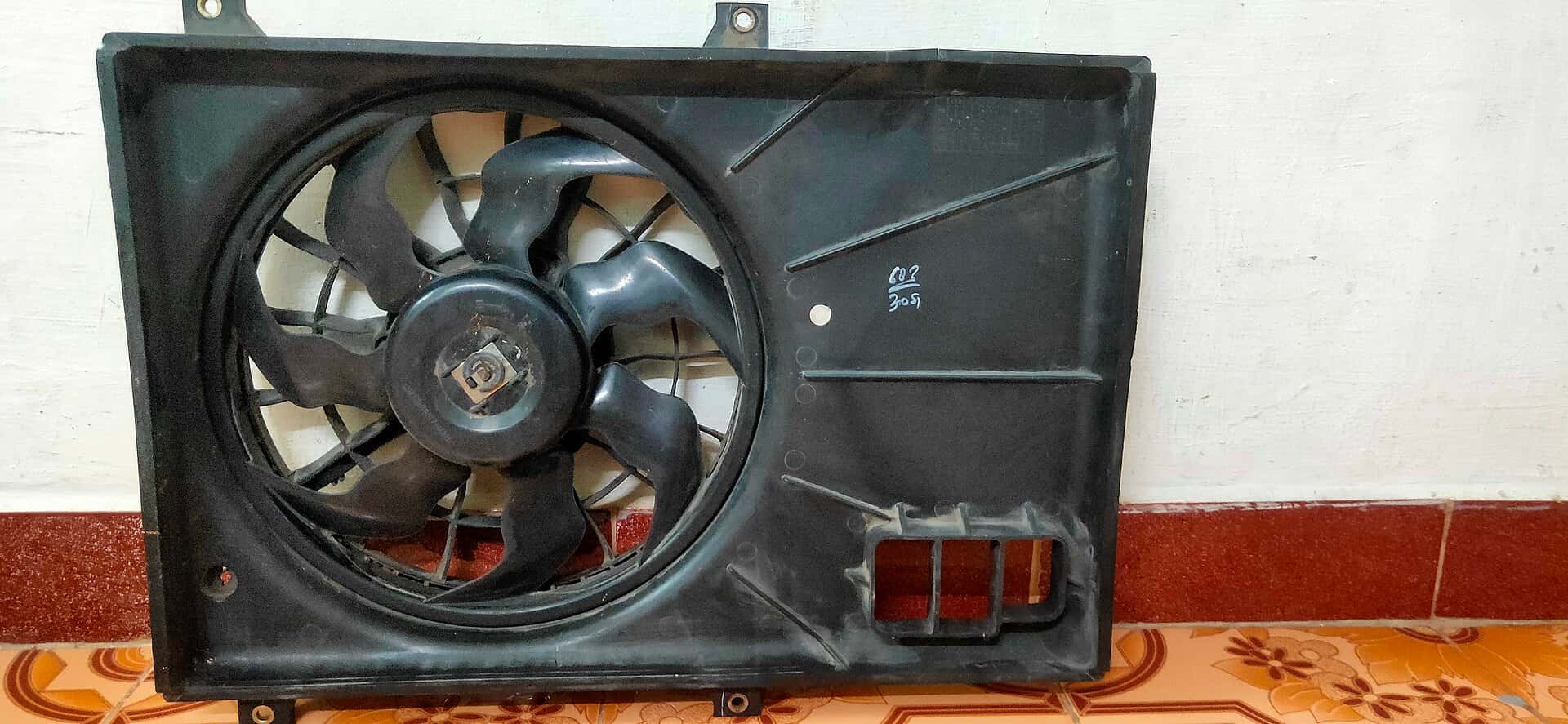
For qualified workshops, HELLA’s cooling-system guidance separates a credible temperature indication from coolant quantity and leaks, radiator airflow, fan operation and circulation. Those are different diagnostic questions. A repair recommendation should explain which finding accounts for the heat event, instead of selecting a thermostat or water pump from the warning alone.
The coolant-leak guide further separates fluid-loss observations from overheating. Tell the repairer what warning appeared and whether you saw steam or fluid loss.
0 comment(s) so far on Engine Overheating: Warnings and Repair Findings