

Adaptive Cruise Control Warning: Radar, Camera, Or Calibration?
Driver-assistance systems
An adaptive cruise control warning after windshield replacement deserves a check of the exact camera-aiming requirements for that vehicle. A blocked view, an unfinished calibration and a hardware fault are different problems; the dashboard message alone does not choose between them.
Updated October 15, 2026
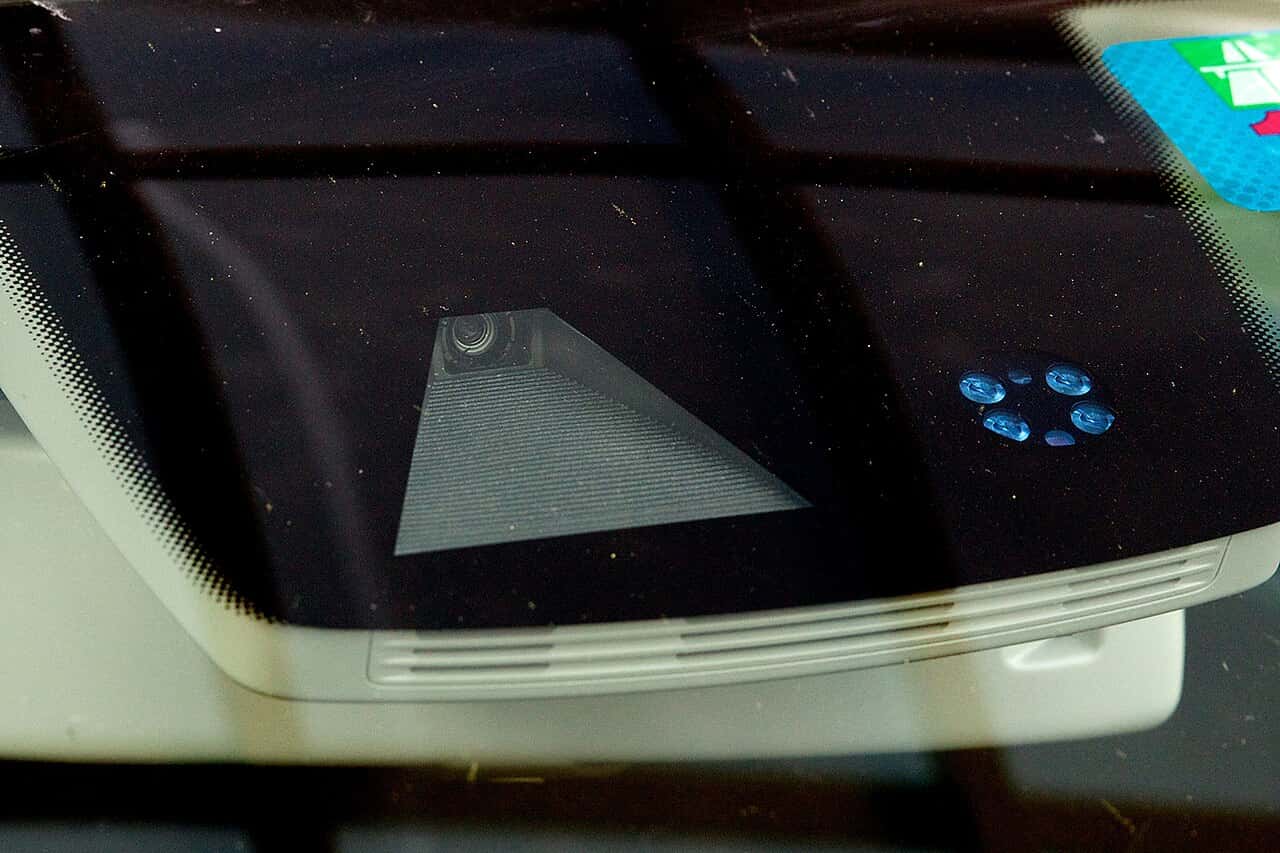

The windshield can be part of the sensing system
Some driver-assistance cameras look through the windshield near the rearview mirror. Work on the glass can therefore matter to more than visibility. The key question is whether the repair triggered an aiming or calibration procedure specified by the manufacturer for that vehicle and its equipment.
Honda’s 2021 driving-support-system aiming job aid, issued by Honda Canada, illustrates the point. For the camera systems it covers, windshield removal and installation, windshield replacement, and camera removal or replacement are listed as events requiring aiming. The document also separates camera procedures from radar procedures.
Those Honda instructions are not a universal calibration schedule. Another model can have a different sensor arrangement, procedure or prerequisite. A windshield invoice that says “ADAS equipped” is a useful starting point, but the vehicle identification number and current manufacturer instructions should determine the actual work.
Read the full message before calling it a calibration fault
Warnings can distinguish a temporary viewing limitation from a system problem. In its 2020 Insight Honda Sensing guide, Honda describes separate messages for an obstructed radar, a dirty windshield and a camera that is too hot. Weather or a covered sensing area can prevent operation without establishing that the camera has moved.
The model-specific instructions include stopping safely to clear an obstructed area with a soft cloth, and having a persistent warning checked. Follow your own manual’s directions for the identified area. Do not remove the camera cover, touch the lens, loosen a bracket or try to change a sensor’s angle.
| Pattern | Useful information | Question to resolve |
|---|---|---|
| Warning began immediately after glass work | The first occurrence, invoice, windshield part number and all warning text. | Did the work require camera aiming, and is completion documented? |
| Message names a blocked or dirty sensing area | Weather, condensation and whether the named area was visibly obstructed. | Does the message clear after the manual’s permitted cleaning steps, or need diagnosis? |
| Message identifies camera temperature | Conditions when it appeared and whether it persisted after the cabin cooled. | Is this the described temporary limitation or a recurring concern? |
| Several driver-assistance features are unavailable | The complete set of messages, rather than just the cruise-control warning. | Which systems share the affected sensor, and what do their diagnostic records show? |
Four useful questions after windshield replacement
Which procedure applied to this vehicle? Ask the repairer to identify the manufacturer’s requirement using the VIN and installed equipment. “We always do these” and “it usually learns itself” are less informative than naming the applicable procedure and whether its conditions were met.
What windshield was installed? Keep the part number and installation details with the repair record. Honda’s cited job aid specifies genuine Honda replacement glass for the camera systems it covers. That is Honda’s stated requirement in that document; it should not be expanded into a claim that every brand uses the same glass policy.
What does the completion record show? Ask for the aiming or calibration result and any unresolved faults. A charge for calibration identifies a billed operation; the result explains whether it completed successfully. If the warning returns, the original report gives the next technician something concrete to compare.
What happens if calibration will not complete? The repairer should use the prescribed diagnostic path. Honda’s job aid notes that other relevant faults may need correction before aiming. Repeating calibration without investigating an unmet condition is different from establishing why the procedure fails.
Keep verification out of live traffic
Do not approach another vehicle to see whether adaptive cruise slows down, or steer toward a lane marking to test a warning. An owner cannot validate camera alignment by finding a situation in which the feature appears to work. Any functional verification belongs within the manufacturer’s procedure and an appropriately equipped repair process.
NHTSA describes adaptive cruise control as assistance that adjusts speed to maintain a preset following distance; the driver remains responsible for monitoring and controlling the vehicle. While a warning is active, do not rely on the unavailable feature. If steering, braking or basic visibility is also affected, stop safely and arrange assistance.
A warning that started after a repair is a reason to return with the repair record. It is not, by itself, proof of a damaged camera or a failed glass installation. The useful outcome is a documented explanation of the warning and any required procedure, rather than reassurance based only on the warning disappearing.
0 comment(s) so far on Adaptive Cruise Control Warning: Radar, Camera, Or Calibration?