

Throttle Body Cleaning: When It Helps and When It Does Not
Engine care
Throttle-body cleaning can help when deposits affect airflow, but it is not a cure for every rough idle or hesitation. The service needs two things: evidence that cleaning is appropriate for the fitted unit, and the correct follow-up procedure.
Updated October 15, 2026
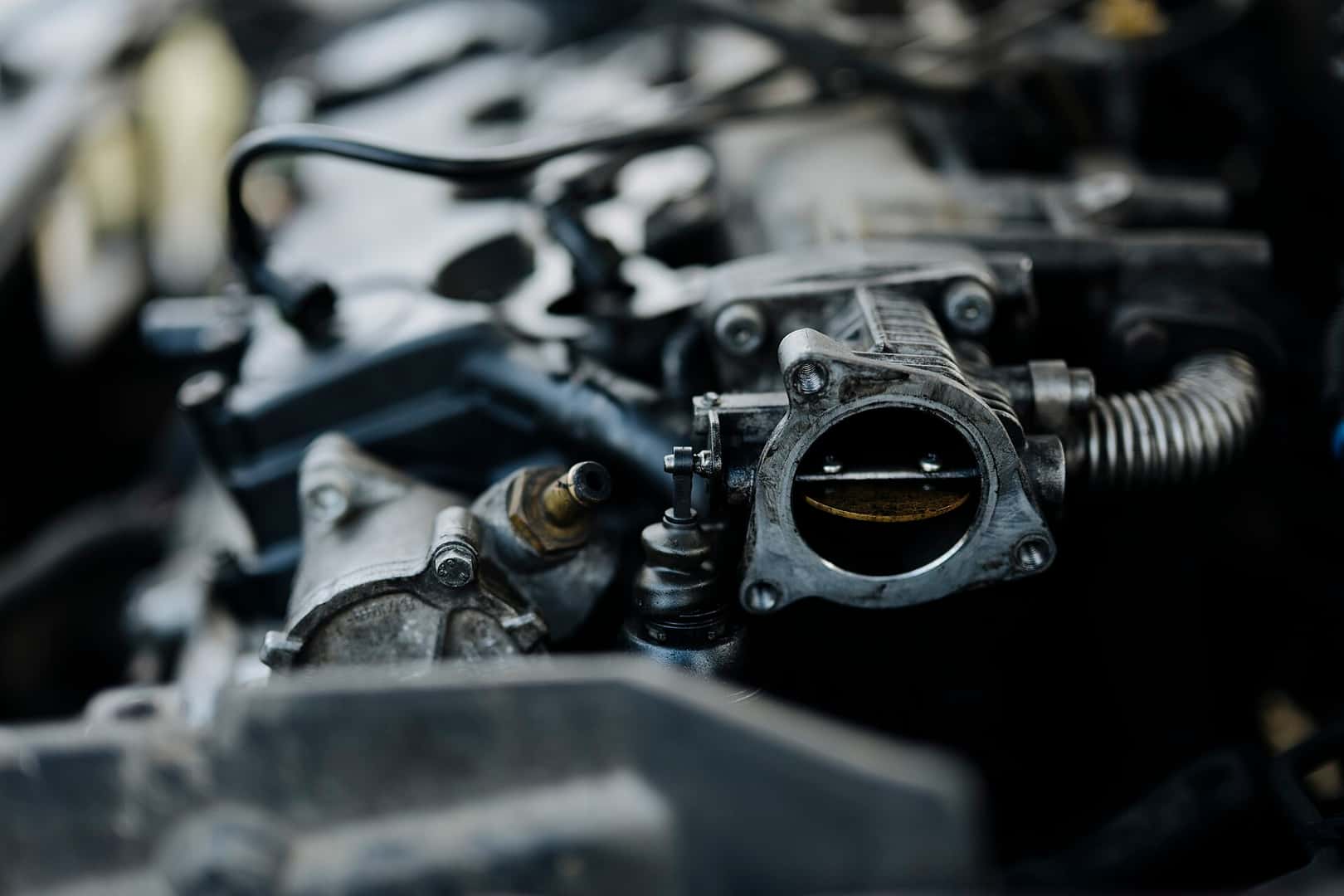

Manufacturer bulletins illustrate why those details matter. An engine controller may have adapted to deposits; removing them can require an idle-learning step. Other assemblies have cleaning restrictions. The decision starts with the engine and throttle body on the vehicle, not a generic service interval.
What deposits can change
GM bulletin PIP4578B describes carbon accumulation on its listed V8 applications. The controller can compensate by changing throttle angle. When diagnosis has not otherwise isolated the concern, GM directs technicians to inspect for deposits, clean where appropriate, perform the specified idle-learn reset and reassess the problem.
The sequence matters as much as the cleaning. Deposits must be connected to the complaint, and the system’s learned response may need attention afterward. Neither high mileage nor a throttle-related code, on its own, establishes that cleaning or replacement is the right answer.
Hyundai bulletin 13-FL-002 also links cleaning to specified symptoms and deposits where the valve meets the bore. For the applications and conditions it covers, Hyundai tells technicians to follow its cleaning procedure before replacing the electronic throttle assembly.
These are application-specific examples. Their model, engine and year limits are part of the instructions; they are not maintenance schedules for every vehicle carrying the same badge.
Why the idle relearn belongs in the estimate
A cleaner surface does not necessarily mean the work is finished. GM’s bulletin explains that cleaning without the applicable idle reset can leave affected vehicles with similar complaints or idle-related codes. Ask whether the proposed service includes the required learning procedure and a check of the original symptom afterward.
Recent battery work is useful context. Toyota Tech Tip T-TT-0362-15 addresses hard starting or poor idle after loss of 12-volt power on its specified vehicles. It calls for inspecting deposits and following its particular cleaning and idle procedure.
Tell the technician if the idle changed after a battery disconnection, control-system work or intake service. That timing can help direct the checks without proving what caused the problem. The Toyota document is a historical example, not a current reset routine for every Toyota.
Use the symptom’s timing to ask a better question
| Situation | Question to resolve |
|---|---|
| Cleaning is recommended because of mileage alone | Does the maintenance or service information for this engine call for it? |
| Idle changed after recent work | Were the intake connections and any required learning procedure checked? |
| A throttle-related code was recorded | What test separates deposits from an electrical, mechanical or control problem? |
| The symptom returned after cleaning | Was the specified follow-up completed, and what remains unresolved? |
A clear description helps: difficult first start, unstable idle after warming up, or a change noticed immediately after service. Keep the warning message and recorded codes with that history. The aim is to explain the complaint accurately, rather than translate a code directly into a parts order.
Cleaning methods are not interchangeable
Toyota’s cited tip warns that spraying chemicals directly can carry contamination into sensitive components. Ford’s 1999 service information for certain coated throttle bodies goes further and prohibits cleaning those assemblies.
Those examples are a reason to check current service information for the exact unit before choosing a chemical, moving an electronic throttle plate or resetting learned values. They do not provide a general do-it-yourself cleaning method.
An estimate should distinguish the diagnosis, any supported cleaning, the required relearn and the check afterward. Ask what finding supports the work and how the shop will establish whether the original idle or starting concern has improved. If cleaning is not supported, the next recommendation should come from the remaining diagnosis.
0 comment(s) so far on Throttle Body Cleaning: When It Helps and When It Does Not