

DEF Warnings: Low Fluid, System Faults and Restrictions
Diesel Ownership
Updated October 16, 2026
A diesel exhaust fluid warning needs its exact wording. A low-level message asks a different question from a system-fault message, and a displayed restriction can change what the vehicle will do next. Read the applicable owner’s manual before treating a refill as the complete answer.
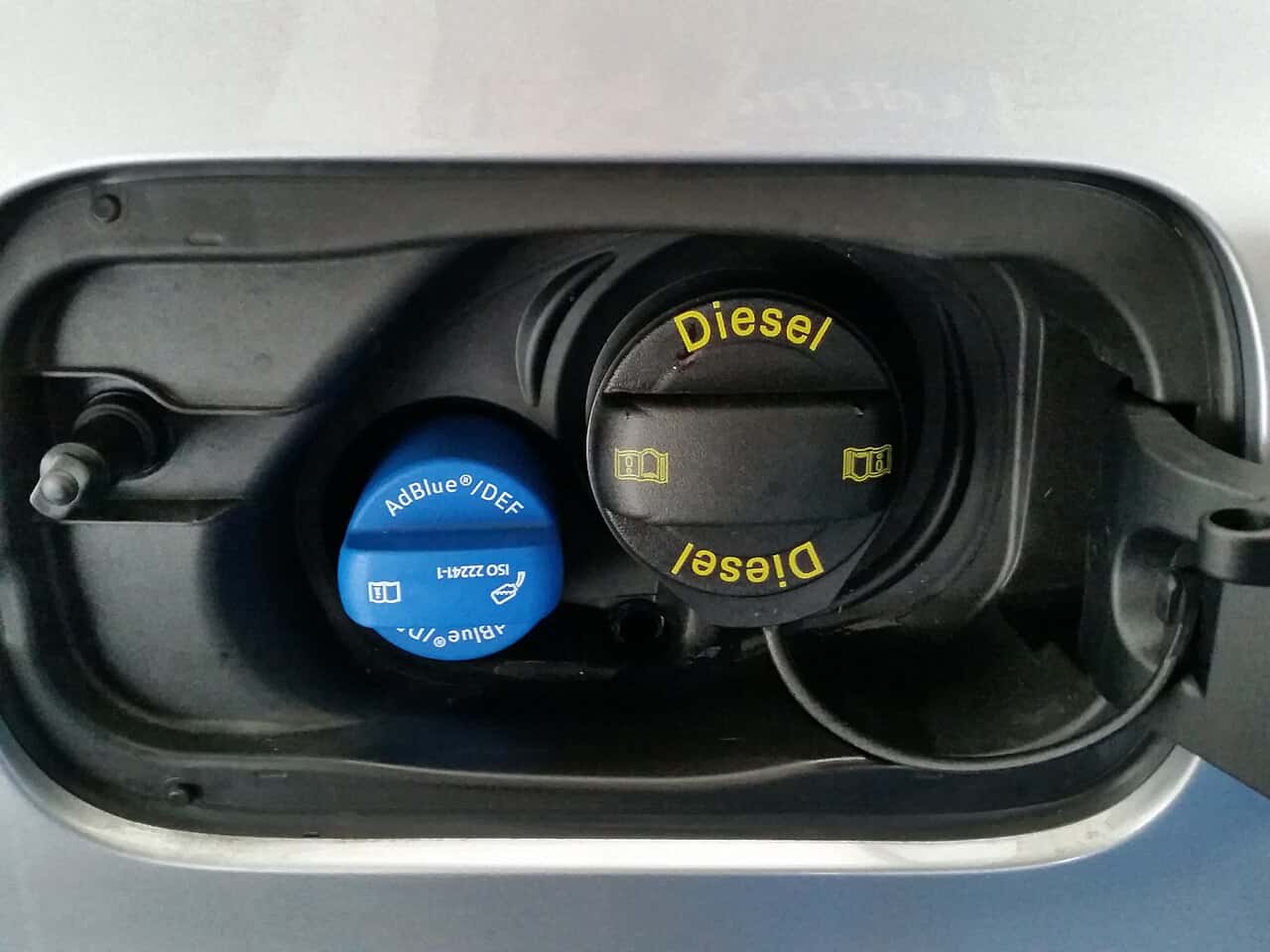

DEF works in the exhaust system
Diesel exhaust fluid, or DEF, is used by selective catalytic reduction systems to reduce nitrogen-oxide emissions. It is injected into the exhaust stream, rather than used as a diesel-fuel additive. The American Petroleum Institute’s explanation describes automotive DEF as a 32.5% solution of technically pure urea in purified water.
The mixture’s purity matters. API’s voluntary certification program monitors fluids against the applicable ISO 22241 requirements. Certification identifies a qualifying product; subsequent storage and handling still matter.
Separate low level from a detected fault
As a specific example, the 2024 U.S./Canadian Ford Super Duty diesel manual distinguishes low-DEF and system-fault messages. Depending on the message, it describes a countdown, speed limiting upon restart or idle-only operation. These are model-specific instructions.
| Message category | What it means for the next decision |
|---|---|
| Low DEF level or remaining range | Follow the applicable refill instructions. |
| DEF-system fault | The manual calls for the vehicle to be checked; a refill alone is not proof of a repair. |
| A restriction upon restart or idle-only warning | Use that vehicle’s stated restriction and recovery instructions, rather than guessing what another start will permit. |
Keep the full message, remaining distance and whether the restriction is already active together. A recollection that “the DEF light came on” loses the distinction between a fluid-level concern and a detected system fault. Clearing a display is not evidence that the underlying condition was corrected.
Fluid quality includes how it was handled
API’s consumer guidance recommends checking the certification mark, expiration date and storage directions on packaged DEF. For pump purchases, retain the manufacturer and brand information on the receipt. These details help identify the fluid actually added, rather than assuming every container or dispenser holds an equivalent product.
Storage is part of that history. API warns that heat and direct sunlight can accelerate degradation and that contamination can damage aftertreatment components. An old container of uncertain origin is not explained by its label alone. Keep it separate from a diagnosis of the vehicle’s sensors, dispensing hardware or controls.
Cold weather does not make every warning a fault
The 2024 Super Duty diesel manual describes a heater for cold-weather operation and notes that frozen DEF can delay recognition of a refill. Use that model’s applicable instructions rather than assuming the refill has already been recognized.
If DEF has entered the diesel-fuel tank, Ford warns not to start the engine. Obtain professional help.
A completed repair should explain which problem was found
The useful result is a record identifying whether the concern involved level, fluid condition or a system fault, what finding supported it, and what work addressed it. Keep a refill separate from a repair, and a later cleared warning separate from evidence of what caused it. This gives the next diagnosis a starting point if the message returns.
0 comment(s) so far on DEF Warnings: Low Fluid, System Faults and Restrictions