

AWD System Warning Light: Messages, Tires and Next Steps
Understanding AWD
An AWD warning can signal a temporary loss of all-wheel drive, an overheated system or a fault that needs repair. The exact dashboard message is the place to start: it tells you more than the AWD symbol alone.
Updated October 15, 2026
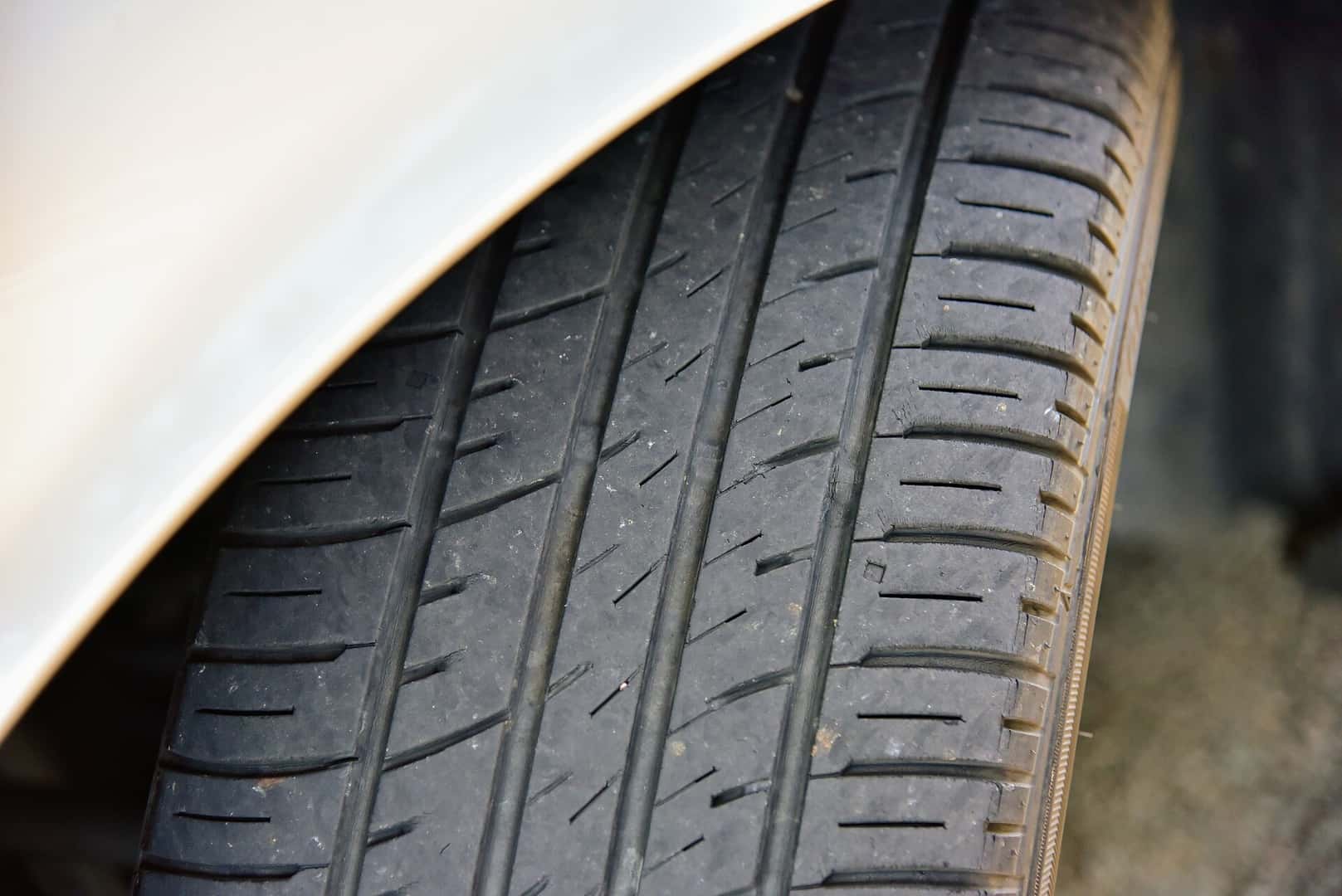

A recent tire change may be relevant. So may a temporary spare or a warning that appeared after difficult traction conditions. Record what happened and photograph the message once parked. Those details help distinguish a protective shutdown from a recurring problem without guessing which part failed.
Three messages, three different starting points
The 2026 Ford Explorer manual gives a useful example of how much the wording matters. It describes several reasons AWD may be unavailable, rather than treating every warning as the same fault.
| Message | What Ford describes |
|---|---|
| AWD Temporarily Disabled | The system has switched off to protect itself from overheating. |
| AWD Off | A protective shutdown can involve a temporary spare, dissimilar tire sizes or an issue with another vehicle system. |
| AWD Fault Service Required | The system is not working properly. A warning that stays on or returns calls for prompt service. |
A blinking light can carry a different meaning from a steady one, too. In the 2021 Honda HR-V manual, page 98, a steady AWD indicator and a blinking overheating indication have separate explanations. The manual describes front-wheel-only operation in those states.
That is why the manual for the actual model year and drivetrain matters. Do not assume that every vehicle falls back to the same driven wheels, or that another model’s cooling or restart instructions apply. A vehicle that still moves may have less traction assistance than the driver expects.
Why tires belong in the conversation
If the warning followed tire work, gather the replacement invoice and note whether one tire, a pair or the full set was changed. Tell the shop if a temporary spare is fitted. The sequence is useful even when the tires ultimately prove unrelated.
Ford’s Explorer guidance explains that substantial tire-size differences can disable AWD or damage driveline components. It also discusses mixing worn and new tires for that vehicle. The requirements must come from the applicable manual, rather than a universal tread-depth allowance found online.
Ask the tire professional to compare the fitted tires with the manufacturer’s specifications for size, compatibility and wear. Some vehicles deliberately use different front and rear sizes. A warning alone cannot establish that every tire should be replaced, or that replacing only one is acceptable.
Pressure is a separate check. NHTSA’s tire guidance directs owners to the vehicle’s manual or tire-information label for the recommended pressure. Check it when the tires are cold; the maximum printed on a sidewall is not the vehicle’s recommendation. Correct pressure does not, by itself, settle whether the tires meet the AWD system’s other requirements.
Give the technician a pattern to work with
Record any ABS, traction-control, tire-pressure or powertrain warning that appeared at the same time. Include recent battery trouble, wheel repairs or a difficult traction event. Note whether the AWD warning appeared immediately at startup or later in the drive, and whether it disappeared or returned.
Keep that history instead of repeatedly clearing codes or disconnecting the battery to dismiss the light. An intermittent message is still useful information. A repair explanation should connect the warning to a test result: which system was checked, what was found and why the proposed work addresses it.
When to stop
Follow a dashboard instruction to stop as soon as it is safe. Binding, severe vibration, smoke, unusual heat or impaired steering or braking are reasons to stop safely and arrange assistance, rather than continue a diagnostic drive.
For a warning without those symptoms, use the vehicle’s own instructions and ask the repair shop how it should reach them if you are unsure. The message, tire history and conditions surrounding the warning give that conversation a useful starting point.
0 comment(s) so far on AWD System Warning Light: Messages, Tires and Next Steps