

Alternator Noise: Whine, Bearing Sound, Or Belt Problem?
Charging and belt-drive noise
A whine from the alternator area is a location, not a diagnosis. The useful distinction is between a noise in the belt drive, a fault inside the alternator and a charging problem elsewhere in the circuit. Those questions overlap, but one test result does not answer all three.
Updated October 16, 2026
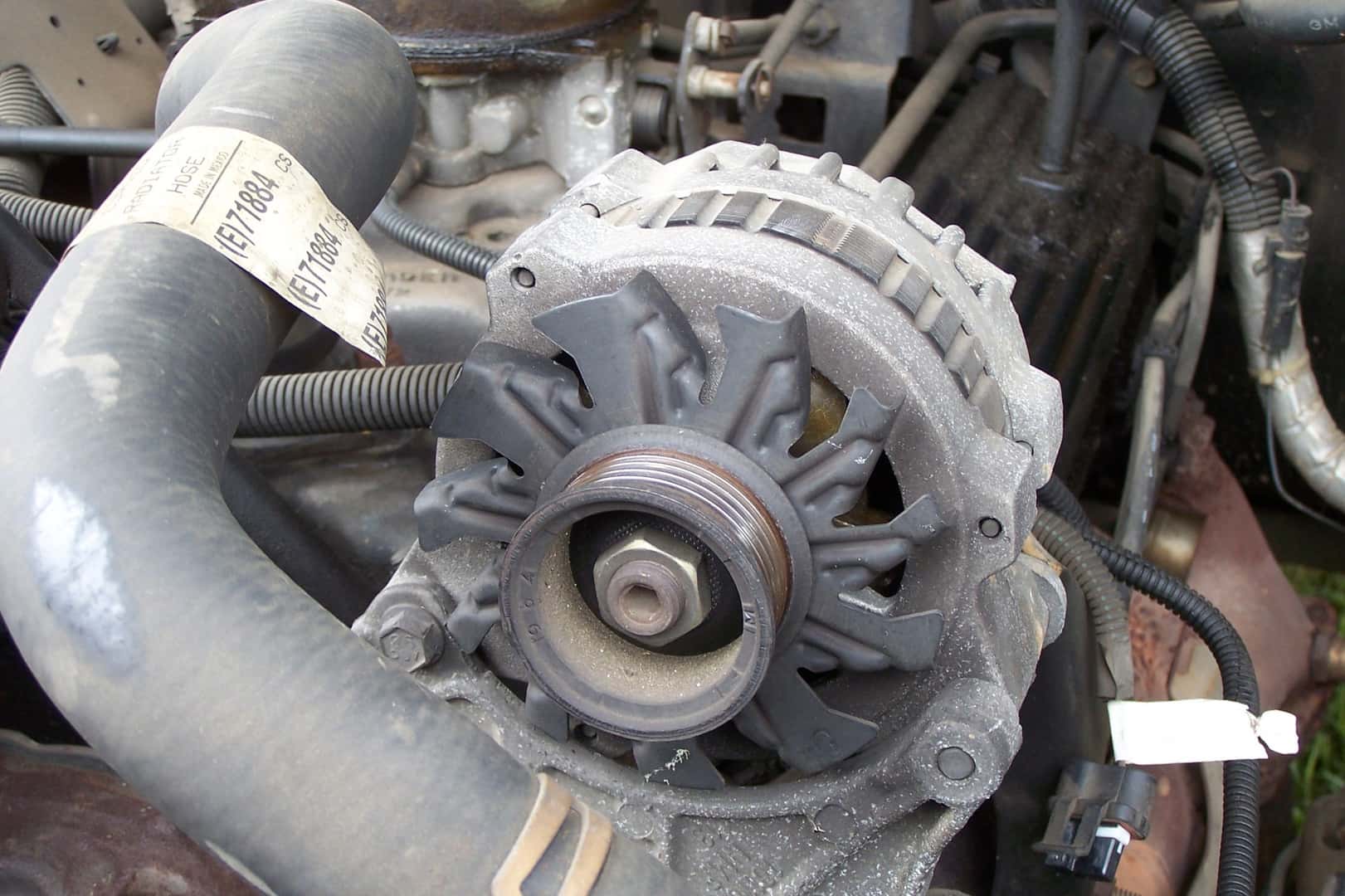

A charging problem and a noise are separate findings
The alternator supplies electrical power while the engine drives it through the accessory belt. The battery can supply additional power when electrical demand exceeds the alternator’s output. That relationship helps explain why a vehicle can still start or operate with an unresolved charging concern; it does not establish how long it will continue to do so.
DENSO’s alternator troubleshooting explanation separates the battery, drive belt, electrical connections and alternator itself. A discharged battery is not automatically proof of a failed alternator. Equally, a battery that passed a test does not identify the source of a whine.
The belt drive deserves its own assessment
Belt condition, alignment and tension affect how power reaches the alternator. DENSO explains that insufficient tension can allow slip and irregular charging, while excessive tension can damage internal bearings. “Tighten the belt” is therefore a repair decision requiring the correct specification, not a universal response to squealing.
The pulley also needs to match the application. Gates describes overrunning alternator pulleys that allow the alternator to overrun during engine deceleration and isolate vibration in the accessory drive. Its decoupler and one-way-clutch designs are not interchangeable. This component explanation does not establish which pulley is fitted to a particular vehicle.
For a repair recommendation, ask whether the noise was isolated to the alternator, its pulley or another part of the installed drive. A description such as “noisy alternator area” should not quietly become a confirmed failed bearing on the estimate.
What the electrical test should establish
DENSO’s U.S. charging-system diagnostic guidance includes battery condition, belt alignment and tension, connections, voltage drop and alternator output. It also directs the technician to use the vehicle’s service specifications. A voltage reading without its operating conditions and applicable specification is incomplete evidence.
Voltage drop concerns resistance in the circuit: a cable or connection can prevent the system from performing properly even when the alternator is not the original fault. That is a different finding from a mechanically noisy bearing. Ask which result supports each proposed part, especially if an alternator and battery are both recommended.
Do not disconnect a battery with the engine running or approach moving belts to try to settle the question. These are workshop checks. If a charging warning, smoke, burning smell or unpredictable operation accompanies the noise, follow the vehicle’s warning instructions and arrange appropriate assistance.
Describe the change you actually noticed
| Observation | Detail to retain |
|---|---|
| When it happens | First start, warm idle, ordinary acceleration or shutdown |
| Sound and location | Whine, squeal or rough sound; where it seemed strongest |
| Electrical behavior | Exact warning, starting difficulty or change already noticed with normal accessory use |
| Recent work | Battery, alternator, belt or pulley invoice and when the sound began |
A useful completed repair record connects the original complaint to the finding: what made the noise, which charging checks were performed and what changed after the repair. If the noise was not reproduced, that uncertainty belongs in the record. Replacing a part and identifying the cause are different achievements.
0 comment(s) so far on Alternator Noise: Whine, Bearing Sound, Or Belt Problem?