

Serpentine Belt Symptoms: Squeal, Battery Light, And Overheating
Ownership and maintenance
A squeal near the engine, a charging warning and rising temperature can be connected through the accessory-belt drive. They can also have separate causes. The useful first step is to identify the warning and the vehicle’s actual accessory layout, rather than order a belt from the sound alone.
Updated October 16, 2026
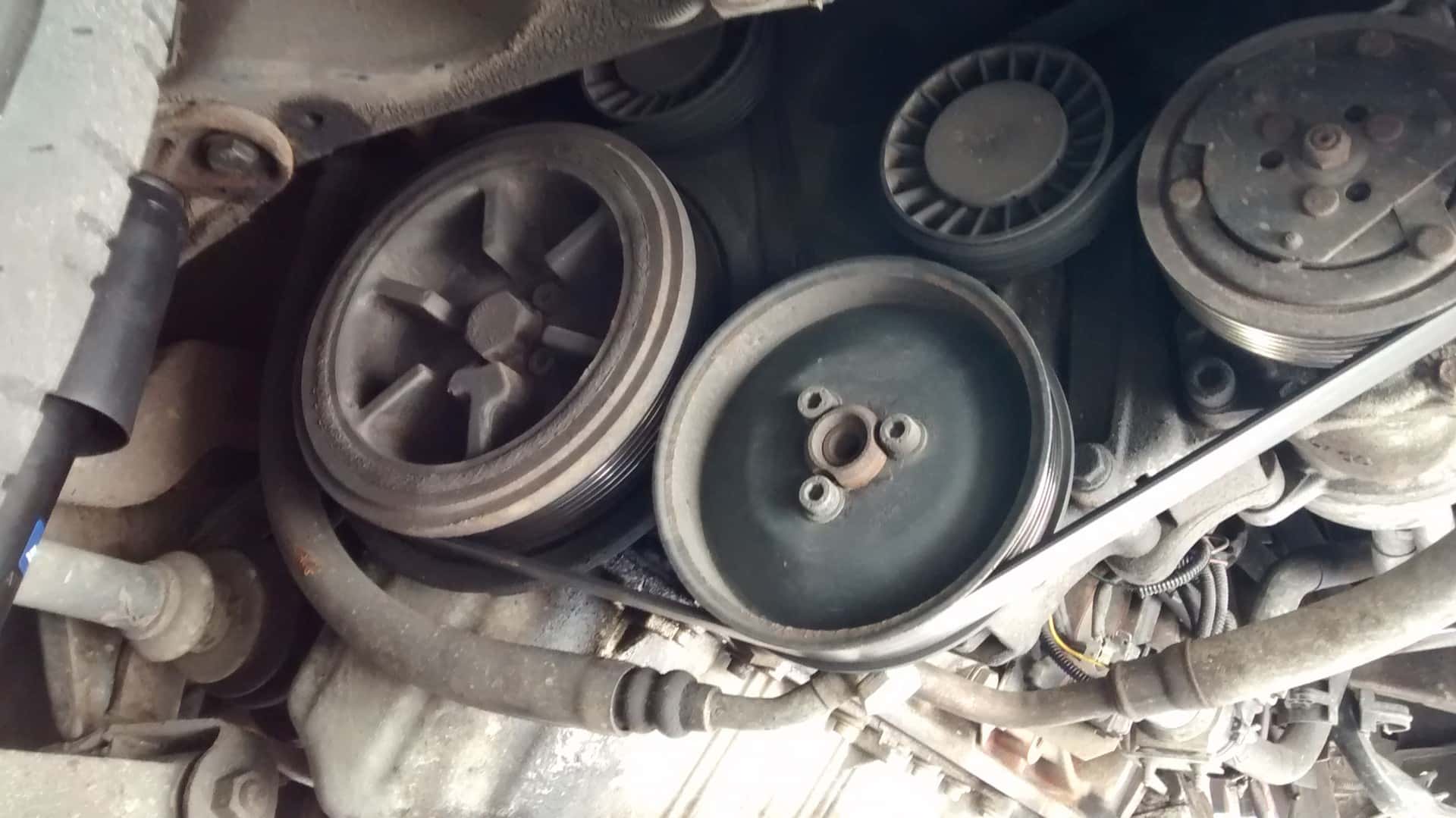

What the belt drives depends on the vehicle
A serpentine belt can drive the alternator, air-conditioning compressor and other accessories. On some engines it also drives the water pump or a hydraulic power-steering pump. Other vehicles use electric pumps or electric steering, and some have more than one accessory belt. Check the exact engine and service information before assigning every symptom to one belt.
The accessory belt is also different from a timing belt. Replacing one does not mean the other has been inspected or serviced. Use the manufacturer’s schedule for the particular engine rather than a universal mileage rule.
Separate the warning from the suspected cause
| Observation | What needs checking |
|---|---|
| Squeal or repeated chirp | Belt condition, alignment, tension and accessory or pulley condition; the sound alone does not identify a failed part. |
| Charging warning | The charging system and its drive, where belt-driven. A battery-shaped warning is not proof the battery needs replacement. |
| Temperature warning, steam or sudden loss of steering assistance | Stop safely and follow the vehicle’s warning instructions. Do not keep driving to see whether a suspected belt problem clears. |
| Noise returns after a new belt | Whether the original cause, correct belt specification, contamination and related drive components were addressed. |
Gates’ accessory-drive guidance connects loss of tension and misalignment with noise and reduced accessory performance. That makes the drive system worth inspecting together; it does not establish that every belt, tensioner and pulley needs replacement.
No visible cracks does not mean no wear
Gates’ belt-inspection bulletin explains that EPDM belts can lose rib material without the cracking associated with older belt compounds. Appropriate rib-wear assessment is more useful than declaring the belt healthy from a quick glance at its smooth back.
A technician can inspect the belt’s fit and rib condition, alignment, tensioner operation, pulley bearings and the driven accessories using the specified procedure. Oil or coolant contamination also needs an explanation; a replacement belt does not repair the leak that affected the previous one.
Dayco specifically advises against belt dressing as a remedy. Do not spray chemicals onto a running drive or put hands, clothing or tools near moving belts and fans. An owner-level look is limited to what the manual permits with the engine safely shut down; energized components may have additional precautions.
Bring the pattern, ask for the finding
Record whether the sound occurs at a cold start, in wet weather, with air conditioning or after recent repair. Note the exact dashboard message and whether the symptom changes with normal accessory use. There is no need to recreate it by reaching under the hood while the engine runs.
A useful repair explanation names the observed defect and the reason for each recommended component. If the charging warning was part of the complaint, ask whether charging performance was checked after repair. If overheating occurred, the cooling system needs appropriate assessment too; restoring belt movement alone does not establish that the engine escaped damage.
0 comment(s) so far on Serpentine Belt Symptoms: Squeal, Battery Light, And Overheating