

Grinding Noise While Driving: Brakes, Bearings, Or Tires?
Ownership explained
A grinding noise while driving calls for prompt attention, but its timing can be more useful than its volume. Braking, turning and changes in power give different clues. Understanding those patterns helps you describe the problem and assess an inspection without guessing which part to replace.
Updated October 15, 2026
-0280.jpg)
If the noise comes with reduced braking, a changed brake pedal, strong pulling, wheel wobble, smoke or difficulty controlling the car, stop somewhere safe and arrange assistance. Otherwise, contact a qualified repair shop promptly and describe what happened. The volume of a noise cannot tell you how much safe driving remains.
Start with when the sound happens
Think back to the driving you were already doing when the noise appeared. Was your foot on the brake? Were you rounding a bend, coasting or applying power? Those details give an inspection a starting point. There is no need to repeat the trip or perform special maneuvers to collect them.
| The pattern you noticed | What to describe at the inspection |
|---|---|
| Grinding when braking | Whether it happens with every brake application and whether pedal feel or stopping behavior changed. |
| Noise through a turn | The direction of the turn, the kind of sound and any vibration you noticed. |
| Noise while coasting | Whether the rhythm seemed to follow road speed and whether the road surface affected it. |
| A clunk between acceleration and coasting | Whether it was one distinct knock as the load changed or a continuous grinding sound. |
A description such as “a metallic scrape whenever I pressed the brake” is more useful than “the front end sounds bad.” Include where the sound seemed to come from, while leaving the failed part for the inspection to establish.
Grinding under braking deserves a close look
In its Tourneo Custom/Transit Custom owner’s manual, Ford distinguishes occasional brake noise from continuous grinding or metal-to-metal noise. The latter can indicate worn brake lining and calls for prompt assessment. It is a manufacturer example of why a persistent grind should be investigated, rather than treated like every other brake sound.
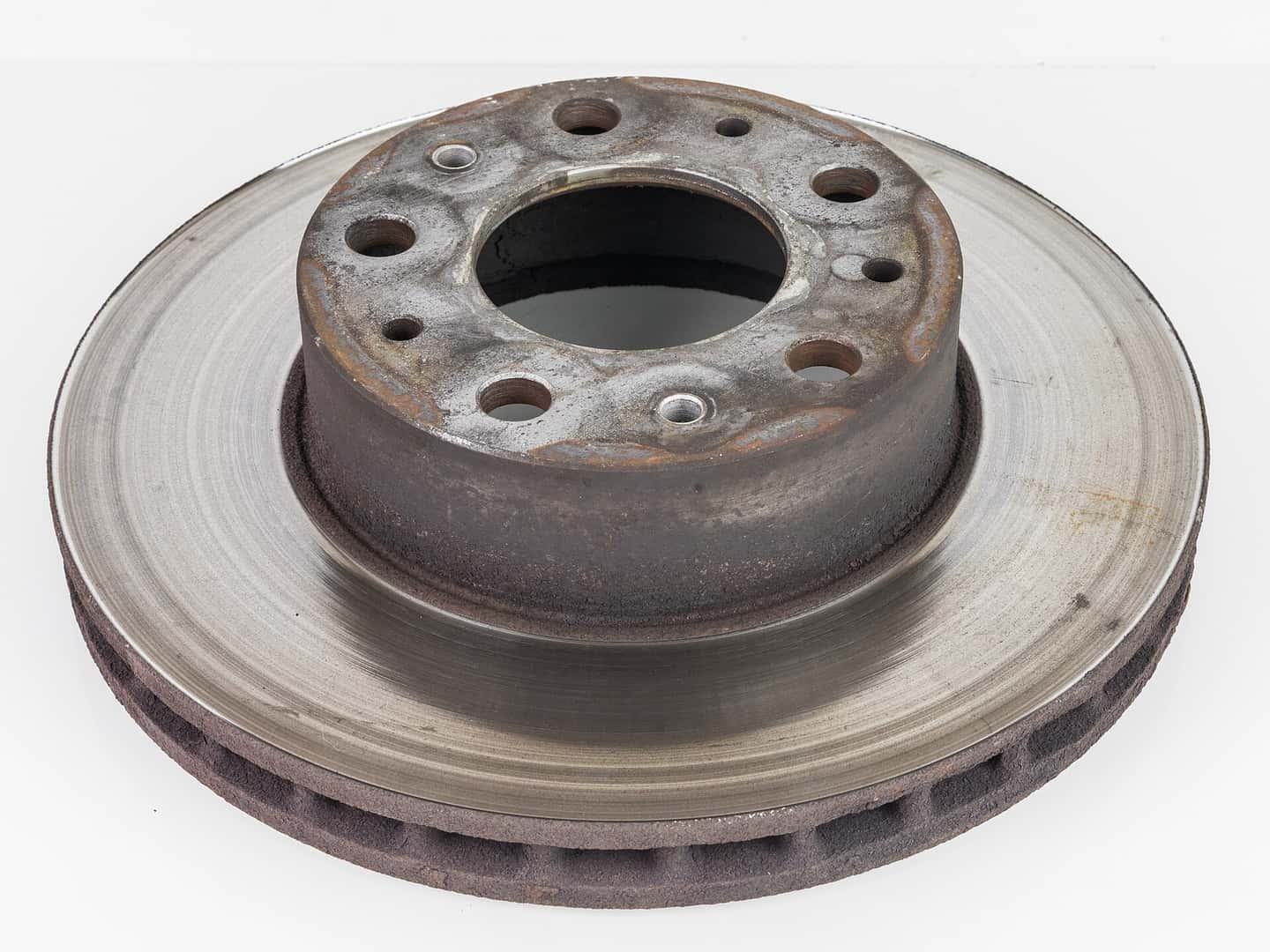
Ask the shop to explain the condition of the pads and rotors and any relevant hardware problems, uneven wear or dragging brake it finds. Measurements, photographs and an explanation of the cause make a repair recommendation easier to assess. Replacing pads alone may leave another problem unresolved.
A turn-related growl is a different clue
Bearing manufacturer Timken’s wheel-hub symptom guide identifies grinding during turning or a shift in load as a possible sign of mechanical damage at the wheel end. It also notes that humming, rumbling and growling can have tire, electrical or drivetrain sources. The words describe overlapping complaints, not interchangeable diagnoses.
A single clunk as the car changes from acceleration to coasting deserves its own description. Timken associates that pattern with possibilities including play in joints or the differential, rather than treating it as a typical bearing complaint. Explain the transition you noticed instead of reporting every unfamiliar sound as grinding.
Turning direction alone is not enough to select a replacement bearing. Tell the technician what you heard and felt, then ask which inspection findings identify the component involved.
Tires belong in the inspection too
A noise accompanied by vibration or a change in ride quality also warrants attention to the tires. NHTSA advises consulting a tire professional about performance changes such as noise or vibration. Mention recent tire work, a pothole impact or the use of a spare, and point out visible damage once the vehicle is safely parked.
Keep those observations separate from a diagnosis. The fact that a sound resembles a bearing complaint does not make the tires irrelevant, just as a tire’s visible wear does not explain every noise from that corner.
A small stone can make a large sound
Debris is a real possibility in some cases. An Audi bulletin covering specified 2011–2012 A8 vehicles documents a stone trapped between a rear brake disc and its splash shield, producing a loud low-speed scrape or grind. Its model and VIN limits matter: the bulletin illustrates a confirmed cause on those vehicles, not a diagnosis for every car that makes a similar sound.
Leave checks behind the wheel and around hot brakes to a technician. Bending a shield or reaching for an unseen object can turn an uncertain complaint into another problem.
Bring a clear account to the appointment
Once parked, note the speed range you recall, braking or acceleration, road conditions, warning messages and recent repairs. A short sequence of events is more useful than a long list of possible parts. Avoid repeated hard stops, weaving tests or handling a phone while driving to record the sound.
When the shop reports back, ask what it confirmed, what still needs checking and whether the proposed work addresses the source of the noise. If the vehicle needs to be transported, arrange that before the visit. Keep the findings with the estimate so you can distinguish a documented repair from a possibility still under investigation.
0 comment(s) so far on Grinding Noise While Driving: Brakes, Bearings, Or Tires?