

Defroster Not Working? Airflow, Heat and Fog
Visibility and climate control
Updated October 16, 2026
A windshield that will not clear is a visibility problem, but “the defroster is broken” does not yet identify the cause. First separate fog inside the glass, fog or ice outside it, and a rear window that will not heat. Those conditions involve different controls and components. Clear the view through all windows before driving; a small cleared patch is not a useful test of the system.
Start with the glass, not a replacement part
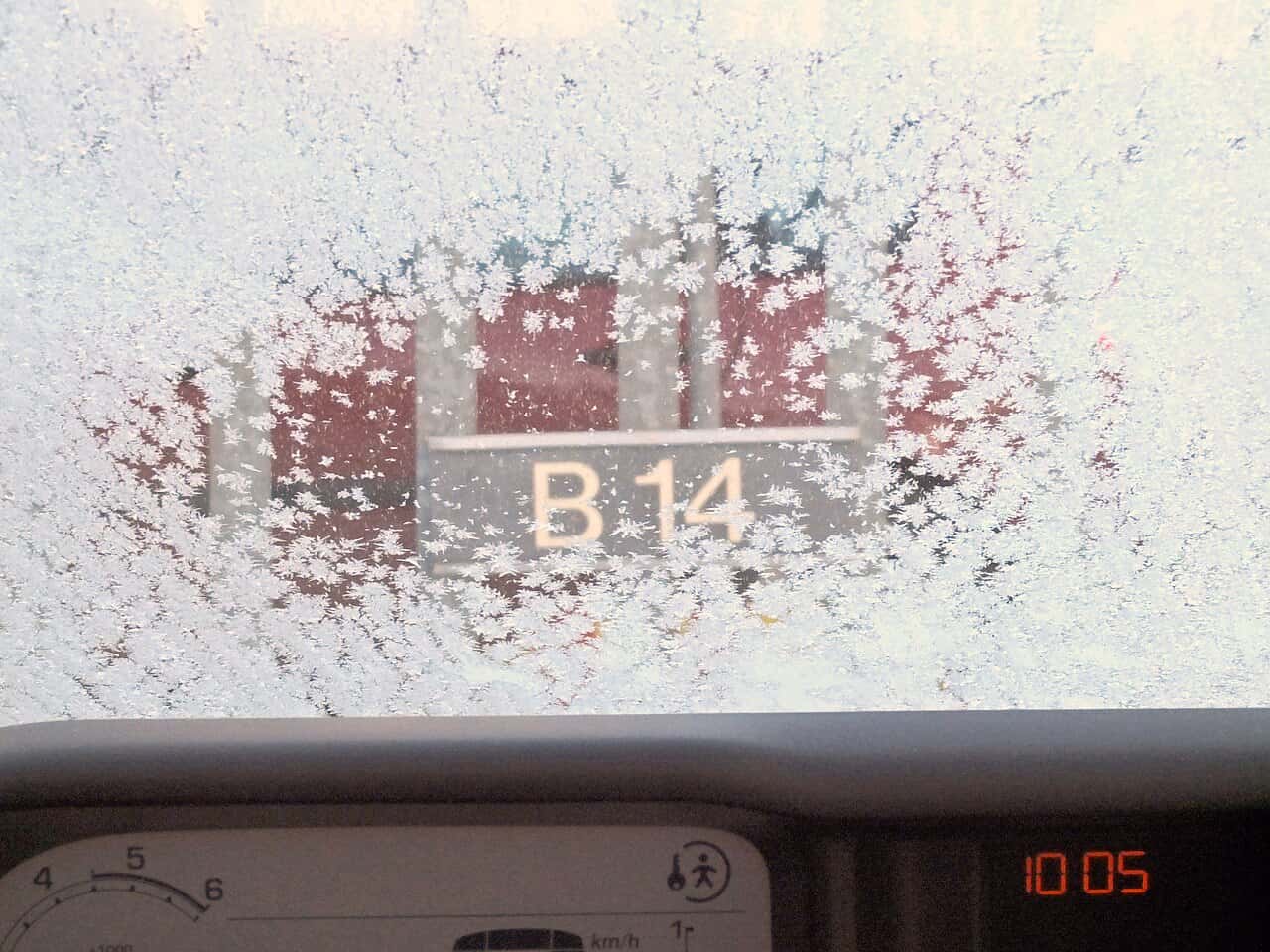
Look at which surface is obscured while the vehicle is parked. Interior fog and exterior frost are different jobs, and even exterior fog can occur without ice. The 2021 gasoline Honda CR-V manual specifically warns that cold air hitting the windshield can fog its outside surface. Increasing cooling is therefore not a universal answer to cloudy glass.
| What is obscured? | Which system matters? |
|---|---|
| Inside of the windshield or side windows | Cabin airflow, moisture management and the model’s defog settings |
| Outside of the windshield | Exterior fog or ice, glass temperature and the model’s clearing instructions |
| Heated rear glass | The rear-window heater and its controls, separately from the front air outlets |

The front defrost button changes more than fan speed
On that CR-V, selecting windshield defrost automatically switches on air conditioning and fresh-air mode. Its instructions also say not to set the temperature near either extreme. Honda provides a separate rapid-defrost sequence involving temporary recirculation, then directs the driver back to fresh air after clearing because continued recirculation can fog the windows.
The 2025 Ford F-150 manual describes a different maximum-defrost arrangement: windshield airflow at the highest blower speed, recirculation unavailable, and the heated rear window switched on too. Ford says the A/C compressor may continue operating in maximum defrost even after air conditioning is switched off.
These are model-specific examples, not interchangeable button sequences. Check the manual for the actual climate-control equipment. An A/C indicator or an unavailable recirculation setting can reflect the selected clearing mode rather than identify a failed control.
Air reaching the windshield and air getting warm are separate jobs
In a conventional engine-coolant heating system, hot coolant passes through a small cabin heat exchanger, often called the heater core. The blower moves air past it, while air doors control temperature mixing and distribution. MAHLE’s component explanation makes that distinction useful: heat in the coolant does not establish that enough air is reaching the glass. This is not a description of every electric-vehicle heating system.
With the vehicle parked, compare the selected outlets and fan settings. Does airflow increase when requested? Does air reach the windshield, or mainly the dashboard vents? Is that air warming? A changing fan sound with little air at the glass describes a different problem from strong airflow that stays cold.
HELLA’s workshop diagnostic guide separates engine warm-up and heater-core flow from flap positions, blower operation, cabin-filter restriction and duct airflow. Those are findings to establish, rather than a list of parts to replace together. Coolant-side checks do not mean opening a hot reservoir: Ford’s 2024 Super Duty manual warns that the pressurized system can release steam and hot liquid.
A rear-window heater is a separate check
The F-150 manual identifies an electrically heated rear-window grid and a timed shutoff. Its operation is separate from warm air delivered to the front windshield, even though maximum defrost can activate both. Ford also warns against razor blades, sharp tools and harsh chemicals on the inside of heated rear glass because they can damage the grid lines.
For a repeat concern, the useful description is specific: which glass and surface, the selected mode, whether fan response and outlet direction changed, and whether the problem occurred at startup or after the cabin warmed. Keep those observations separate from a claim that a particular motor, heater core or control unit has failed.
0 comment(s) so far on Defroster Not Working? Airflow, Heat and Fog