

Car Pulls to One Side: Tires, Alignment and Braking Clues
Steering and tires
Updated October 16, 2026
A car that starts pulling left or right needs more than an alignment guess. Tires, wheel angles and brake or chassis problems can produce overlapping complaints. The useful starting point is the change you already noticed: when it began, whether braking affected it and what happened immediately beforehand.
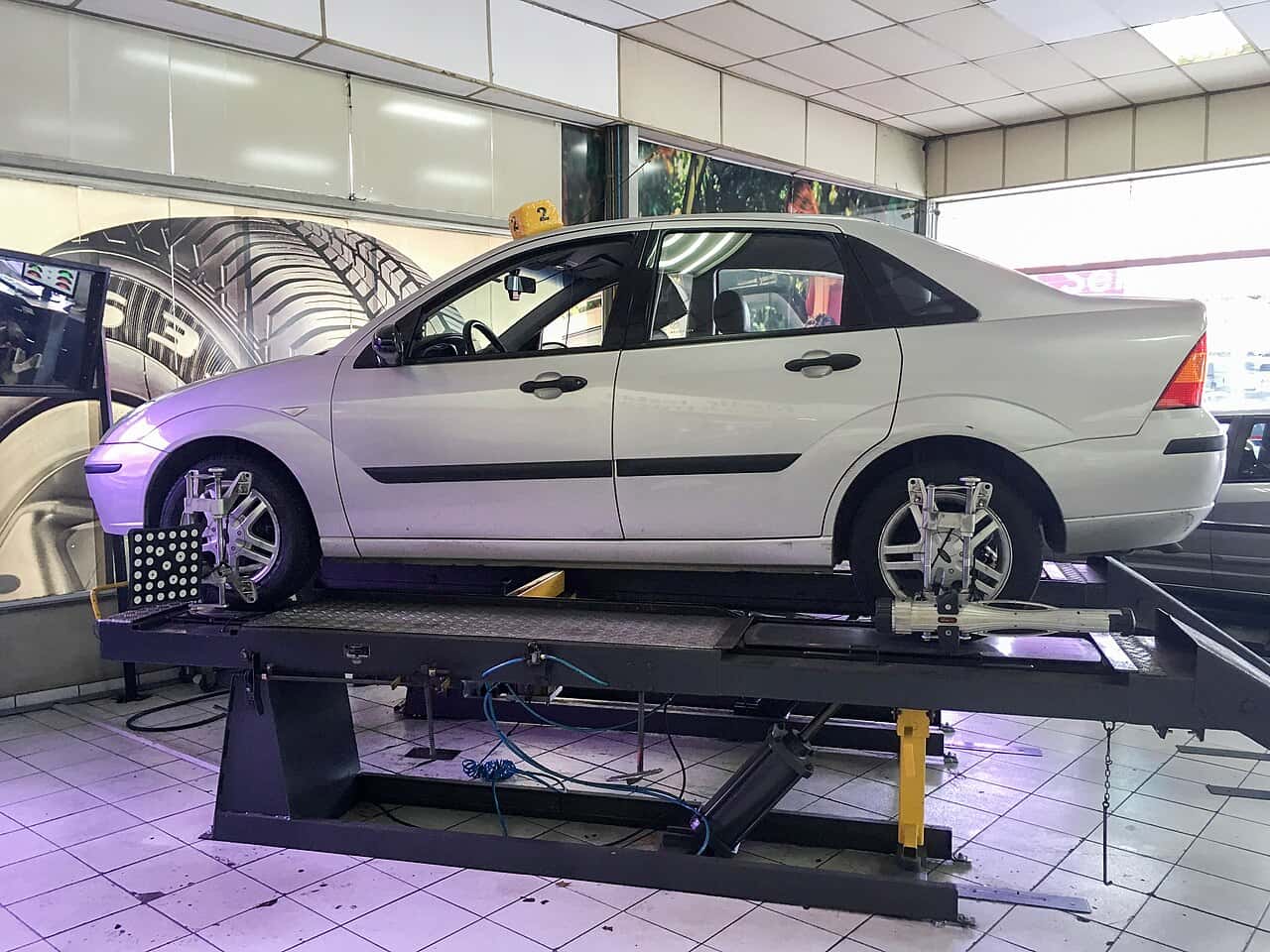

Describe the change without trying to reproduce it
Think back to ordinary driving rather than arranging another test. Was the steering wheel off-center, was the car changing direction, or was the main complaint a vibration? Those descriptions tell a technician different things. Note whether the concern followed a pothole, curb strike, tire replacement or recent repair, and whether a warning light appeared.
Keep both hands on the wheel; do not release it to see where the car goes or make deliberate acceleration or braking tests. If the change is sudden, strong or makes steering or braking unpredictable, stop as safely as conditions allow and arrange assistance rather than driving farther to collect evidence.
| Already noticed | Useful detail to record | Question for the inspection |
|---|---|---|
| Pull during ordinary travel | Direction and whether the steering wheel was off-center | What do pressure, tire condition and alignment measurements show? |
| Direction changes with braking | Any accompanying pedal change, vibration or warning | What brake and chassis findings explain it? |
| Change after an impact | Which wheel area struck the obstacle | Were the tire and chassis checked as well as wheel angles? |
| Change after tire work | Invoice, tire positions and what was replaced | Does the fitted equipment match the vehicle requirements? |
Compare tire pressure with the vehicle specification
Pressure belongs near the beginning of the inspection, not at the end of a parts estimate. Michelin identifies incorrect inflation, uneven tread and impact damage among the tire-related reasons handling can change. A curb or pothole impact can affect a tire and alignment at the same time, so finding one problem does not automatically exclude the other.
The 2021 gasoline Honda CR-V manual, for example, directs owners to the driver’s doorjamb label or specifications for the correct pressure. Its label distinguishes front, rear and spare requirements. Use the values specified for your vehicle and its cold-pressure instructions, not a blanket equal-pressure rule or the maximum pressure molded into a tire’s sidewall.
A pressure reading is only one finding. Visible damage, a bulge or unusual wear still needs assessment. Michelin’s handling guidance supports checking the tire itself when the way a car steers changes; it does not make pressure correction proof that every concern is resolved.
Alignment and balancing answer different questions
Alignment concerns wheel angles relative to the vehicle manufacturer’s specifications. Balancing concerns uneven mass distribution in a rotating tire-and-wheel assembly. Michelin explains the distinction: a vehicle can have acceptable alignment and still experience imbalance, or balanced wheels and incorrect alignment.
That makes the wording of an estimate matter. If alignment is recommended, ask which measured angles are outside the applicable specifications and whether damaged or worn parts affect the adjustment. If balancing is recommended, ask how it relates to the reported vibration. A pull and a vibration can coexist; neither word should be substituted for the other.
A braking-related pull needs more than a side-of-the-car guess
Tell the technician if the direction change was associated with braking. Do not use the direction alone to select a caliper or decide which wheel needs parts. HELLA’s workshop inspection guidance covers brake-caliper movement and sealing, hoses, wheel bearings and chassis joints. Its scope illustrates why a brake complaint can require inspection beyond the friction parts.
Ask the repair recommendation to connect the complaint with an actual finding: damage, restricted movement, leakage, play or a measurement outside the vehicle’s requirements. Keep the initial observations, invoice and inspection results together. That record is more useful for a follow-up than an unsupported diagnosis written as “needs an alignment.”
0 comment(s) so far on Car Pulls to One Side: Tires, Alignment and Braking Clues